
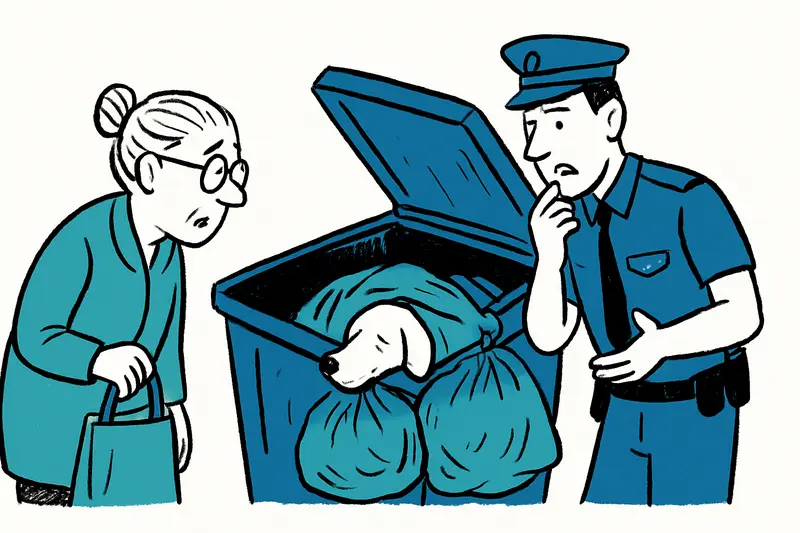
Inca: Severely injured female dog found in garbage bags in a container – who has seen anything?
In Inca, a severely injured female dog was discovered wrapped in two garbage bags inside a container on Avenida Rei Jaume II. The animal welfare group Rescuing Pets has filed a report and is asking residents and businesses for footage and information.
Inca: Severely injured female dog found in garbage bags in a container – who has seen anything?
Central question: Was this deliberate animal cruelty or a terrible mistake?
Late in the morning on Avenida Rei Jaume II, where the pavements are rough and the murmur of markets and cafés sometimes carries to the container area, helpers discovered a living but severely injured female dog – wrapped in two garbage bags and inside a rubbish container. The local animal welfare group Rescuing Pets has filed a criminal complaint with the Guardia Civil and is calling on witnesses to come forward.
The facts are sparse but troubling: location Inca, a trash container on the named avenue, the animal in two bags, Rescuing Pets informed the authorities and personally contacted the Guardia Civil on Saturday midday. The account @rescuing.pets on Instagram is given as a contact point. Nothing more is publicly available so far.
Critical analysis: Gaps that stand out
First: Who had access to the container area at the relevant time? Residents, delivery personnel, refuse collection vehicles and passers-by are all possibilities. Second: Why was such a severely injured dog not reported more quickly – or disposed of elsewhere? The circumstances of the discovery leave questions that the Guardia Civil's investigation must clarify: Was the disposal intentional, done in panic, or out of desperation?
Third: The role of surveillance technology. Rescuing Pets explicitly asks residents and businesses to check camera footage. That is correct and urgent – in many cases these recordings provide the decisive clues. Public discussion often overlooks how quickly digital traces disappear and how important it is to secure recordings promptly.
What is missing in the discourse
People are quick to speak of guilt or malice, but rarely about systemic weaknesses: lack of routine for reporting injured animals, uncertainty among first responders, unclear procedures for disposal and cleaning crews who handle containers every day. Equally absent is discussion of how municipalities, neighborhoods and animal welfare organizations could be better networked so that help does not arrive hours later.
A street scene from everyday life in Inca
Imagine the street: a warm September breeze blows lint and paper scraps across the square, a delivery van honks softly, an older woman with a shopping bag stops and curiously looks at the container. Chestnut leaves rustle, a boy tosses his candy wrappers nearby – small, mundane movements that together can form a picture. It is precisely in such moments that clues emerge: a car that was parked, a delivery time, a brief conversation.
Concrete solutions
- Residents and business owners should immediately secure their camera recordings and check the relevant time windows; hand footage only to the authorities and the association. - Refuse collection and cleaning teams should be trained to report visible injuries on animals and to document photos/location immediately. - Municipalities could establish clear reporting channels: a central phone number for live found animals, plus short online forms for residents' tips. - Animal welfare organizations and the Guardia Civil should agree on fixed cooperation procedures: quick handovers, standardized reports and protection measures for found animals. - Public outreach: posters or digital notices in the area that address witnesses specifically (date, time, vehicle description) often help more than general appeals.
Conclusion
The dog in Inca is a symptom. It shows how quickly life can be destroyed or harmed – and how dependent we are on functioning neighborhood procedures when help is needed. Anyone who saw anything should not hesitate: secure recordings, note times and license plates, and report tips to Rescuing Pets (@rescuing.pets) or directly to the Guardia Civil. Only concrete traces will shed light on cases like this – and help protect further animals.
Frequently asked questions
What is the best time of year to visit Mallorca for pleasant weather and lighter crowds?
Is swimming in Mallorca safe for beginners, and what should I know about sea conditions?
What should I pack for a Mallorca trip to cover both beaches and countryside?
What are must-do activities in Mallorca for food and outdoors?
How can I get around Mallorca without a car?
Are there family-friendly beaches in Mallorca?
What should I know about Mallorca's weather patterns when planning outdoor days?
Are there local markets or cultural events worth planning around in Mallorca?
Similar News

Illetas: Police Officer and Two Lifeguards Rescue Two Female Tourists from the Sea
Late on Friday afternoon emergency responders entered the water off the coast of Illetas: a local police officer and two...

Pre-Nit de l’Art in Palma: Champagne, Spray Can and Studio Flash in the Old Town
Red carpets, a photographers' stand and live performance: the Pre‑Nit de l’Art filled Galerie Mensing with around 400 gu...
Failed before the first flight: How Fischer Air's plans for Palma were ground down
Announced routes, repeated postponements and now apparent insolvency: Why the Fischer Air project for Mallorca is not me...
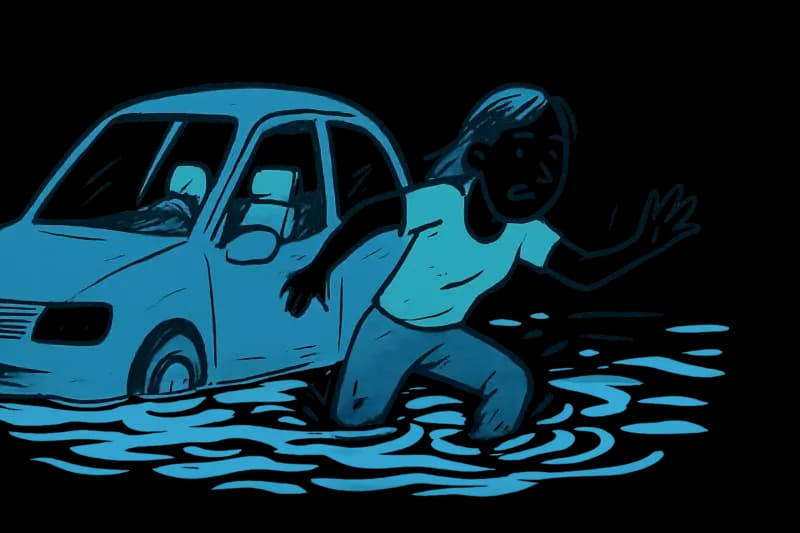
Seconds in the Water: 19-year-old Fights Her Way Out of Flooded Car in Palma
A 19-year-old managed to rescue herself from her half-submerged car after sliding under the Verge de Lluc underpass. Res...

Between Dream and Reality: Thorsten Legat and the Challenges of FC Germania Mallorca
The former Bundesliga pro has assembled a colorful squad in a short time. But how realistic is the grand plan for promot...
More to explore
Discover more interesting content

Can Cap de Bou

Townhouse Lleo 72
