
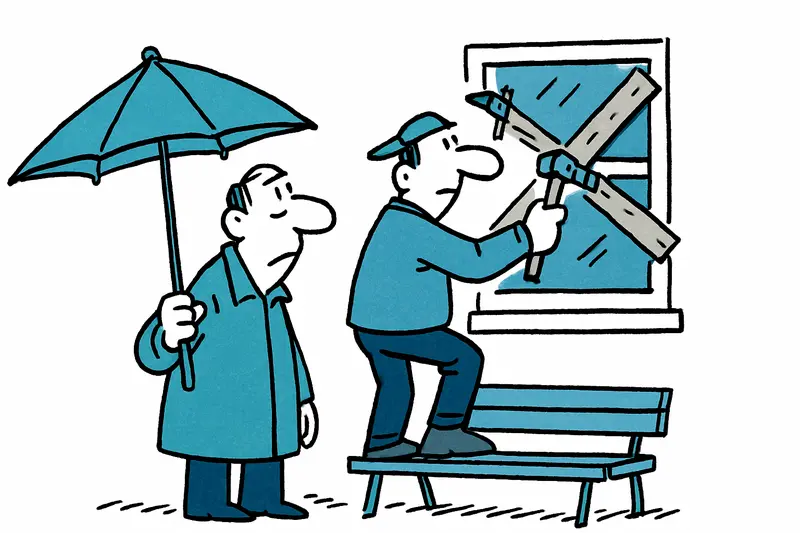
Storm 'Emilia' on the way: How well prepared is Mallorca?
Storm 'Emilia' on the way: How well prepared is Mallorca?
Emilia is moving toward the Balearic Islands: Aemet reports heavy rainfall on the mainland; on Mallorca, changeable weather, mud rain and thunderstorms are possible. A reality check for island residents and authorities.
Storm 'Emilia' on the way: How well prepared is Mallorca?
Key question: Are the preparations in Mallorca sufficient to withstand stronger rain and storm events without major damage?
On Sunday the main alarm focus remained on the mainland: Aemet warned of heavy precipitation in Valencia and Almería. Meteorologically the situation is clear: the low-pressure system brings moist air masses that will hit the island with changeable weather in the coming days, a pattern described in Rain, thunderstorms and a noticeable cool-down: another low-pressure front is moving over Mallorca. Aemet has already recorded rainfall on the island – in Santanyí about 13 liters per square meter, in Porreres, the Serra d’Alfàbia and Campos around seven liters each. Highs remain around 16–19 °C, the wind shifts from east toward south and southwest, and there is the known possibility of 'mud rain' if Saharan dust is present.
At first glance this sounds like typical winter weather. It becomes critical, however, at places where water accumulates: narrow old-town alleys in Palma, clogged drains in S'Arenal or the barrancos in the Tramuntana. If you walk through the city on a Sunday – Passeig Mallorca is quiet, market stalls at Mercat de l'Olivar are covered with tarpaulins, salty spray laps in from Portixol, delivery drivers quickly pull their jackets on – you can see how quickly everyday life and traffic can be affected.
Critical analysis
The island has routine in dealing with rain, but routines are not automatically sufficient. Three weak points stand out: first, the urban drainage system, which often reaches its capacity limits during intense showers and has been highlighted in Storm alert on Friday: Is Mallorca prepared for heavy rain?; second, the maintenance of barrancos and torrents, which after months without major cleaning can suddenly become a risk; third, communication with tourists, who often walk along the coast when warnings are distributed locally and mainly in Spanish.
In addition, infrastructure in some villages is more vulnerable: narrow main streets in Campos or Porreres can be blocked by even minor flooding. Hiking trails in the Tramuntana are slippery after early rain; mountain streams can rise suddenly. The recorded precipitation is still moderate, but soils are saturated in many places – the potential for rapid-onset problems is therefore greater than the raw numbers suggest.
What's missing in the public discourse
There is much reporting on rainfall amounts and warning levels, but rarely on concrete implementation: Who clears the drains today? Do municipalities have a priority list for at-risk streets? Are there multilingual warning chains for tourist centres? Such questions rarely surface, yet they land directly on the streets when things get serious, as noted in First storm warning, then sun: How well is Mallorca prepared for this changeable weather?. Also underreported: a short-term plan for agriculture and small businesses that need to protect sensitive supplies or animals.
Concrete, immediately implementable measures
For residents and visitors: 1) Check windows, balcony furniture and loose items on terraces; 2) avoid walks along low promenades during high surf; 3) plan shorter hikes in the mountains, as paths are slippery after heavy showers; 4) save the number 112 and follow Aemet as well as announcements from your local Ajuntament, and keep an eye on updates such as Storm Alert: Is Mallorca Prepared for the Deluge?.
For municipalities and responsible authorities: 1) short-term inspection and clearing of drains and inlets at critical points (old town, seafront promenades, underpasses); 2) increased signage and multilingual warning notices in tourist areas; 3) prioritized cleaning of torrents where possible; 4) coordination of volunteers and fire services for rapid assistance in affected communities.
Everyday scenes from the island
In the morning the cafés at Plaça Major are only sparsely occupied. A market vendor in Carrer Sant Miquel zips up her tarpaulin, a fisherman in Portixol secures his nets, and in Valldemossa hikers argue at the bus whether the route makes sense today. Such small scenes show: the island keeps breathing, but with heightened alertness.
Pointed conclusion: Emilia is not yet a superstorm for Mallorca, but it reveals weaknesses. Those who think locally and act practically – citizens, municipalities, businesses – can avoid many inconveniences. Fewer headlines about the size of the clouds, more concrete work on drains, torrents and multilingual warning communication: that should be the priority now.
Frequently asked questions
How prepared is Mallorca for heavy rain and storms?
What weather can Mallorca expect during Storm Emilia?
Is it safe to go hiking in the Tramuntana after rain in Mallorca?
What should visitors in Mallorca do when a storm warning is issued?
Which parts of Mallorca are most vulnerable to flooding?
Does rain in Palma affect everyday life and traffic?
What is mud rain in Mallorca and when does it happen?
Which local precautions should people in Mallorca take before a storm?
Similar News

Rental Car Theft in El Arenal: What This Incident Reveals About Our Gaps
A teenager steals a running rental car in El Arenal, flees on foot, climbs over walls and is caught by the Guardia Civil...
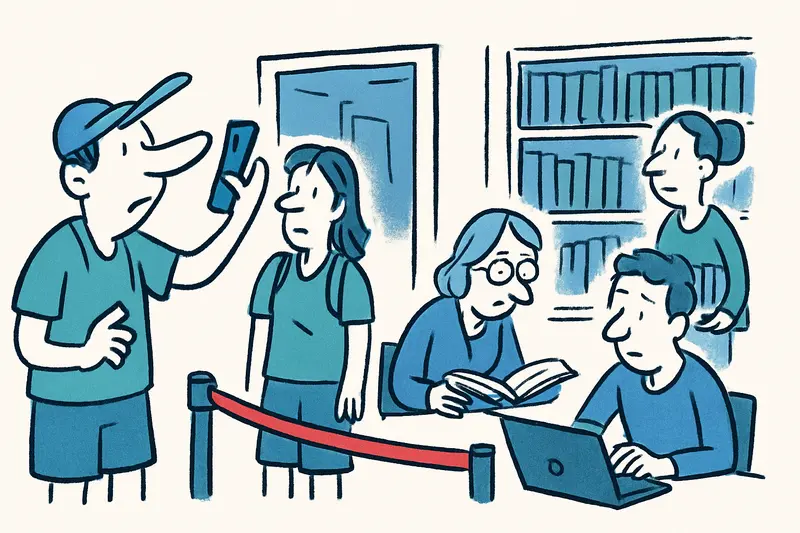
Red Rope in Palma's Library: What Helps Against Selfie Tourism — and What's Missing
Palma's city library cordoned off an area with a red rope to keep selfie tourism away from reading and working activitie...
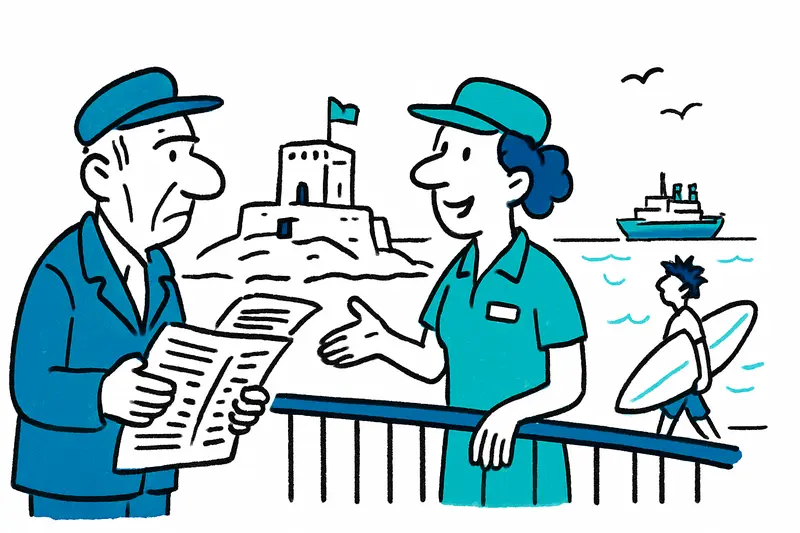
Fort San Carlos: Museum, Harbor Dispute — and a Conflict That Demands Answers
The military museum at Fort San Carlos sits right on Palma's harbor, with unexpectedly quiet rooms filled with cannons a...
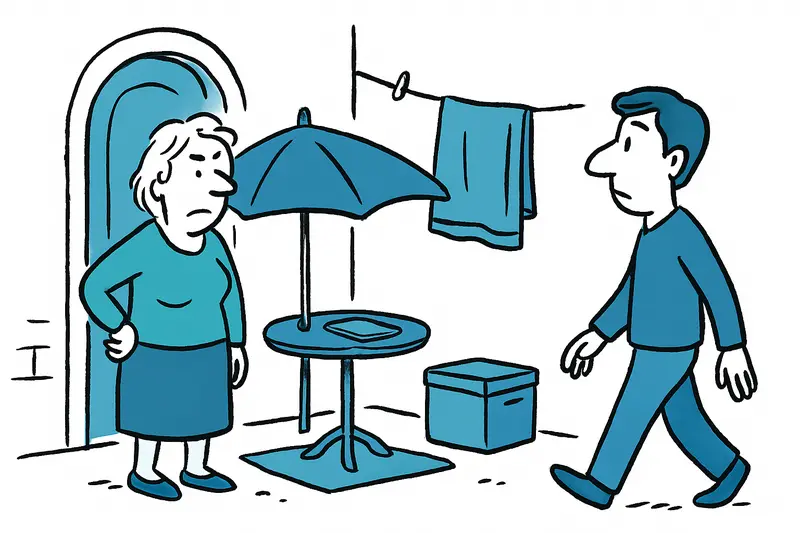
Old Town Under Pressure: When a Doorway Becomes a Sleeping and Shower Place
For months a woman has been living with a parasol, a clothes rack and personal belongings next to the social welfare off...
When Shopping Weighs Heavier: Mallorca Demands a Tax Pause on Food and Fuel
Rising prices are putting pressure on households and agriculture. The Balearic Islands are calling for temporary tax rel...
More to explore
Discover more interesting content

Can Cap de Bou

Townhouse Lleo 72
