
Storm "Harry" batters the coasts – a reality check for Mallorca
Storm "Harry" batters the coasts – a reality check for Mallorca
Meter-high waves and gale-force gusts hit Cala Rajada, Alcúdia, Porto Cristo and the Tramuntana. Aemet continues to warn – how well is the island really prepared?
Storm "Harry" batters the coasts – a reality check for Mallorca
Meter-high waves, harbor promenades in seawater: what we know now and what is being overlooked
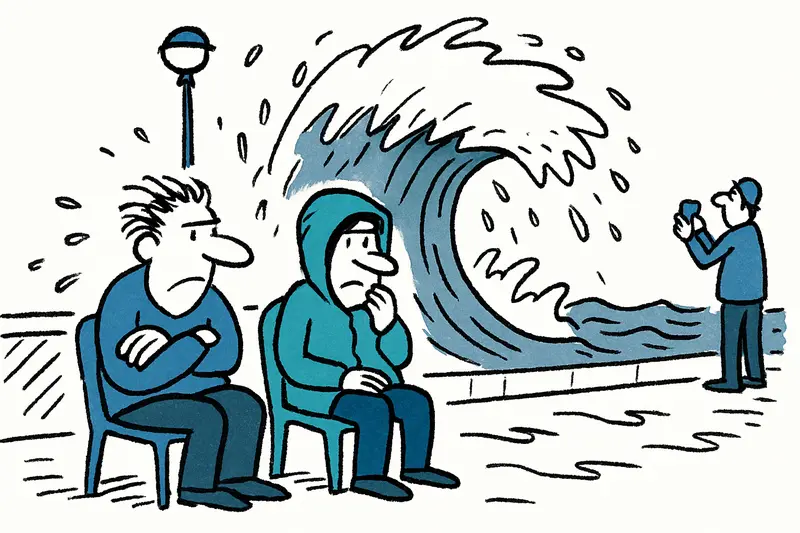
On Tuesday the waves struck the quay walls so high that passers-by on the harbor promenade in Cala Rajada sought shelter on plastic chairs while spray splashed over the lamps. In Porto Cristo and Alcúdia residents and tourists filmed the sea, which struck walls and boats like a powerful breath. The state weather service Aemet issued warnings, Storm warning in Mallorca: Is the island prepared for wind and rain?: strong winds with gusts around 80–90 km/h along parts of the coast, regionally increased alert levels, in places with the prospect of waves up to ten meters high, as noted in First storm warning, then sun: How well is Mallorca prepared for this changeable weather?.
Does that sound dramatic? It is. The images are striking, but they do not answer the more urgent question: How resilient are our coasts and procedures to such extremes — and where does the silent risk lie?
Key question
How well prepared are Mallorca's coastal infrastructure, authority coordination and local businesses for storms like "Harry", so that people, buildings and livelihoods are not unnecessarily endangered?
Critical analysis
First: Aemet sets the danger level and images circulating in the news sharpen awareness. Nevertheless, we see a pattern on Mallorca: short-term warnings, many spectacular shots on social networks and few binding, island-wide measures for vulnerable coastal sections — as discussed in Yellow Warning: When the west wind sweeps across Mallorca — how prepared is the island?. Promenades often remain open for a long time, beach bars are difficult to protect at short notice, and in cliff coves like Cala Deià a single heavy wave is enough to undercut paths and venues.
Second: infrastructure problems are concrete. Stone walls, decorative promenades and small harbors were built over decades more for calm tourist weather than for storm events with recurring high waves. Drainage channels along promenades, access to the sea or parking areas are vulnerable to flooding. In places like Canyamel or Cala de Sant Vicenç several hours of heavy seas are enough to block paths or damage parking lots.
Third: economy and daily life. Many small coastal businesses — bars, boat rentals, fishermen — have no reserves for repeated damage. In public discourse this topic plays little role: it's about impressive images, not insurance issues, reconstruction plans or preventive closure concepts.
What is missing from the public debate
We talk a lot about spectacular scenes but too little about prevention: Who decides proactively on closures? Is there a standardized warning system for promenades linked to Aemet? How quickly can mobile barriers be deployed? And: what assistance do small coastal businesses have if their terrace is washed away?
Everyday scene from Mallorca
Imagine the Passeig Marítim in Palma on a windy morning: seagulls scream, bins rattle, a fisherman carefully hauls his nets into the harbor while tourists in hoodies stand on the promenade taking pictures. Such everyday images are the intersection of spectacular nature and practical vulnerability — here it is often decided whether a storm remains an incident or becomes damage with long echoes.
Concrete solutions
1) Early linking of Aemet warning levels with local alarm plans: municipalities should define automatic chain reactions (closures, public works deployments, loudspeaker announcements). 2) Keep temporary protective measures available: foldable barriers, sandbag reserves, mobile signs and standardized closures for promenades. 3) Risk maps and prioritization: not all coastal sections are equal — priority for ports, promenades and venues with high public frequency. 4) Financial reserves and micro-aid: a fund or fast emergency aid for small businesses suffering storm damage. 5) Sensors and monitoring: more tide and wind gauges at exposed coastal points, linked to local alerts via SMS or municipal apps. 6) Public outreach with clear behavior tips: no beach walks at X-alert level, closure notices visible at access roads.
Conclusion – succinct
The footage from Cala Rajada, Alcúdia or Cala Deià shows the raw power of the sea; they are not just content for phones but wake-up calls. Aemet provides the meteorological map, the island now needs the tactical map: who closes what when, which infrastructure is protected first, and how are people and livelihoods quickly supported? Without these answers, future storms will again provide spectacular images — but also avoidable damage. It's time to turn spray into concrete plans.
Frequently asked questions
How serious are storm warnings in Mallorca when strong winds and high waves are forecast?
Is it safe to walk along Mallorca’s seafront during a storm?
When is the coast of Mallorca most exposed to dangerous waves?
What should people in Mallorca do when Aemet issues a coastal warning?
Why are harbour promenades in Mallorca so vulnerable during storms?
What happened in Cala Rajada when the storm hit Mallorca’s coast?
Are small coastal businesses in Mallorca protected from storm damage?
What kind of storm-preparedness plan does Mallorca need for the coast?
Similar News

Rental Car Theft in El Arenal: What This Incident Reveals About Our Gaps
A teenager steals a running rental car in El Arenal, flees on foot, climbs over walls and is caught by the Guardia Civil...
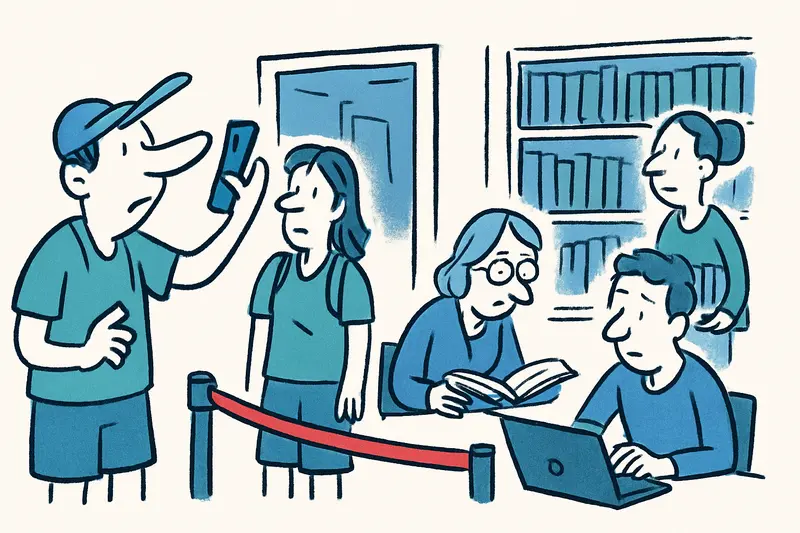
Red Rope in Palma's Library: What Helps Against Selfie Tourism — and What's Missing
Palma's city library cordoned off an area with a red rope to keep selfie tourism away from reading and working activitie...
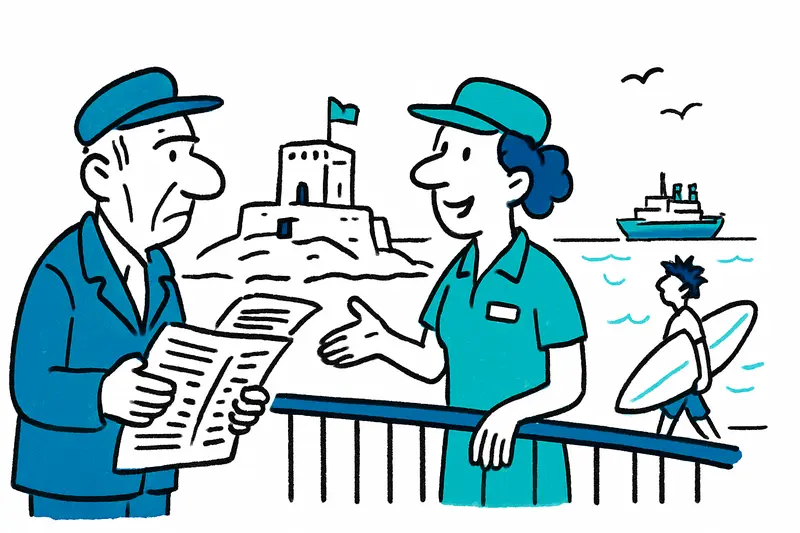
Fort San Carlos: Museum, Harbor Dispute — and a Conflict That Demands Answers
The military museum at Fort San Carlos sits right on Palma's harbor, with unexpectedly quiet rooms filled with cannons a...
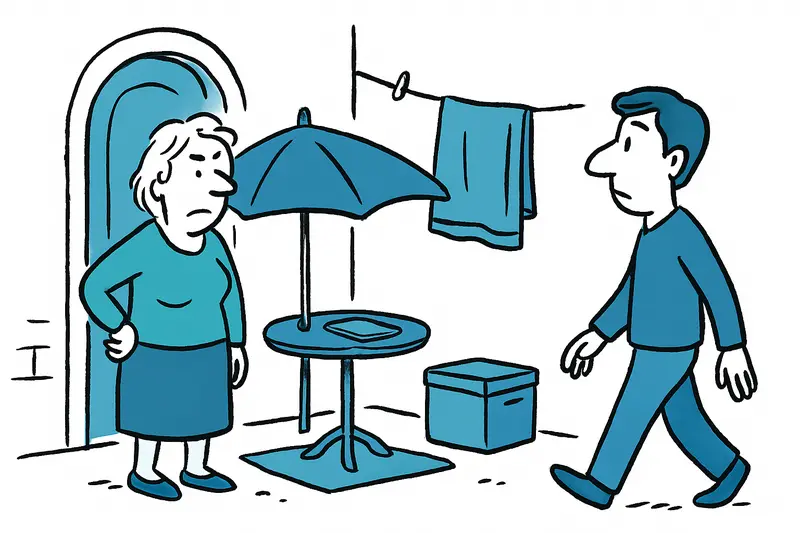
Old Town Under Pressure: When a Doorway Becomes a Sleeping and Shower Place
For months a woman has been living with a parasol, a clothes rack and personal belongings next to the social welfare off...
When Shopping Weighs Heavier: Mallorca Demands a Tax Pause on Food and Fuel
Rising prices are putting pressure on households and agriculture. The Balearic Islands are calling for temporary tax rel...
More to explore
Discover more interesting content

Can Cap de Bou

Townhouse Lleo 72
