
Storm "Leonardo" on the Way: What Mallorca Needs to Know
Storm "Leonardo" on the Way: What Mallorca Needs to Know
"Leonardo" has caused evacuations and flooding in southern Spain. Aemet warns that Mallorca will also see effects — wind, rain and waves up to ten metres high. A sober assessment of what is missing here and how residents, municipalities and tourists should protect themselves.
Storm "Leonardo" on the Way: What Mallorca Needs to Know
Main question: Is the island adequately prepared — or will the chaos seen in southern Spain repeat itself here?
The images from Andalusia and parts of Portugal act like a slow-motion warning: raging water flows, buried roads, evacuations. On Mallorca the signals are less dramatic — for now — but Aemet lists clear hazards: from midday stronger winds, locally very high coastal waves, orange sea warnings in parts and yellow storm alerts on land (see Storm warning in Mallorca: Is the island prepared for wind and rain?). Concretely, in bays such as Palma's waves of several metres can occur, threatening waterfront promenades, low-lying parking areas and damaging boats.
Critical analysis: Warnings exist and the technical alert system works — but the gap is often in local implementation. In Andalusia thousands of people were evacuated from at-risk neighbourhoods; the reasons were saturated soils and waterways that quickly burst their banks. Mallorca already saw above-average rainfall in January, soils are wet, and ravines and rambla inflows are more vulnerable, as local reporting noted in First storm warning, then sun: How well is Mallorca prepared for this changeable weather?. If high waves overwhelm coastal defenses at the same time strong gusts threaten roofs, trees and loose objects, a dangerous mix can form where hours determine lives and damage.
What's missing from the public discourse is a clear scenario description for the island. People talk about "warning levels", but it is often unclear which roads will really be closed, which residential areas will have evacuation priority and where people can find short-term shelter. There is a lack of understandable checklists for tourists, clear behavioural instructions for boaters and visible preparatory actions by municipalities: cleaning drain grates, preparing sandbags, allowing parking in higher areas. Multilingual information is also an issue — many residents and workers on Mallorca do not speak Spanish. This gap is noted in Storm Alert: Is Mallorca Prepared for the Deluge?.
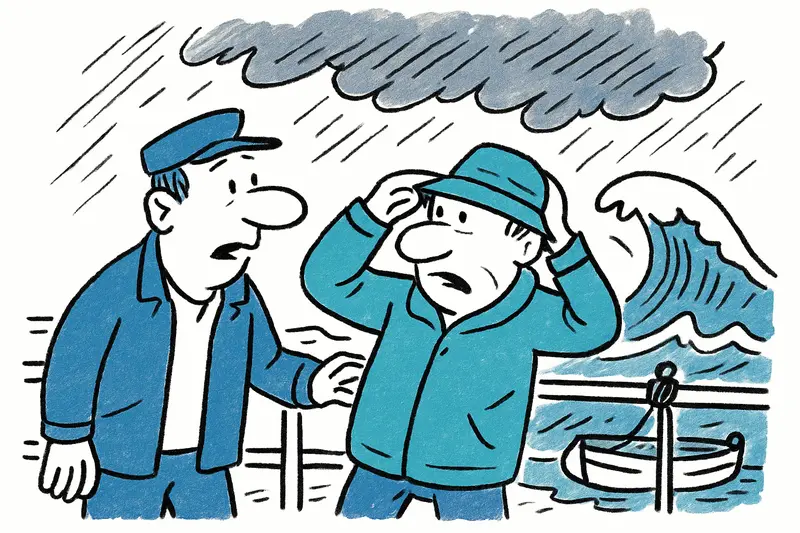
Everyday scene from Palma: early in the morning you see fishermen on the Passeig Marítim rolling up their nets while the few tapas terraces in the harbour fold away cloths and chairs. In Portixol a fishing boat rattles, the captain ties it more securely, youths look for sheltered spots. On the Plaça de Cort shopkeepers close shutters, a cat crouches under a car. It sounds unspectacular — but these small actions add up to real preparedness when the wind picks up later.
Concrete solutions (as pragmatic as possible):
1) Municipal action before the storm: Mayor's offices should clear drain grates and street inlets this morning, put provisional barriers at low-lying points and free public parking areas in higher locations. It costs little but reduces local flood risks.
2) Clearer evacuation plans: Publicise them via SMS/WhatsApp channels, notices in multiple languages and clear meeting points for those affected. Anyone living near a rambla should now know where to go in an emergency.
3) Harbour and boat rules: Marinas and fishing ports must check moorings, move smaller boats to safety or haul them ashore. Private boat owners: tighten lines in time and check cleats.
4) Secure critical infrastructure: Care homes, hospitals, power stations and drinking water facilities should be prioritised for protection. Check mobile generators and emergency power plans.
5) Citizen checklist: Park cars on higher ground if possible, turn off electricity and gas if necessary, keep torches and medicines ready, contact neighbours (especially older people).
6) Volunteers and neighbourhood networks: Quick training for local helper teams so they can coordinate clean-up work without becoming an additional burden.
What would help quickly: clearly visible information hotlines and links from Aemet and the island government, daily situation updates in plain language and temporary accommodation in municipal buildings. Authorities use BOIB announcements and the emergency number 112 as coordinating pillars in such hours — this must be known in every district.
What everyone can do immediately: check official Aemet warnings, secure boats, do not drive into flooded streets and respect barrier signs. Sharing photos and videos of dangerous situations sometimes creates panic; it is better to report incidents to emergency services so help can be targeted.
Concise conclusion: We know what can come — and we know what often does not happen: systematic local-level preparation. On Mallorca, small, well-planned measures often prevent worse outcomes. The island has plenty of storm experience, but experience alone does not protect against negligence. If drain grates are cleaned, boats secured and neighbours contacted today, that is not alarmism but common-sense preparedness. Heed Aemet warnings, follow municipal announcements and keep away from coastal areas while the sea is rough.
Practical note: Official forecasts come from Aemet; for official orders from the island and municipalities check BOIB publications and local notices. In an emergency: call 112.
Frequently asked questions
What should people in Mallorca do when a storm warning is issued?
Is it safe to go to the beach in Mallorca during strong winds and rough seas?
What kind of damage can a storm cause in Mallorca?
How prepared is Mallorca for heavy rain and storm conditions?
Should boat owners in Mallorca take extra precautions before a storm?
What should drivers in Mallorca avoid during heavy rain and flooding?
What does Aemet’s storm warning mean for Mallorca?
Where can people in Mallorca get official updates during a storm?
Similar News
Rental Car Theft in El Arenal: What This Incident Reveals About Our Gaps
A teenager steals a running rental car in El Arenal, flees on foot, climbs over walls and is caught by the Guardia Civil...
Red Rope in Palma's Library: What Helps Against Selfie Tourism — and What's Missing
Palma's city library cordoned off an area with a red rope to keep selfie tourism away from reading and working activitie...
Fort San Carlos: Museum, Harbor Dispute — and a Conflict That Demands Answers
The military museum at Fort San Carlos sits right on Palma's harbor, with unexpectedly quiet rooms filled with cannons a...
Old Town Under Pressure: When a Doorway Becomes a Sleeping and Shower Place
For months a woman has been living with a parasol, a clothes rack and personal belongings next to the social welfare off...
When Shopping Weighs Heavier: Mallorca Demands a Tax Pause on Food and Fuel
Rising prices are putting pressure on households and agriculture. The Balearic Islands are calling for temporary tax rel...
More to explore
Discover more interesting content

Can Cap de Bou

Townhouse Lleo 72
