

Suddenly Without a Finca — Payments Missing: Who Is Liable, Who Pays?
Deposits for holiday fincas in Mallorca are not arriving — intermediaries remain silent, platforms keep operating. Who is liable? Concrete immediate tips for travelers and property owners.
Suddenly Without a Finca — Payments Missing: Who Is Liable, Who Pays?
Fishermen are clanging their boats in Cala Major in the morning, coffee is steaming in Santa Catalina — and yet this summer many people suddenly arrive on the island without a holiday home. Booking confirmed, deposit transferred, and a few weeks later the email: "The finca is not available." At the same time, owners report missing incoming payments in the four- to five-figure range, as reported in De repente sin finca: turistas esperan miles de euros de un intermediario alemán.
What lies behind the cases
The stories are similar: families from Germany who had planned to soak up the last rays on Playa de Palma receive cancellations, a pattern described in Reservas de fincas canceladas: Graves acusaciones contra un intermediario alemán en Mallorca. Owners report accounts with no payment receipts, even though listings remain active on booking platforms. Some offices in Santa Ponsa are said to have already closed, and in individual cases even the electricity was cut off. Where does one stop seeing only organizational mishaps — and where does potential fraud begin?
A perspective you rarely hear
Little attention is paid to how tightly payment flows are tied to personnel and rental costs. If an intermediary does not pay salaries or social contributions, it is not just a liquidity problem but often an indication of structural imbalances. Also rarely discussed is the role of payment service providers and platforms that continue to allow bookings even though obligations toward owners are not met. This gap creates last-minute emergencies for arriving guests — and owners without income.
Legally unclear — and yet clearer than it seems
Legally the matter is multifaceted: under civil law there is usually a claim for repayment of the deposit. Criminal law may be relevant in cases of fraud or embezzlement if funds were diverted. But in practice clarification takes time, there are cross-border aspects, and often there is no clear responsible party. Therefore the question we must ask is: is the current system of self-regulation sufficient or does Mallorca need binding rules for handling deposits?
Concrete immediate steps for travelers
Acting now protects chances of reimbursement. Short and practical:
- Secure receipts: Collect bank statements, transfer confirmations, screenshots and confirmation emails. Unfortunately, this has become a topic of conversation in cafés along the Paseo Marítimo.
- Inform your bank: For card payments check for chargeback options; for direct debits observe the return deadline. The faster the bank acts, the better.
- Consider filing a criminal complaint: If it is clear that funds were not forwarded, filing a report makes sense — the Guardia Civil records cases and OMiC advises consumers.
- Document everything: Save every email and note every phone contact with names and times. This helps lawyers and investigators enormously.
What owners should do now
Owners can also take action: block calendars on all platforms if payments are missing; check whether chargebacks are possible from their own accounts; immediately initiate legal steps against the intermediary and inform the Guardia Civil. An explicit note in the listing that bookings are only valid after the owner has received payment creates transparency and prevents damage.
Political and structural solutions — why they are necessary
The island needs rules that secure the collection of customer funds: separate escrow accounts for customer money, mandatory minimum capital reserves, regular audits and clear liability for platforms. Technical measures such as an "owner-paid" badge or mandatory proof before activating a booking would help in the short term. In the long term the question must be answered: do we want a system that relies on trust, or one that protects trust?
Who to call — and what community action can achieve
Those affected should not fight alone. File a police report, contact OMiC, consult your bank and, if possible, consider collective lawsuits. When several victims pool information, the chances increase that public prosecutors will act and consumers will be reimbursed more quickly.
An appeal from island reality
Between market vendors' quotes and the sound of the Tramuntana there is a practical piece of advice: do not remain silent, but do not panic. Mallorca thrives on guests and hosts. Transparency, separate accounts and legal consequences help restore trust — so more people can again sit on a finca terrace, enjoy the smell of saltwater and freshly brewed coffee, instead of sitting on the beach with file folders.
"We will not give up our money without a fight," said a holidaymaker — and that is a sentence that owners, authorities and platforms should take seriously.
Frequently asked questions
What should I do if my finca booking in Mallorca is suddenly cancelled?
Who is usually liable when a holiday rental payment in Mallorca never reaches the owner?
Can I get my deposit back if my Mallorca holiday home is no longer available?
What documents should I keep after a problem with a finca booking in Mallorca?
Should I report a missing Mallorca rental payment to the police?
What can owners in Mallorca do if their rental income stops arriving?
Why can bookings in Santa Ponsa still appear active even when payments are missing?
What signs in Mallorca suggest a rental intermediary may have serious financial problems?
Similar News
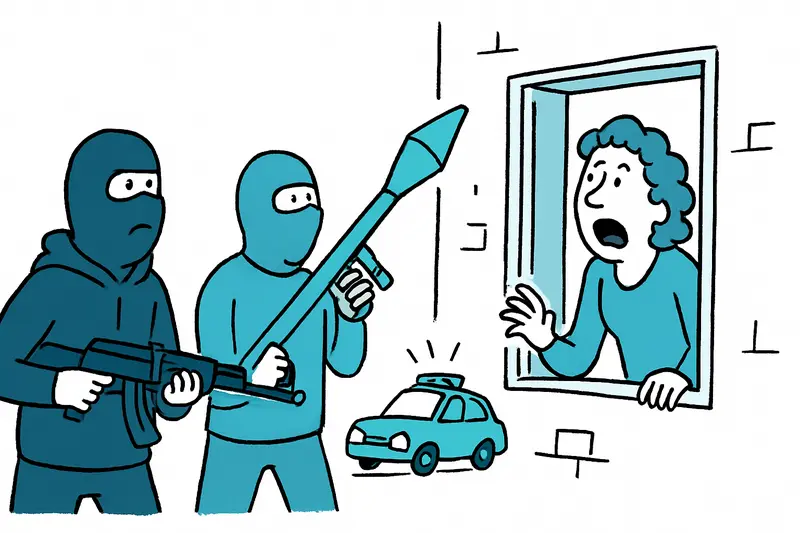
Masked Images, Real Panic: When Social Media Aesthetics Alarm Neighbors
Five German content creators filmed on a recently vacated detention site using deceptively realistic props. The result: ...
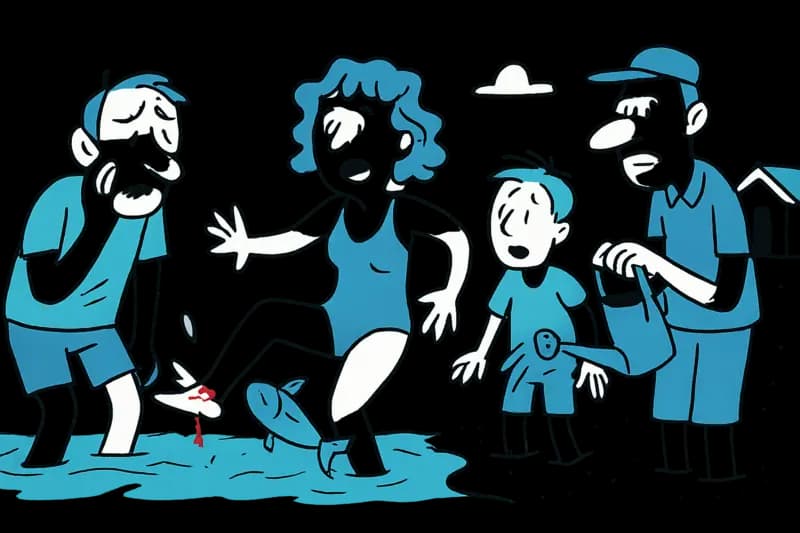
Why the Striped Breams in Cala Pí Should Be a Wake-up Call
Once again bathers in Cala Pí were surrounded while swimming by small, nippy fish — some wounds bled. Time for clear rul...

Daily from New York: How Palma's Air Traffic Is Growing — and What Must Change
United will increase the Newark–Palma service to daily flights in 2027 (Boeing, 231 seats). Strong tourist numbers clash...

When Love Ends in Shards: Destruction in Son Vida and the Questions That Remain
In Son Vida a relationship dispute escalated: a woman destroyed furniture in a luxury villa, later pressed a panic butto...

Who Bears the Burden? Mallorca Between Tenant Protection and Landlord Fears
Madrid's new housing decrees strengthen tenant rights — but on Mallorca concern is growing: will the law drive small lan...
More to explore
Discover more interesting content

Can Cap de Bou

Townhouse Lleo 72
