
Sunset and Sake: How Formentor and Palma Enliven the Late Season
Sunset and Sake: How Formentor and Palma Enliven the Late Season
Cabañas, theatrically presented cocktails and a sake spritz on the rooftop: Formentor and Palma blend luxury and everyday life into evenings that show how the island is reinventing itself.
Sunset and Sake: How Formentor and Palma Enliven the Late Season
From pine-scent to pool terrace – evenings that bring travelers and neighbors together
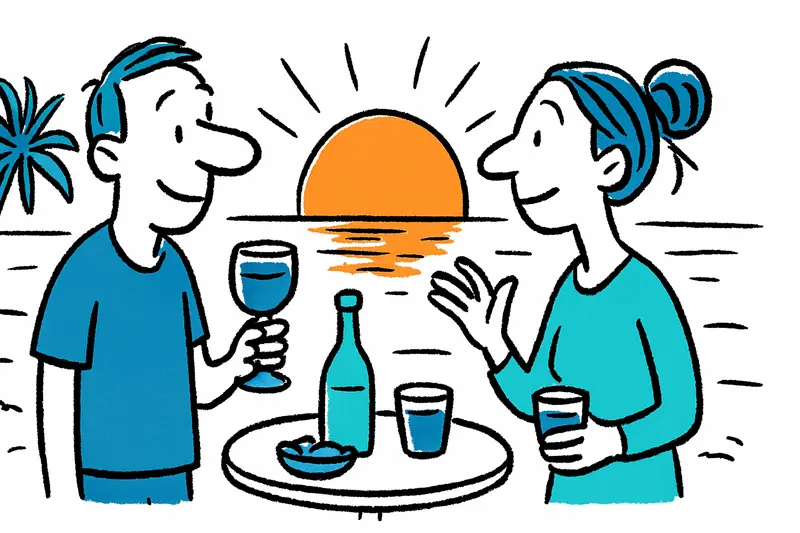
It is one of those late summer evenings when the heat shifts as day turns into night: cicadas chirp, pine trees cast long shadows, and a thin veil of golden light hangs over the sea. In Formentor, on the terraced gardens of the Four Seasons Resort Mallorca at Formentor, guests sit in cabaña-like niches and hear quiet jazz licks by Assen Donchev among the trees. Between them: the clink of glasses and the occasional laughter of people stopping here from other parts of the world to catch their breath.
The drinks are part of the show. At the Cercle Bar, sophisticated ingredients meet theatrical presentation: cocktails with names like 'Tinder Martini' or 'Dirty Bamboo Highball' arrive with smoke, foam or a hint of jasmine. Chef Javier Hoebeeck serves small plates that demonstrate how Mallorcan tradition and modern cuisine play together. That an evening with two cocktails and two small dishes can come to about €45 makes such nights accessible to more people than you might think — not just guests staying in suites.
This mix of elevated ambition and everyday familiarity is felt in small moments: an American couple is delighted by the boat transfer to Pollença for around €15; Hektor from New York claps like a child when the boat docks. Later the couple lingers at the infinity pool, then decides on the hotel's gourmet meal and laughs at their own holiday dramaturgy. Scenes like these are what make Mallorca so special this late summer – a kind of honest glamour that still leaves room for improvisation.
Dive deeper into Palma's urban air and you find the same mood of renewal just a few streets away. On the roof of the Ars Magna Bleisure Hotel, the new spot Raco opens a terrace where Zalud, a sake-spritz, makes the rounds. Young restaurateur Agnes Ramis, who runs the place together with her brother Pau, raves about the world of Japanese wine and toasted at the opening with co-creator Gi-yeon Buehler and host Britt Jolig. Encounters like these between the local and the international give Palma's scene a fresh note – you hear more languages, but the plates remain down-to-earth.
And yes, the dog is part of it: "Emmy", a Maltipoo with a world-travel passport, had just continued her flight to Monaco, accompanied by concierge Daniel Rudolf and a small on-board buffet. On days like this it's a little performance to see how service and style here sometimes live in tiny details – an extra pretzel, a lovingly arranged snack tray.
The atmosphere remains buoyant even at the airport: between luggage carousels and departure screens you meet people carrying summer forward, including artists like Annemarie Eilfeld, who shows her new song with a smiling sangria tattoo. Those moments belong to everyday life here: not only the big names, but the small memories you take home.
Why is this good for Mallorca? Because these evenings show the island is more than glossy brochure images. When luxury hotels open their doors to invite local producers, young restaurateurs and musicians, value is created for the whole island: jobs stay, ideas circulate, and regular guests discover something new. At the same time the island visibly opens up outside the peak season – a gain for residents and visitors planning longer stays.
My suggestion: go out when the sun sits lower. Try a Zalud on a Palma roof terrace or sit in one of the Formentor cabañas just for a glass and listen. Small evenings can do great things: they connect, inspire and keep Mallorca moving – quietly, but noticeably.
Outlook: More nights like these would be an invitation to discover the island for longer: collaborations between hotel kitchens and local producers, smaller music events in places like Pollença or Palma, and a stronger focus on late-season dates could improve the distribution of tourism even more. Until then, often a sunset, a good drink and the willingness to engage in the conversation next to you are enough.
Frequently asked questions
What is the best time of year to visit Mallorca for warm weather and beach days?
What should I pack for a Mallorca trip?
Is it safe to swim at Mallorca's beaches?
How can I get around Mallorca without a car?
What language do people speak in Mallorca, and will English help?
Can I swim comfortably in Mallorca year-round?
What outdoor activities are popular in Mallorca?
Are there practical etiquette tips I should know when visiting Mallorca?
Similar News

Cardiac arrest in the Tramuntana: Why a rescue often depends on chance
A 47-year-old cyclist suffered a cardiovascular arrest near Lluc. What went well, what is missing in the mountains — and...

Between Arrival Hall and Hospital: 109 Capsules, One Case and Many Questions at Palma Airport
A traveler from Belgium was arrested at Palma Airport with 109 cocaine capsules, more than a kilogram. The case shows ho...

Why the Cologne–Palma Flight Stalled in Cologne — a Reality Check
A Eurowings A320 (EW584) came to a halt at the gate in Cologne/Bonn. Passengers had to disembark and wait more than two ...
Cardiovascular Collapse in Peguera: Rescue on the Beach and the Questions That Remain
An 88-year-old Swiss man was recovered unconscious from the sea off La Romana (Peguera) and, after prolonged resuscitati...

Shipwreck before the first departure: How the 'Bus Nàutic' failed due to planning mistakes
A multimillion-euro port project in Palma collapsed before a vessel ever sailed. Key question: Why did the 'Bus Nàutic' ...
More to explore
Discover more interesting content

Boat Tour with BBQ along Es Trenc Beach
Private transfer from Mallorca Airport (PMI) to Pollensa
