
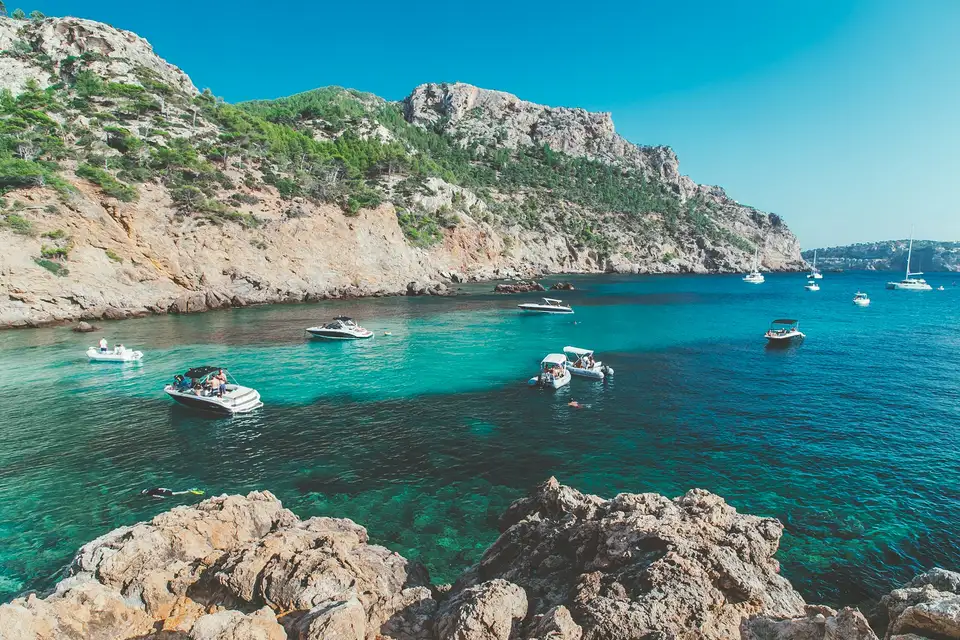
Swastika on the courtyard gate in Llucmajor: Who fuels the anger — and what helps?
In Badia Gran near Llucmajor, a house was shamefully daubed with a swastika and the slogan "Fuera de Mallorca". Discontent is rising in the streets — but the response must not be paralysis or retaliation.
Swastika on the courtyard gate in Llucmajor: Who fuels the anger — and what helps?
Key question: What dynamics lead to hate symbols like a swastika appearing on private houses now — and how can we prevent the atmosphere on the island from becoming further poisoned?
Early in the morning in Badia Gran: seagulls cry over the harbor, the scent of freshly baked pa de pages mixes with the salty air, and a delivery van is unloading boxes for the weekly market on the main road. It was in this setting that a resident discovered a large-scale graffiti on the boundary fence of his house. Beside the slogan "Fuera de Mallorca" a swastika was painted on the courtyard gate. A message that not only provokes but also instills fear.
This is not an isolated case: In recent weeks there have been several politically charged acts of vandalism on the island, including Nazi graffiti on the Aurora Picornell bust. Anti-tourist slogans appeared on Palma's promenade (xenophobic graffiti at Playa de Palma), a new restaurant was daubed with tourism-critical graffiti, and a sign on the east coast read "alemanes invasores". These incidents are the expression of a larger problem: economic pressure and perceptions of inequality meet political frustration.
Analysis: Why is it escalating? First: the island is changing. More and more people, including affluent buyers from abroad, influence rents and prices. That generates frustration among locals who see jobs and affordable housing threatened. Second: emotions find rapid, often radical forms of expression in public space. Graffiti and slogans are immediate outlets — they generate media attention and validation within social circles. Third: symbols like a swastika cross a line. They are no longer mere protest but point to intolerance and willingness to use violence.
What is missing in the public debate? Common answers include: more police, harsher penalties, faster removal of the graffiti. That is necessary but incomplete. Three points remain underexposed: first the psychosocial dimension of the anger — young people without prospects, neighbors who feel ignored; second the role of neighborhood networks that could defuse conflicts earlier; third clear, transparent political steps to regulate housing so that not only outrage but prospects for solutions emerge.
What does the everyday scene look like where such acts occur? On the Plaça of Llucmajor the church bells ring at noon, seniors sit with café con leche, and garbage collectors and gardeners work tirelessly. This normality suffers when the next morning people go over the courtyard gate with photos and notes to document the graffiti, or children walk to school while adults discuss the act. The town becomes the stage for a conflict that is not just private.
Concrete approaches (not pretty, but practicable):
1) Immediate measures: Police report, photographic documentation and rapid removal of the symbols. Combating hate begins with clear evidence collection and a visible response from the authorities.
2) Prevention: More presence of the local police in affected neighborhoods at critical times, combined use of cameras at public points while respecting data protection rules, and sponsorships for quick wall-cleaning by neighborhood groups.
3) Social dialogue: Regular neighborhood meetings, moderated forums at municipal level (also multilingual) and low-threshold reporting channels for tensions before they escalate.
4) Long-term policy: Municipal measures to steer the housing market: stronger obligations for reporting vacant properties, promotion of cooperative housing projects, tax incentives for affordable housing and closer cooperation with municipalities that are particularly affected.
5) Education and remembrance: Workshops in schools and cultural centers about the meaning of symbols, civil courage programs and initiatives that explain why certain signs reopen wounds in our history.
These steps are no panacea, but they offer a pragmatic framework: repressive measures must not be the only response; otherwise legitimate discontent can transform into blind hatred. At the same time, tolerance must not become a free pass for intimidation.
Conclusion: A swastika on a courtyard gate is more than paint on wood. It is a warning sign for a society that is overwhelmed in some places. Those in Badia Gran or on Palma's promenade who pick up the newspaper in the morning should not also have to read the fear of new writings. The island now needs visible reactions, honest conversations about housing and living conditions, and a clear stance against any form of glorifying violence. Otherwise polarization threatens to increase further — until the seagulls fall silent and the squares remain empty.
Frequently asked questions
When is the best time to swim in Mallorca?
What is the weather like in Mallorca in spring?
What should I pack for Mallorca if I want to go to the beach?
Can you swim in Mallorca outside the summer months?
Is Mallorca good for a beach holiday in April or May?
What is Port de Sóller like for a day trip in Mallorca?
Is Cala d'Or a good place for a quiet beach day in Mallorca?
What is the weather usually like in Palma de Mallorca in autumn?
Similar News
Rescue operation at Tolleric: Why nighttime cliff parties become dangerous
A British holidaymaker fell about ten meters at the cliffs of Tolleric during the night, later climbed back up and was r...
Car accident on the MA-1: Mother and daughter on a bicycle struck by a fellow countryman – Who protects cyclists here?
On the MA-1 between Portopí and the Cala Major exit, a mother and her daughter on a bicycle were struck by a car. A para...
Smoke over the UIB: Who is responsible for the fire on the roof?
On Saturday afternoon a fire broke out on the roof of the Arxiduc Lluís Salvador building at the University of the Balea...
Short Getaway with Sea View: Inmood Aucanada among Spain's Top Hotels for Dinner Breaks
A small hotel on the coast of Alcúdia was highlighted by a Spanish experience platform as particularly suitable for shor...
Cala Pi crowned Mallorca's most beautiful beach: A morning at the rocky cove
The travel portal Holidaycheck praises Cala Pi as Mallorca's most beautiful beach: a narrow, romantic cove, clear water,...
More to explore
Discover more interesting content

Can Cap de Bou

Townhouse Lleo 72
