
Congestion and Air-Quality Thresholds as a License Freeze: What the New Rule Means for Taxis in Mallorca
Congestion and Air-Quality Thresholds as a License Freeze: What the New Rule Means for Taxis in Mallorca
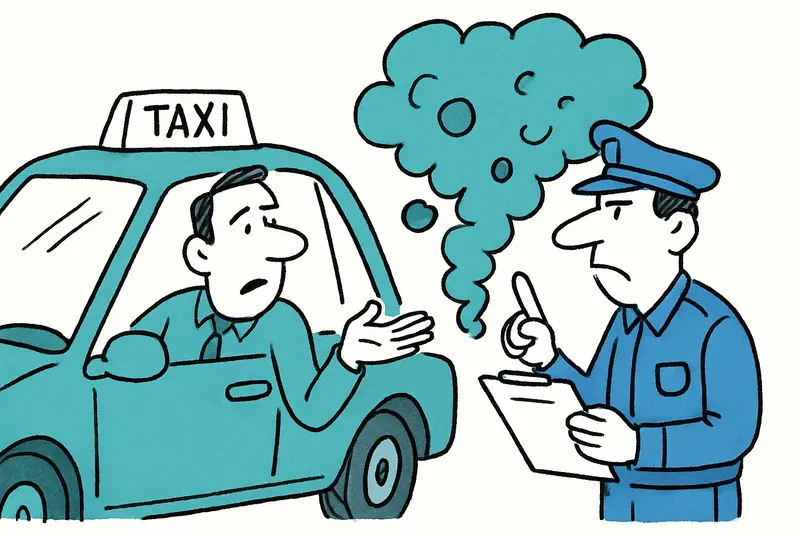
The Balearic government will in future tie new taxi and VTC licenses to traffic and air-quality limits. A good idea — but what is missing in the implementation? A reality check with everyday scenes, criticisms and practical proposals.
Congestion and Air-Quality Thresholds as a License Freeze: What the New Rule Means for Taxis in Mallorca
Key question: Does the rule really protect the air — or does it create new problems for passengers and drivers?
On Palma's Paseo Marítimo, mornings often start with the steady drone of delivery vans and the smell of exhaust. Anyone waiting for a taxi here knows the hours when nothing moves. The Balearic government has now decided (see New Taxi Rules in Mallorca: Caps, Ramps and the App — Will the Plan Match the Island's Rhythm?): new taxi licenses and VTC vehicles (rental cars with drivers) will only be issued if certain thresholds for traffic congestion or air quality are not exceeded. Sounds logical. But politics lives in the fine print — and that's where pitfalls hide.
What exactly is in the decision? In short: if congestion or air-quality values exceed defined thresholds, the issuance of new licenses will be suspended. Exceptions are possible: temporary licenses can be granted in cases of proven increased demand, but only after a prior expert assessment. This basic line is clearly visible in the government's public statements; details about measurement points, threshold levels and inspection intervals have not yet been made public.
Critical analysis: There are good reasons for the measure. Cities and islands must limit emissions, and traffic is a major contributor. If fewer vehicles are on the road overall, that can help improve air quality. But without complementary measures, side effects are likely. Taxi trips are a mobility safety net for shift workers, older people and tourists. A rigid ban on licenses can worsen availability, lengthen waiting times and raise prices — especially at night and in remote places like Santanyí or the north of the island.
What's missing so far in the public debate: First, transparency about thresholds and measurement methodology. Are measurements taken on representative streets like Avinguda de Jaume III or at quiet peripheral stations? Second, it is unclear how seasonal fluctuations will be taken into account. Mallorca's traffic dynamics in summer are completely different from February. Third, a passenger perspective is missing: how will shortages in off-peak times be compensated? Fourth: how will illegal offers be prevented if regular licenses become scarcer?
Everyday scene: Imagine a family on an August evening trying to get from the airport to Cala Millor. The sun is gone, bus connections are thin, taxi ranks are emptier than usual — because new licenses have been stopped and existing fleets have not been electrified. These situations are not theoretical; they happen on long weekends and at peak-season moments.
Concrete solutions now needed:
- Clear, publicly accessible criteria: Thresholds, measurement locations, measurement intervals and the criteria for "increased demand" must be published. Only then can municipalities, taxi companies and citizens plan.
- Flexible, time-limited licenses: Instead of a rigid blockade, time-dependent permits should be possible — for example additional licenses for night traffic on weekends or for the summer months, tied to low-emission vehicles.
- Promote fleet electrification: Subsidies for e-taxis, faster charging infrastructure at taxi ranks (Palma, Inca, Manacor) and tax incentives for conversion reduce emissions without loss of mobility.
- Demand-responsive transport and complementary offers: More on-call minibuses, night bus lines and coordinated platforms with mandatory price oversight could cushion shortages (see Shared taxi service: 13 Mallorcan municipalities take the step across borders).
- Transparent assessments and sanctions: Assessments for exceptional cases must be independent and publicly available; misuse must be sanctioned. A public dashboard with real-time data on congestion and air quality helps with oversight.
- Regional differentiation: A one-size-fits-all rule for the whole island overlooks local specifics. Palma, Puig Major and rural municipalities need different rules (see Unified Taxi Tariff in North and Central Mallorca — Relief for Passengers or a New Problem for Drivers?).
From the drivers' perspective, transition rules are also important: those who are drawn into a new, stricter licensing world need compensatory measures — retraining for electric vehicles, subsidies or time-limited exemptions for commuter and night services.
Pointed conclusion: By linking licenses to environmental indicators, the Balearic government brings a necessary debate to the street. Without transparency, substitute offers and an honest electrification strategy, however, the initiative risks reducing mobility and encouraging improvised solutions. If policymakers plan soberly, with clear measurement rules and accompanying measures, a license freeze can become a tool that improves air quality without undermining everyday life on the island. If that fails, we will soon be discussing not only cleaner air but also empty taxi ranks.
Frequently asked questions
What does the new taxi license rule mean for Mallorca?
Will it become harder to get a taxi in Mallorca if fewer licenses are issued?
How could the new rule affect airport taxis in Mallorca?
Are there any exceptions to the taxi license freeze in Mallorca?
Which parts of Mallorca could be most affected by taxi shortages?
How could this affect taxi service in Palma’s Paseo Marítimo?
Could the taxi rule help improve air quality in Mallorca?
What should taxi drivers in Mallorca expect from the new licensing policy?
Similar News
Injured captain, big plans: Germania Mallorca before the away match in Consell
The newly founded FC Germania Mallorca travels to Consell on Saturday. Captain Bastian Müller is out injured, but coach ...
Palma, Palma de Mallorca, Palma‑Mallorca: What is it really about?
The debate over the city's name is more than grammar: it concerns identity, law and branding policy. A sober reality che...

Warning to Bathers: Nipping Fish in Cala Major and Other Coves — a Reality Check
In Cala Major and several beaches around Mallorca, bathers report painful “nips”. Who are the animals, why are they gett...

Rental Car Theft in El Arenal: What This Incident Reveals About Our Gaps
A teenager steals a running rental car in El Arenal, flees on foot, climbs over walls and is caught by the Guardia Civil...

Red Rope in Palma's Library: What Helps Against Selfie Tourism — and What's Missing
Palma's city library cordoned off an area with a red rope to keep selfie tourism away from reading and working activitie...
More to explore
Discover more interesting content

Can Cap de Bou

Townhouse Lleo 72
