
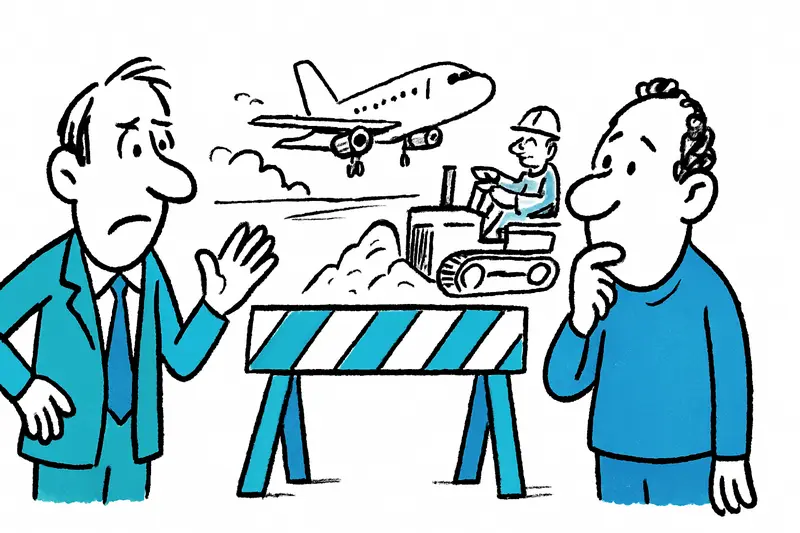
One Year of Construction on the SOUTH Taxiway: Will Chaos and Delays Threaten Palma Airport?
One Year of Construction on the SOUTH Taxiway: Will Chaos and Delays Threaten Palma Airport?
Starting in November, the renovation of the SOUTH taxiway at Palma Airport begins. One year of construction, €22 million in costs and temporary operational restrictions: How is the island preparing?
One Year of Construction on the SOUTH Taxiway: Will Chaos and Delays Threaten Palma Airport?
What the planned works mean — and how we on Mallorca can still get through everyday airport life without pain
Key question: How big is the disruption potential for passengers and for Mallorca when, from November, the SOUTH taxiway at Palma Airport is renovated for about a year?
If you grab an espresso on Passeig Mallorca in the coming weeks and then look toward the airport terrace, you won't see anything dramatic: a few baggage handlers, the taxi rank being relocated and taxis rolling in and out, the usual loudspeaker announcements. Behind this calm, however, lies a construction site with a clear schedule. The SOUTH taxiway will receive a completely new pavement; the project is estimated at around €22 million. The contractor is a consortium of Matías Arrom Bibiloni (MAB) and Sampol Ingeniería y Obras. The renovation is expected to take about one year. The measures are intended to eliminate cracks and age-related wear and to improve structural load-bearing capacity.
Technically, it's not just about asphalt: in several places the slopes of the taxiways are no longer ideal, safety margins need to be revised, markings, signs and parts of the supply lines will be renewed. In addition, a plan coordinated with the national air navigation authority foresees relocating a holding point on taxiway H10. All of this is related to European requirements for safety on the ground network.
What this can mean for flight operations is actually predictable: during certain construction phases, connections on and beside the taxiway will be unavailable. Aircraft will then be routed via alternative routes between the runway and the aprons. In short: tighter ground routes, more coordination, potentially less flexibility in routing aircraft. In the worst case we will see longer taxi waits, extended handling windows and thus delays that ripple through the day's operations.
Authorities emphasize that the work will be carried out while operations continue and that construction phases will be scheduled so that impacts remain limited. That is a technically difficult task. If you are sitting in the departures area you may not immediately notice phases with construction-related restrictions. But if you are waiting on the taxiway for a delayed plane or rely on the bus lane for departure, you will feel it sooner. A snapshot from practice: in the morning, when the wind is light from the sea, trolley wheels stand on the terminal floor and the voice of a controller drifts in from outside — now smaller delays become more visible.
What has been missing from the public discussion so far? First: a clear, publicly accessible phase calendar with expected closures of the taxiways. Second: reliable data on the expected capacity losses per construction stage and how airlines should adjust their slots. Third: concrete support measures for travelers, such as additional check-in counters or clear rules for connecting flights.
A sober risk analysis shows: the greatest danger is cumulative effects. Individual 10–20 minute delays are annoying but manageable. If they bundle during peak times, they condense into longer delays and missed connections. This affects visitors and locals alike: business travelers with tight meetings, families with connecting trains or rental car bookings — everyone is affected.
Concrete solution approaches
Plan proactively: Aena and the airport operator should publish a public construction calendar that not only lists dates but the expected impacts per phase including possible closures.
Better coordination with airlines: Create slot buffers, enable flexible rotation plans, and define priorities for connecting flights. Airlines should plan their rotations to be more resilient, allowing more buffer between arrival and departure.
Communication for travelers: Ongoing status updates at the airport, SMS/email alerts when delays are forecast, and involving rental car and bus companies so that connections can be better organized.
Operational measures: Night and off-peak work, modular closures instead of full shutdowns, use of diversion taxiways and temporary routings so that capacity is preserved as much as possible.
Staff and logistics: More ground staff on critical days, additional buses between terminals and park-and-ride areas, extra baggage handling capacity during peak times.
For Mallorca this is more than a technical intervention. The island depends on tourism; every unnecessary friction at the arrival and departure point has effects for hours in restaurants, taxis and rentals. At the same time, the renovation is an opportunity: after completion ground operations should run smoother, safety increase and operating standards be more modern.
My advice to anyone flying in the coming months: allow more time for arrival and departure, use the airlines' push notifications and be prepared for short-notice gate changes. For companies and authorities: transparency creates trust. Publish plans, communicate honestly about risks and show how alternatives will work in concrete cases.
Conclusion: Renovating the SOUTH taxiway is technically necessary and the right long-term step. In the short term it brings friction to an already tight airport operation. Whether this friction remains manageable or develops into a lasting problem now depends on planning and coordination between the airport, air traffic control and the airlines. Those who organize this well in Mallorca not only protect the airspace but also the island's economy — and the relaxed view from Passeig Mallorca over the apron.
Frequently asked questions
When is the best time to visit Mallorca for good weather and fewer crowds?
Can you swim in Mallorca year-round?
What should I pack for a Mallorca trip?
What are the top activities to do in Mallorca?
What should I do for a day in Palma de Mallorca?
Is Sóller worth visiting during a Mallorca trip?
Why choose Alcúdia as a base for exploring Mallorca?
Is Cap de Formentor worth a day trip from Mallorca?
Similar News
Why the Paseo Marítimo is deserted at night — and what Palma could do now
After the redesign the Paseo Marítimo often feels quieter in the evening than before. Relaxing rules alone won't solve t...
Surprising — why German visitors fell in July and Mallorca still isn't collapsing
In July about 597,889 German visitors arrived in the Balearics, 4.06% fewer than the previous year. What do falling arri...
One Year of Construction on the South Taxiway: How Well Is Palma's Airport Prepared?
The South taxiway will be refurbished from November for around twelve months. The works cost about €22 million and could...
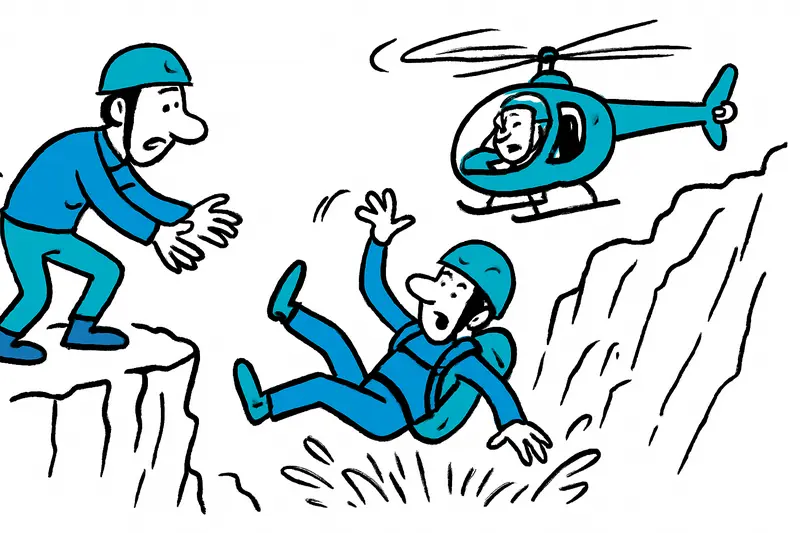
Serious canyoning accident in Sóller: What the fall in the Torrent de ses Llemes reveals about safety on the island
A 51-year-old man fell about seven meters in the Torrent de ses Llemes. Helicopter rescue, handover to an advanced emerg...

When the tradesman crosses the line: An assault in Palma and what's missing now
A woman reports a sexual assault by a plumber in Palma. The National Police arrested a suspect who was later released. W...
More to explore
Discover more interesting content

Boat Tour with BBQ along Es Trenc Beach

Private transfer from Mallorca Airport (PMI) to Pollensa
