
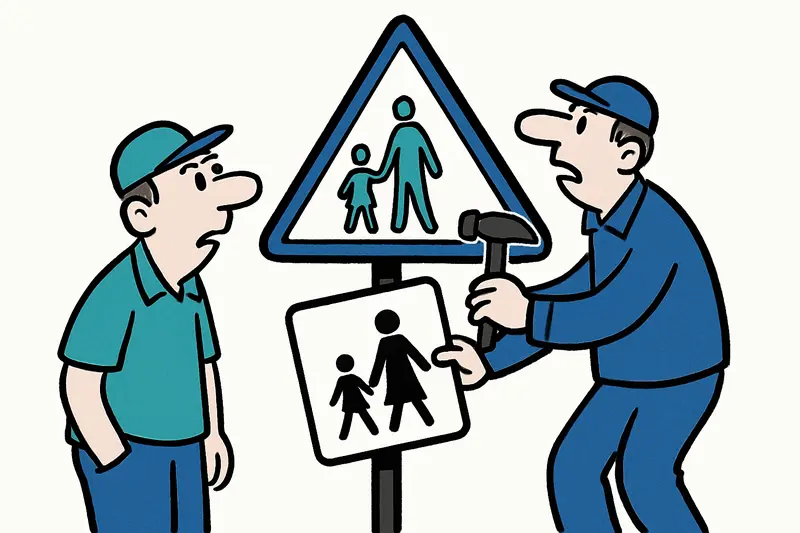
New Traffic Signs in Mallorca: Smaller Design, Clearer Signals
Since this summer new traffic signs have been appearing in Mallorca: simpler pictograms, smaller boards and indicators for charging points or hydrogen at petrol stations. What this means for locals, cyclists and tourists — a local perspective.
Why different signs are suddenly appearing on the roads
Anyone who in recent weeks drove along the Ma-20 to the newsroom with an espresso in hand may have noticed: the signs look different. First a single one, then several — at the roundabout in S'Arenal, on the exit towards Palma, even along the Carretera de Sóller. Not a flashy large-scale project, but rather small, almost unobtrusive changes. Spain's new traffic sign regulation, passed in June, brings a more modern, more economical appearance to our island; for background see Traffic signs in Spain.
What's new?
Short: fewer frills, clearer lines. Many pictograms have been standardized. The symbols for cycle paths, train stations or petrol stations are simpler and easier to read. Especially practical for the island: petrol station signs now indicate whether charging points, hydrogen or other alternatives are offered. A small sign therefore communicates more — a plus for EV drivers, rental car customers and the growing number of tourists with electric vehicles.
The boards are overall smaller. This is not just an aesthetic step but a gain in resources and space: less material, less weight, lower production costs. On narrow roads around Fornalutx or in the old town lanes of Palma this makes a lot of sense.
More neutral figures, fewer clichés
One of the more noticeable details: warning and information signs dispense with classic father-mother-child motifs and show more neutral silhouettes. For some a cosmetic change, for others a visible sign of social development. I remember the first glance on the Passeig Marítim — briefly puzzled, then back to everyday life: you get used to it, just like the clatter of the fishing nets in Portixol harbour.
No immediate overhaul — and that's a good thing
Anyone now thinking of a wholesale replacement can breathe easy. Old signs will remain until they need to be replaced or are damaged. That also means: driving lessons and the theory questions for the driving licence remain stable for the time being. The changeover is taking place step by step — a pragmatic solution for an island that above all needs to function well during the high season. For related regulatory updates see V16 Mandatory in Mallorca: What Drivers Really Need to Know.
What does this mean for people in Mallorca?
For locals it mainly means: less guessing at junctions, clearer indications in tourist hotspots like Mercat de l'Olivar or the harbour, and even practical improvements at transport hubs such as New Signage at Palma Airport: Luggage Drop-Off Made Easier. For cyclists and e-scooter users, more precise pictograms are a benefit — on narrow paths at Playa de Palma or along the promenade you quickly notice how a small change in the image improves orientation; this is discussed further in Is a 1.5‑meter sign enough to protect cyclists in Mallorca?.
The change also makes sense for tourism. Many visitors understand symbols faster than text in a foreign language; a clear icon saves time and increases safety — especially at approaches to the Serra de Tramuntana or on descents towards Andratx.
A small tip for everyday life
On your next market visit or walk through the old town, simply keep your eyes open. The new signs tell small stories about change and sustainability: smaller boards, indications for charging stations, neutral figures — and incidentally a sign that small changes are quietly taking place in Mallorca.
If desired, the replacement can be used: towns and municipalities could improve problematic spots at the same time when renewing signs. A new, clear indication at the roundabout in S'Arenal could, for example, ease the morning commuter traffic. An unspectacular but useful opportunity — typically Mallorcan: pragmatic, a bit slow, but usually with a good outcome.
Frequently asked questions
What are the new traffic signs in Mallorca, and why do they look different?
Will old traffic signs in Mallorca be replaced all at once?
What do the new fuel station signs in Mallorca mean for electric car drivers?
Are the new signs in Mallorca easier to understand for tourists?
Why are the new traffic signs in Mallorca smaller?
What changed with warning signs in Mallorca?
Do driving lessons and theory tests in Mallorca change because of the new signs?
Where in Mallorca are the new traffic signs already visible?
Similar News
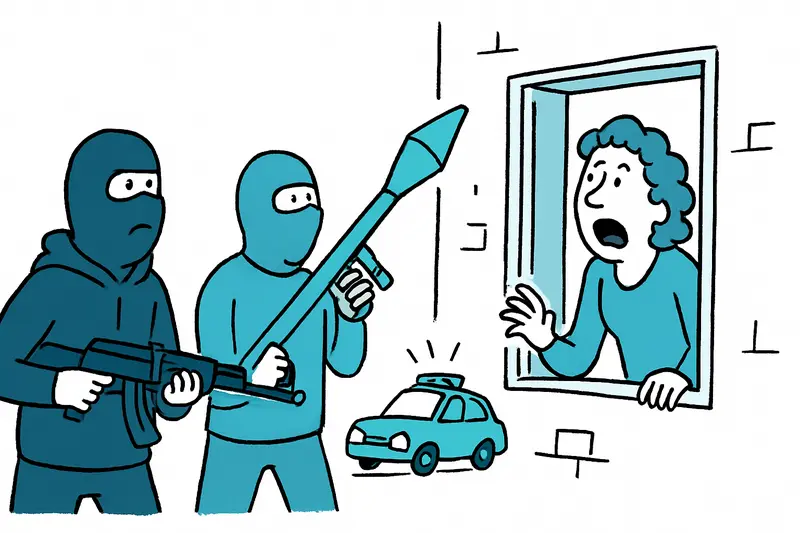
Masked Images, Real Panic: When Social Media Aesthetics Alarm Neighbors
Five German content creators filmed on a recently vacated detention site using deceptively realistic props. The result: ...
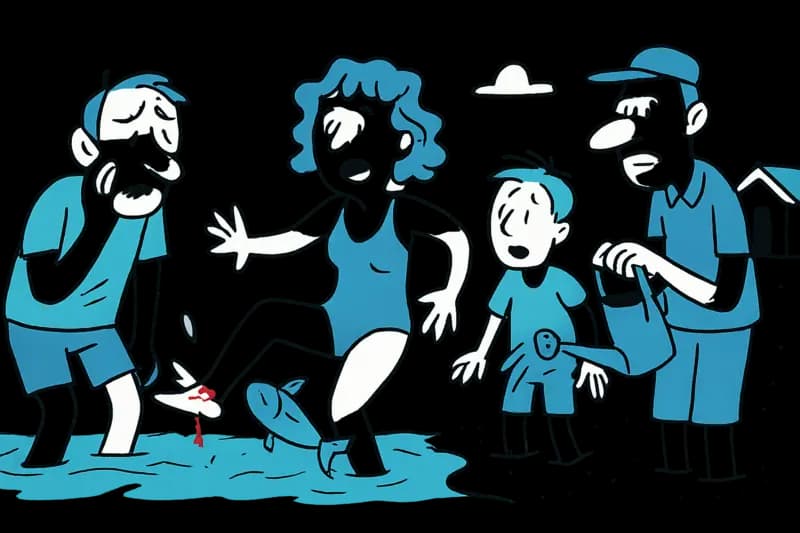
Why the Striped Breams in Cala Pí Should Be a Wake-up Call
Once again bathers in Cala Pí were surrounded while swimming by small, nippy fish — some wounds bled. Time for clear rul...
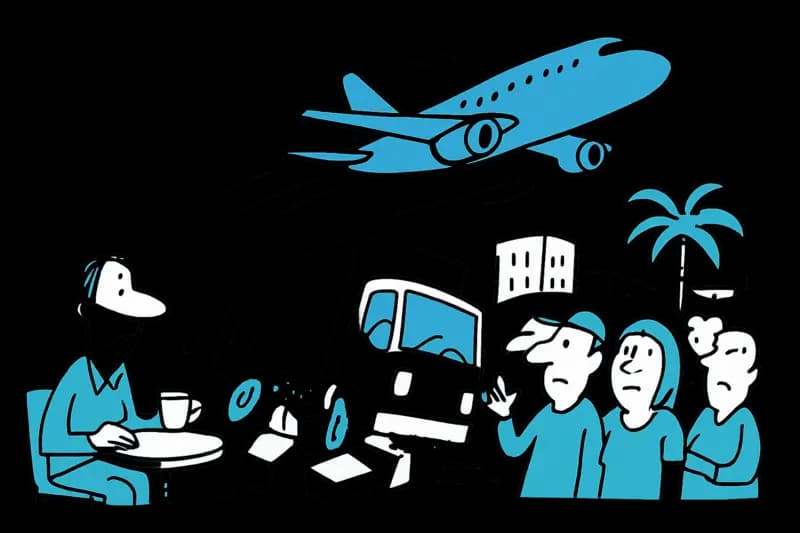
Daily from New York: How Palma's Air Traffic Is Growing — and What Must Change
United will increase the Newark–Palma service to daily flights in 2027 (Boeing, 231 seats). Strong tourist numbers clash...
When Love Ends in Shards: Destruction in Son Vida and the Questions That Remain
In Son Vida a relationship dispute escalated: a woman destroyed furniture in a luxury villa, later pressed a panic butto...
Who Bears the Burden? Mallorca Between Tenant Protection and Landlord Fears
Madrid's new housing decrees strengthen tenant rights — but on Mallorca concern is growing: will the law drive small lan...
More to explore
Discover more interesting content

Can Cap de Bou

Townhouse Lleo 72
