
Tropical nights in Mallorca at the end of May – How are we preparing for warmer nights?
Tropical nights in Mallorca at the end of May – How are we preparing for warmer nights?
Several nights in early May remained warmer than usual on Mallorca: measurements showed nighttime temperatures up to 21 °C. What does this mean for daily life, health and urban planning?
Tropical nights in Mallorca at the end of May – How are we preparing for warmer nights?
Key question: Are these unusually warm nights a one-off – or the new normal for the island?
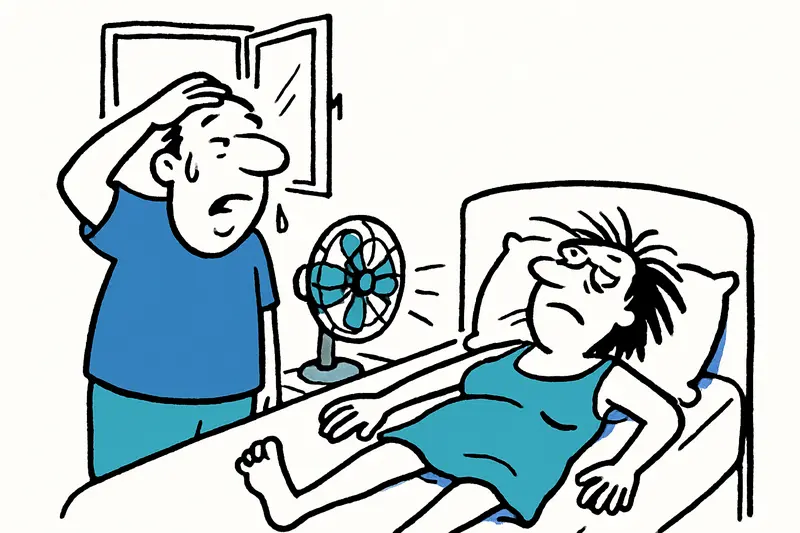
This week many residents of Mallorca left their windows open and still experienced hardly any cooling: in Capdepera, observations since 24 May show temperatures never fell below 20 °C. The national weather agency AEMET recorded minimum temperatures of around 21 °C on Saturday night at stations such as Portopí, Banyalbufar and Capdepera, and about 20 °C in Colònia de Sant Pere and Puerto de Sóller. Daytime temperatures climbed above 30 °C in many places, while a typical May usually ends nearer 25 °C. Notably, official heat warnings were not necessary despite these values.
The streets feel different than the numbers suggest. At the Plaça de Cort in Palma people were still sitting with café windows open last night, little air moved through the Passeig de Born, and near the windmill ruins of Capdepera I heard voices longing for a cool breeze. The air carried an odd mix of exhaust, sea and warm vegetation – not a light, dry summer breath but a sticky night that makes falling asleep difficult. A similar shift into evening life occurs during intense heat episodes, as noted in Nearly 40 °C: Mallorca's Daily Life Under Heat Stress.
Critical analysis: meteorologically this development is not entirely surprising. A warm air mass over the Iberian Peninsula, combined with moist Mediterranean air and weak winds, keeps nighttime temperatures high. Coastal sites feel the sea as a heat reservoir: the water releases stored energy and prevents large temperature swings. In cities the so-called urban heat island effect adds to this: asphalt, building surfaces and little greenery store heat during the day and release it again at night.
It is important to emphasize that individual nights do not by themselves prove climate change. Yet the accumulation of tropical nights – already at the end of May – fits long-term trends described by research, as Third-warmest summer since 1961: More tropical nights shows. This matters for people with chronic illnesses, for older neighbors and for workers doing physical labor. Lack of sleep and night sweating are not trivial; they impair health and performance.
What is missing in the public debate is the everyday perspective. There is much talk about record daytime temperatures and warning levels, less about nights when bedrooms turn into ovens. The debate about air conditioning and energy use remains technocratic: less attention is paid to practical adaptations such as better window shading, night ventilation, and complementary municipal offerings – cooling rooms, longer opening hours for parks, water stations for vulnerable groups.
There are concrete, locally implementable measures: municipalities can keep selected public spaces open longer on warm nights, proactively call elderly residents and strengthen neighborhood networks. Urban planners should prioritise trees and shady corridors along residential areas; green spaces stay cooler at night than concrete. At the building level, white roof coatings, tight roller shutters to prevent daytime heating and simple cross-ventilation concepts in the evenings help. For hotels and restaurants flexible service times are an option: opening later, closing earlier, offering more terraces so guests can use the cooler evening hours.
In the health sector clear recommendations would be useful: simple advice for night care (drink plenty of fluids, wear light clothing, use ventilation), but also municipally organised cooling options on heat-stressed nights. Emergency services should plan for increased demand on such nights – and care homes should review their rest-management plans.
Is something else missing? Yes: sharper monitoring. More urban measurement points would help identify heat hotspots. AEMET provides official values; complemented by local measurements, municipalities could react faster. Tourist infrastructures also need information: seasonal workers, construction projects and event organisers should be prepared for nights that are becoming warmer.
A short everyday scene to finish: in a side street of Puerto de Sóller an elderly woman pointed a fan toward an open door late last night, while two teenagers with skateboards drifted through the warm air. These are small images that show how people react differently to the same heat – some seek cooling, others pause and observe. The question remains how we as a community can make these loud, stale nights less burdensome.
Pithy conclusion: the measurements are clear, the consequences are practical and avoidable. It is not only about alarm but about planning and neighbourly help. Mallorca needs heat-resilient towns, simple municipal offerings on hot nights and a watchful eye on people who cannot simply turn on an air conditioner. How quickly we act will determine whether such tropical nights become routine – or a challenge we meet with smart planning and community.
Outlook: forecasts indicate June will begin with occasional high clouds, morning haze and daytime temperatures similar to or slightly lower than recent values. Winds will mostly be weak from southern directions, with a light sea breeze along the coast in the afternoons. So let us not only look at daytime highs – nighttime warmth is an issue that now deserves lasting attention, even between episodes such as the recent short heatwave that brought late-summer warmth.
Frequently asked questions
Why are Mallorca nights staying so warm at the end of May?
Is it normal to have tropical nights in Mallorca in May?
How hot do Mallorca nights get during a late-May heat spell?
What should I do if my bedroom in Mallorca stays hot at night?
Why do coastal places in Mallorca often feel warmer at night?
What was the weather like in Palma during the warm nights in Mallorca?
How can Mallorca towns prepare for warmer nights more effectively?
Does warm night weather in Mallorca affect health and sleep?
Similar News

When Palma Becomes a Zombie Zone: 'Mallorca Z', AI and the Thought Experiment with Side Effects
A Mallorcan lawyer built a strategy game over a weekend using AI that treats the island as the scene of a zombie crisis....
Learning to Wait: How Leisure Is Making Space Again on Mallorca
Waiting doesn't have to be lost time. A mild October day in Palma shows how small pauses slow down our lives — and what ...
Cala en Brut: Body in the Sea — a Fatal Autumn Day and What’s Missing
In Cala en Brut (Ciutadella) a man's body was recovered during storm Dana "Adam". Why do autumn storms in the Balearics ...
When the road is gone: Port de Valldemossa cut off after storm 'Adam'
After heavy rains a retaining wall gave way and two sections of mountain road MA-1131 became impassable. Why are rural p...

Crypto Promises, Ferry, Arrest: How Investors in Mallorca and the Neighboring Islands Fall into the Trap
A Swiss man wanted under a German arrest warrant was captured in Ciutadella. The case raises questions about cross-borde...
More to explore
Discover more interesting content

Can Cap de Bou

Townhouse Lleo 72
