
When TV Dreams Influence the Island: Healer Searching for a Finca in New 'Goodbye Deutschland' Episode
A new episode of 'Goodbye Deutschland' follows an energy healer searching for a finca in Mallorca. Harmless TV entertainment — or a catalyst for real effects on neighbors, the property market and relations between locals and newcomers?
When TV Dreams Influence the Island: Healer Searching for a Finca in New 'Goodbye Deutschland' Episode
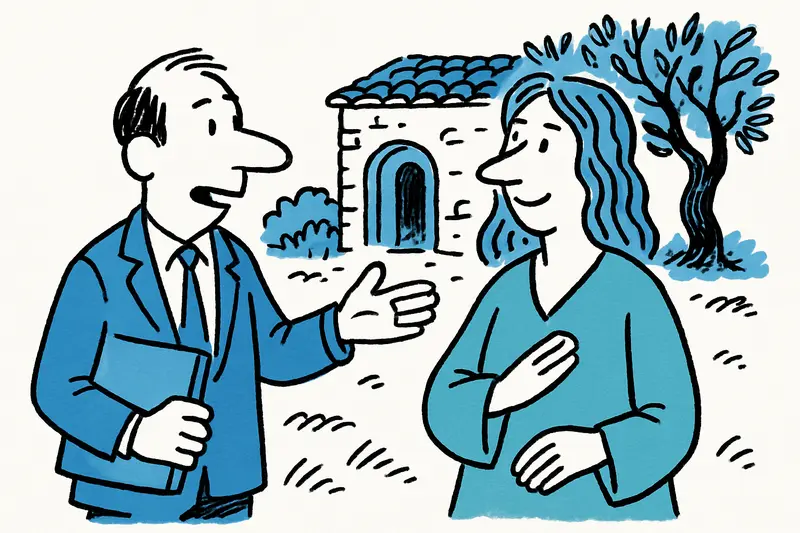
On Friday evening a new episode: healer searches for finca in Mallorca of the emigration series 'Goodbye Deutschland' airs — this time featuring an energy healer who wants to open a 'healing home' in Mallorca. The images show fincas with heavy stone gates, olive trees and the quiet hum of cicadas. Familiar. But the question that lingers is bigger than the pretty shot: what traces does such a story actually leave on the island?
The central question: media image meets island reality
The series tells of a new beginning: back from Berlin to Mallorca, talks with real estate agents, a hard-to-follow search for the 'right energy flow' and a private reunion with a former partner. This is, as many residents would say, anything but spectacular. But when such images run on television, two worlds collide — and that has consequences, as other reality shows have shown, for example When Old Feuds Become Mallorca Fodder: What 'The Reckoning' Does to the Island.
On one side is the offer: an idyllic picture that awakens longings in viewers. On the other side the reality: land searches, development plans, shops suddenly advertising 'spiritual weeks', and neighbors spotting weekend yoga classes at the finca. The show displays the longing but hardly mentions what really lies behind such projects: approval procedures, noise regulations, questions about sustainable water and waste use in rural areas.
Few illuminated aspects — and why they matter
Often it's the small things that are missing. For example: how is a practice for energy healing classified legally? Does it need a business registration, certain insurances or even an official health permit? What effects does an additional target offering have on the neighborhood, which often consists of older Mallorcans who go to bed early and keep their own rhythm?
Another blind spot is the economy: when TV formats fuel demand for certain property types, rents and purchase prices nearby rise, as seen in Emigrants on the Island: Two Couples Start Anew – How Mallorca Benefits. Such 'spiritual fincas' can contribute to a small form of gentrification in rural communities — often not through luxury resorts, but through many individual offers increasingly marketed as 'healing spaces', 'retreats' or 'workshop venues'.
Concrete opportunities and possible solutions
That does not mean new projects are inherently bad. Mallorca thrives on diversity, on people bringing new things. But a little pragmatism doesn't hurt. What could help:
1. Transparent information for newcomers: An easily accessible checklist — from business registration to noise protection and water use — would temper expectations and prevent many disappointments.
2. Local dialogues: Community meetings between residents, new projects and agents could defuse conflicts early. Often an open conversation over a cup of coffee suffices, instead of complaints later via formal channels.
3. Sustainable tourism and property policies: Authorities could pay more attention to how many commercial activities are allowed to emerge in a rural zone. More conscious land use prevents overuse and protects the microclimate many call 'good energy'.
4. Reality in reporting: TV producers could include small fact checks — notes on permits or neighbor rights would make stories less fairytale-like but more useful for the island.
Between irony and empathy
In the end there is also room for a smile: who would not like to walk barefoot through a garden, listen to the cicadas on a summer Saturday and light candles in the evening? That longing is real. It becomes problematic when the screen shows only the ideal and not the long road to get there.
For the people of Mallorca this means: we remain friendly but vigilant. And for those who arrive with a camera in tow: good images are important, but so is responsibility. Because between olive grove and town hall lies reality — and sometimes it needs to be louder than a well-lit TV portrait.
Frequently asked questions
What should you know before opening a retreat or healing business in Mallorca?
Why do fincas in Mallorca attract so much attention on TV and social media?
Can a wellness retreat change life for neighbors in rural Mallorca?
Are there special rules for noise and water use in rural Mallorca?
Why do TV shows about moving to Mallorca influence property demand?
What is the best time of day for a finca retreat in Mallorca?
What should you pack for a rural stay in Mallorca?
How can newcomers in Mallorca avoid conflict with local residents?
Similar News
After Being Admitted to Hospital Again: Heinz Hoenig and the Questions We Should Ask in Mallorca
Long-time Mallorca resident Heinz Hoenig was admitted to hospital again. A clear “what next?” is missing from the covera...
Yellow Alert: Is Mallorca Prepared for the Next Rain Band?
Aemet has issued a yellow alert for the south, southwest and the island's interior. Thunderstorms and heavy rain are for...
Kegel brothers trial postponed: Why Mallorca must wait for a verdict
The trial of 13 German holidaymakers will not begin until May 2028. The long wait raises questions — for victims, defend...
Chaos on Palma's Runway: Why the Summer at the Airport Was So Disrupted
This summer laid bare where Palma airport is faltering: only just over half of departures were on time and seven percent...
Cocaine Offer on Ham Street: Why the Open Trade Should Ring Alarm Bells
In the middle of Pare Bartomeu Salvà a tourist was offered a packet of cocaine as part of a sunglasses deal. A short int...
More to explore
Discover more interesting content

Can Cap de Bou

Townhouse Lleo 72
