
TV tip: 'The Last Problem' — Mallorca as the setting of a classic crime
A classic whodunit on Mallorca: A new miniseries set in spring 1959 brings storm, an isolated hotel and a dense web of secrets to the screens.
TV tip: 'The Last Problem' — Mallorca as the setting of a classic crime
A stormy island drama from the 1950s
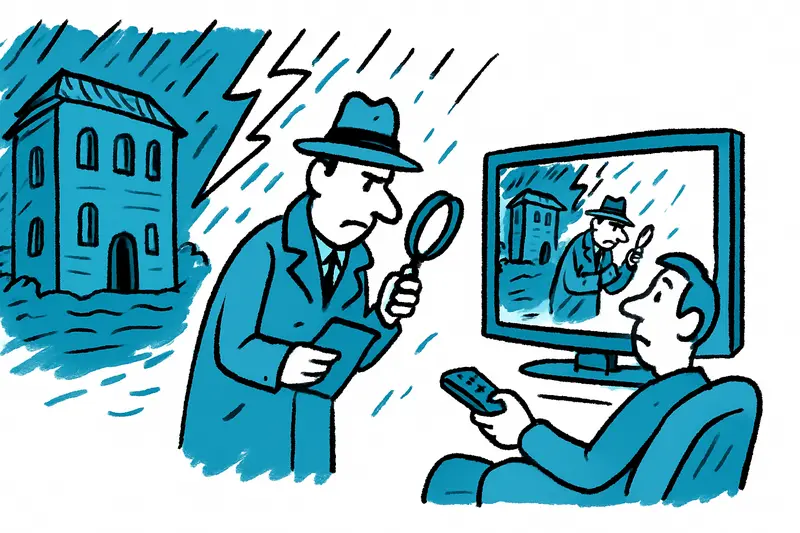
Tonight a multi-part crime series has premiered on Netflix that revisits a familiar pattern: trapped guests, an isolated hotel and a deadly secret. The story is set in spring 1959 on a small, lonely island off Mallorca. When a violent storm approaches, 13 holidaymakers seek refuge in a house that soon resembles a prison more than a sanctuary.
The series is based on a novel of the same name by Arturo Pérez-Reverte. At the center are two characters who together question the guests: Basil, a former actor who once played a detective, and Foxá, an aspiring crime writer. When a British holidaymaker is found dead, an old-fashioned process of investigation and interrogation in the best sense begins. The mysterious Adela Figueroa quickly comes under the two men's scrutiny.
This afternoon I saw people on the terrace of a café on Passeig Mallorca watching the trailer on their phones. It was hot — AEMET reported 30°C for Palma — and yet there was a peculiar sense of anticipation: crime stories work here just as well as anywhere else, only with the special sound of seagulls and the distant roar of the sea as a backdrop.
Why is this series worth watching for those of us on the island? First: It's rare for stories to be set explicitly in the surroundings many of us know, even if the action takes place on a fictional satellite island. Second: TV productions draw attention to locations, craftsmen and service providers on site — and sometimes also bring jobs for local teams. Third: the setting acts like a mirror: Mallorca as a backdrop for secrets, not just a postcard idyll.
Those who enjoy the feel of classic puzzle stories — conversational sequences in an isolated house, characters who gradually reveal their motives — will find exactly that here. It's less about high-tech thrillers and more about psychology and observation. If you haven't read the novel, you may become curious after watching; if you have read it, you'll compare the adaptation and recognize familiar corners of the island.
A few practical tips: You can watch the trailer on the go, but the series is better suited to a cozy evening on the sofa or by a living-room window with a view of Palma's lit rooftops. In the low season, when the streets are quieter and the light gives longer evenings, it works particularly well. A friend in Portixol suggested pairing the episodes with a glass of Mallorcan red wine — not a bad idea, I think.
For the island, such a production means more than entertainment. It sparks conversations: about Mallorca's history, about low-season tourism, about the people who work here when the cameras are gone. For local cultural venues it's an opportunity to organize small tours or events that link the literary source with the filming locations — provided the production used Mallorca locations and made that public.
Conclusion: If you're in the mood for a restrained, dialogue-driven crime story, 'The Last Problem' offers a series that listens more than it shouts. It takes place in a roaring time before ours — and reminds us how much landscape and weather shape a story's mood. Best: open the window, let in some sea air, start the episode and decide for yourself who in that stormy hotel gets the last word.
Frequently asked questions
What is The Last Problem about and why is Mallorca the setting?
Is The Last Problem worth watching for viewers on Mallorca?
What is the ideal viewing setup for The Last Problem on Mallorca?
Which Mallorca locations or visuals does the show evoke?
What themes does the series explore beyond a simple murder mystery?
How does Mallorca's weather and landscape influence the show's mood?
Can The Last Problem inspire local cultural events or tours in Mallorca?
Is The Last Problem faithful to Arturo Pérez-Reverte's novel, and what should readers expect?
Similar News

"Expensive chaos" and many open questions: What clients can do when a lawyer suddenly stops responding
Several clients complain that a well-known German lawyer in Mallorca has been unreachable for months. Key question: What...
Nipping Sea Creatures: Why Bathers in Cala Major and Elsewhere Should Be Cautious
In Cala Major, bathers have reported being nipped by small fish. What is behind it, how can problems be avoided — and wh...
Forced eviction in Santa Catalina: When a 65-year-old slept in her car and showered on the beach — a question of responsibility
The story of Pilar López from Santa Catalina represents a problem affecting many Mallorcans: How can an island with a bo...
New traffic rules from October 1: What Mallorca visitors and locals need to know
From October 1, 2026, Spain will implement far-reaching changes to traffic regulations. Important for Mallorca: greater ...
More water than last year: Mallorca's reservoirs breathe easier
September rain refilled the Tramuntana's reserves: overall fill around 35 percent, Cúber at 40.42 percent, Gorg Blau at ...
More to explore
Discover more interesting content

Can Cap de Bou

Townhouse Lleo 72
