
Alarm among Uber drivers in Mallorca: Safety apparently put at risk
Drivers report worn tires, unreliable brakes and a lack of response from the company. Who bears responsibility — and what needs to happen now to ensure passengers are not put at risk?
Alarm among Uber drivers in Mallorca: Safety apparently put at risk
Early in the morning, when the Tramuntana breeze still blows the moisture from the palm leaves and the construction lights on Avinguda de Gabriel Roca blink, people get into taxis, rental cars and also Uber vehicles. At first glance many of these cars look unremarkable – but behind the wheel several drivers tell a different story: Conductores de Uber en Mallorca alertan: vehículos con fallos que pueden ser peligrosos. Heavily worn tires, brakes with long reaction times, dashboard warning lights that glow constantly. The central question suddenly becomes clear: Who is putting health and lives at risk in Mallorca — and why is so little being done?
Specific defects, specific concerns
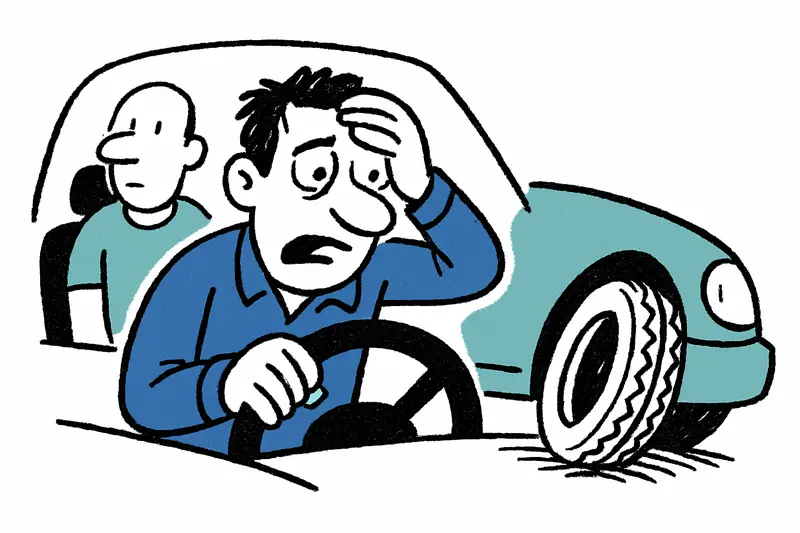
Several drivers have sent photos and notes: tread that looks like summer tires from five years ago, brake lines with surface rust, warning lights that cannot be explained. "I once thought I had a flat — but it was the brake that gave way," says a driver who has been commuting for years between Portixol and Playa de Palma. Such sentences recur in phone calls and in parking lots where people meet after shifts. The sound of brakes like crumpling packing paper and the flicker of the road at dusk are not abstract images here, but everyday reality, as detailed in Conductores de Uber en Mallorca alertan sobre coches en mal estado.
Who bears the responsibility?
Unions and the works council point not only to individual garages but to structural failures: a change in company leadership apparently shifted priorities; maintenance schedules were allegedly neglected, complaints were recorded confidentially but not processed. Drivers say they often have no choice: their trade allows them to use vehicles that are formally registered — but practical maintenance lies in a grey area. Is the platform merely an intermediary or an employer with a duty of care? See Uber's driver requirements. This question goes beyond individual cases and affects the regulation of digital mobility services in Mallorca and across Spain.
What is missing from the debate
Little discussed is how the economic logic creates pressure: drivers face time and price pressure, and the incentives for quick fixes instead of thorough maintenance are high. Often unmentioned as well is the role of Spanish insurance association (UNESPA). If an airbag does not deploy or the brakes fail, complex liability issues arise quickly — and insurers look closely at whether regular inspections can be proven. The practice with rental or leased vehicles and subcontractors also creates gaps in responsibility.
Concrete steps needed now
The call for labor inspectors to carry out checks is right — but it is only a start. Concrete measures could include:
- Mandatory digital maintenance logs: Accessible to drivers, authorities and insurers.
- Regular, unannounced inspections: Not just paperwork, but actual test drives and visual checks, similar to vehicle inspections (ITV) in Spain.
- Clearer cost allocation: Who pays for wear parts — the platform, the registered owner or the driver?
- Subsidized maintenance programs: Partnerships between platforms and local garages in Mallorca to enable quick, transparent repairs.
What passengers and drivers can do now
Passengers: Pay attention to unusual noises, check the dashboard lights if you are uncertain or opt to get out. In Palma, when the lights on the Passeig flicker, every second counts.
Drivers: Document defects in writing, request copies of maintenance records and file formal complaints with employer representatives and the labor inspectorate. Together with the works council, more can often be achieved than alone.
Chance for change
As unpleasant as the situation sounds, it also offers a chance: a transparent maintenance architecture could make Mallorca safer — for locals and visitors alike. Garages could enter fixed partner agreements with mobility services, insurers could offer maintenance discounts, and the island could serve as an example of how tourism, occupational safety and traffic safety can be brought together. Until then: awareness instead of ignorance. And yes, the coffee at the harbor tastes better when you know your return trip is not left to luck.
Our editorial team remains on it: We are monitoring developments and will report as soon as the labor inspectorate publishes results or the company responds, following earlier coverage such as Uber drivers sound the alarm in Mallorca: defects, long shifts and the question of oversight. Safety is not a luxury — it is a daily duty.
Frequently asked questions
Are Uber cars in Mallorca always checked for safety?
What should I do if an Uber in Mallorca seems unsafe?
When is it better to avoid swimming in Mallorca because of the weather?
What is the best time of year to use taxis or ride-hailing in Mallorca?
Is the Avinguda de Gabriel Roca area in Palma busy for early-morning traffic?
Why are Uber drivers in Mallorca concerned about vehicle maintenance?
Who is responsible if a ride-hailing car in Mallorca has a defect?
Can drivers in Mallorca report unsafe vehicles to the labour inspectorate?
Similar News
First Day, First Consequences: What Palma's Rent Freeze Really Means
A new decree stops a planned eviction in Palma — but what really changes for tenants and landlords? A reality check with...
When Housing Becomes a Matter of Survival: Mallorca Between Rental Frenzy and Everyday Life
The case of 87-year-old Maricarmen showed that on Mallorca many people's lives are poised between affordable and uninhab...
Autumn in Mallorca: When Melancholy Gets a Window
Why autumn quietly tightens here — and how to make use of the mood: walks, culture, candles and the light from Palma to ...
Near-miss on Lanzarote: Landing Ryanair Jet and Iberia Takeoff — what really went wrong
On Lanzarote there was a dangerous incident: A Ryanair flight (FR5910) from Dublin landed on runway 03 while an Iberia E...
Eurowings introduces new Premium Business seats on Mallorca routes
From December 1, selected Eurowings flights to Palma and other destinations will feature eight particularly generous sea...
More to explore
Discover more interesting content

Can Cap de Bou

Townhouse Lleo 72
