
Uber drivers sound the alarm in Mallorca: defects, long shifts and the question of oversight
Drivers in Palma report flat tires, weak brakes and airbags that did not deploy. The central question: Who ensures vehicle safety — the operator, the authorities, or both?
"You can hear the metal clinking" — Uber drivers in Mallorca demand more safety
On a hot morning on Passeig Mallorca, drivers sit in the shade of a lemon tree and speak quietly but firmly. Their voices carry concerns, not exaggerations: tires bursting while driving; brakes that feel spongy; and an airbag that did not deploy in an accident. Mustafa Rami, chairman of a drivers' association in Palma, set the tone: "We demand safe cars and fair shifts."
The key question: Who bears responsibility?
The central question running through all conversations is simple and urgent: Who controls safety when operators remain silent and drivers are under pressure? On Mallorca, where the streets hum in summer and ferries whistle in Portixol, these are not theoretical debates. It is about the lives and health of drivers and passengers.
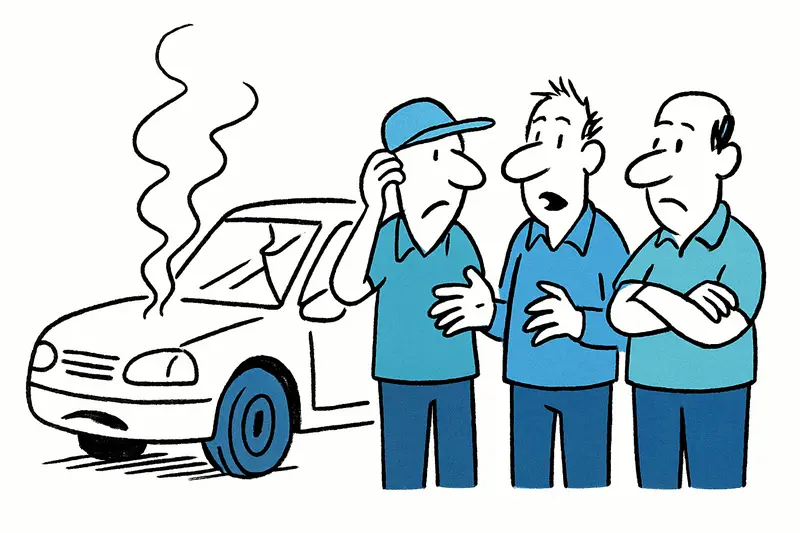
Drivers speak of a fleet of around a hundred vehicles. Models that should be reliable appear to be poorly maintained, as documented by local reporting: Mallorca Magic report: Uber drivers warn of vehicles with dangerous faults. WhatsApp groups are full of photos: worn tires, smoking engines, repair bills and notes about missing inspection certificates; there are even Mallorca Magic reports on cars missing ITV inspections. At least one driver was left stranded on a country road with a gearbox failure; on Avinguda Argentina a car once stood with a smoking engine — fortunately it was early.
A look behind the scenes: economic pressure as a cause of accidents
What is less often highlighted is how closely technical defects are linked to economic pressure. Many drivers work twelve to fourteen hours a day, report too few breaks and lease or rental arrangements that make repairs difficult. When every euro is counted, maintenance is the first thing to be cut. This is not an excuse, but an explanation: when contract conditions decouple upkeep from responsibility, safety suffers.
Also: who actually owns the vehicles? Vehicles are often registered within complex subcontractor chains. Such structures make it harder to assign responsibility and to carry out inspections. Insurance issues and defect reports then tend to get lost in long bureaucratic corridors.
What has happened so far — and what is missing
The drivers have filed a collective complaint with the labor inspectorate. Authorities say they are reviewing it, according to those affected. The operator has so far remained silent. As long as that continues, mistrust grows. Residents who regularly rely on ride services hear the stories and become nervous: a woman in Portixol says she is reluctant to get in if the car "sounds strange." Understandable.
Importantly: technical inspections do exist — but apparently they are not sufficient or are being circumvented. For basic information on how ITV inspections are supposed to work, see the official ITV information from the Dirección General de Tráfico. Similar problems have been documented in other cities; the pattern repeats itself.
Concrete steps that are needed now
The affected parties name three central demands: stricter technical inspections, shorter shifts with clear break rules and transparent maintenance schedules. These are good starting points. From a journalistic perspective, these demands can be specified and expanded:
1. Independent, regular testing stations: The island administration could deploy mobile testing stations at hotspots like Avinguda Argentina and Passeig Mallorca. Spot checks should also be carried out at night when the fleet is heavily used.
2. Digital maintenance records visible to drivers and passengers: A mandatory, tamper-proof maintenance log in the driver profile of the booking app would create transparency. Anyone could check it before a ride.
3. Working time controls and minimum breaks: Clear limits on shift lengths, documented and enforceable; fatigue is a risk factor just like worn tires, and international guidance on working time and rest breaks can inform policy development, for example the ILO information on working time and rest breaks.
4. Sanctions and incentives: Fines for operators who neglect maintenance, combined with insurance discounts for demonstrably well-maintained vehicles.
5. Promotion of driver cooperatives: When drivers have more say — for example through cooperatives — they are often more willing to invest in safety.
Outlook: oversight, transparency and a bit of healthy local pressure
Authorities are reviewing the complaints. Whether and how quickly visible measures will follow remains uncertain. On the streets of Palma people are currently looking more often under the hood than usual. That is not a pleasant summer soundtrack.
Realistically, a combination of administration, inspections and pressure from drivers and residents is needed. Small steps could have a quick impact: mobile inspections, clear shift rules and a digital maintenance record would restore trust in Portixol, on Passeig Mallorca and elsewhere. Until then: if in doubt, ask the driver for the maintenance documents — and hope the next clinking is just a can and not an alarm.
Frequently asked questions
Are Uber cars in Mallorca always properly maintained?
What safety problems have Uber drivers reported in Mallorca?
Why are Uber drivers in Mallorca asking for shorter shifts?
Who is responsible for safety in Uber cars in Mallorca?
Can you tell if an Uber in Mallorca has maintenance problems before getting in?
What does ITV have to do with Uber vehicles in Mallorca?
What parts of Palma are mentioned in the Mallorca Uber safety complaints?
What changes are Uber drivers in Mallorca asking for?
Similar News

Maribel: Five Decades of Service – Housekeeper from Peguera Celebrated with a Special Honor
Over 50 years in the hotel business: María Isabel “Maribel” Molinos was honored in Palma at the Nit del Turisme by Unive...

Orange Alert over Parts of Mallorca: Are We Prepared?
Dark clouds and an announced wet spell have triggered an Orange alert in parts of Mallorca. A reality check: what's miss...

Sundair & Co.: Sale speculation and what it could mean for Mallorca
Rumors about a possible sale of the airlines Sundair and Fly Air 41, which belong to Schauinsland-Reisen — and whether b...
Anne Wünsche in Mallorca: A job offer with a catch — who fits the role of personal assistant?
Influencer Anne Wünsche has left Berlin and is urgently looking for a full-time personal assistant in Mallorca. Why the ...

Daily from New York: Palma Between Boom and Strain
United will increase the Newark–Palma route to daily flights in 2027 using Boeing aircraft (231 seats). What does the in...
More to explore
Discover more interesting content

Can Cap de Bou

Townhouse Lleo 72
