
Up Close with Engine Noise at the Copa: What the Regatta in Palma's Bay Feels Like
Up Close with Engine Noise at the Copa: What the Regatta in Palma's Bay Feels Like
Seen from a press inflatable: sail hulls, terse commands and the steady image of the "Hispania". Why the Copa del Rey is good for the island during these August days.
Up Close with Engine Noise at the Copa: What the Regatta in Palma's Bay Feels Like
A day in the press speed inflatable between waves, photographers and elegant large sailing yachts
When you mix the smell of wet tar and sea salt on the Passeig Marítim with the sound of roaring outboards, you know: the Copa del Rey is back. It's hot in Palma – AEMET reported well over 30 degrees during the day – and yet people in light clothing stand on the quay to watch the sailors. From the pier the bay looks like a huge checkerboard of white hulls and colorful spinnakers.
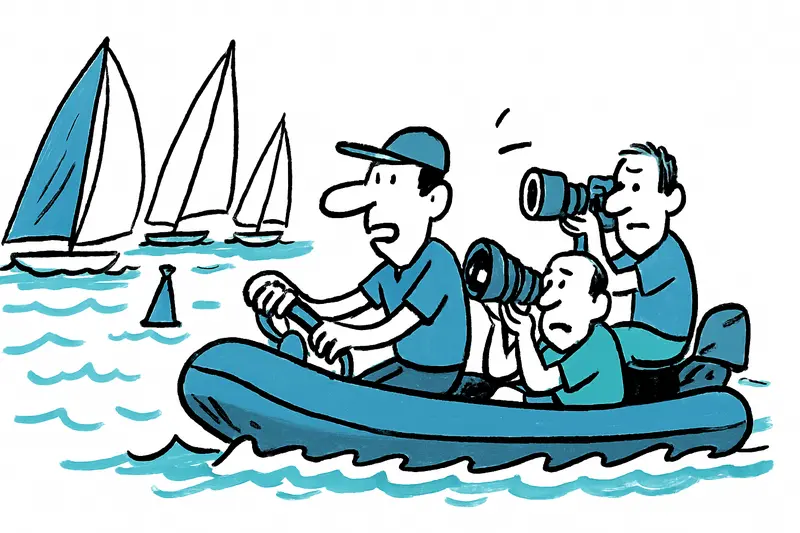
I'm sitting in one of the fast black inflatables that the Real Club Náutico de Palma provides for press trips. The driver starts the engine, pushes us through spray and foam, and immediately there's that raw feeling: speed, the slap of waves against the bow, a constant rise and fall. Photographers behind me raise their shoulders, holding their cameras like a line of defense. The targets are the mark buoys – the conspicuous yellow beacons more than two meters high that serve as reference points for the crews.
In front of us the fleet spreads into two main areas, referred to in the bay as Alpha and Beta. In Alpha the large ORC-A yachts compete: classic hulls, some 12 to 15 meters long, whose crews shout short, precise commands. On one of these boats lies the "Hispania", the current ship on which King Felipe VI sails. When such boats arrive with spinnakers set, they look like sailing sculptures. Searching for pictures we circle close to the course – always at a respectful distance, but close enough to see the wet hands on the lines, the concentrated looks of the helmsmen.
International teams are present as well. On the start list are German boats such as "Halbtrocken 4.5" (skipper: Michael Berghorn) and "Red Bandit" (skipper: Carl‑Peter Forster), the Swiss "Kilara II" as well as yachts from France, Brazil and the USA. In addition to the ORC-A classes, ORC 0, ORC B, ORC C and the fast ClubSwan 42s race; particularly notable is a women's regatta with 15 teams that attracts a lot of spectators.
Those who only see the regatta from the shore miss the small, intense moments. On the water everything is more immediate: a tactical change, a sudden drop in wind, the quiet clack at the mast when a sheet is tightened. During mark roundings the boats sometimes come so close together that you instinctively hold your breath. Then the adrenaline spikes, even for spectators in the inflatable.
The Copa has a long history: it began in 1982 and has known different eras over the decades. Before the pandemic, enormous maxi yachts dominated the scene; today these colossi are rarer "Yasmine of the Sea" in Palma: Luxury, Noise and the Bill for the Island, and the fleet is more varied and international. That changes the tone of the regatta: less spectacle through size, more variety and tricky races that showcase sailing skill.
On the quays from Portixol to the Lonja locals, tourists and photographers stand side by side No More Party Boats at the Auditorium: What's Missing Now and How Palma Should Proceed. Some have a coffee in hand, others bring deck chairs and picnic baskets. Children excitedly point at the boats, older sailing enthusiasts discuss tactics and wind shifts, taxi boats coming ashore chug by. This variety makes the weeks in the bay so lively and is a small, concrete joy for Palma: an event that brings work to local businesses Barcolana in Trieste: What Mallorca's Coasts Should Learn Now and brings people together.
The races run until the coming Saturday, and even though the heat makes some visits breathless, the wind on the water brings cooling – at least for the crews. For those of us watching from the inflatable the image remains: sails in all colors, commands in several languages, and the whole city as a backdrop. If you crave a real sailing feeling, try one of these press boats next time or go to the mole early in the morning when the calm before the start still hangs in the air.
It's not just a sporting event; the Copa del Rey is a piece of Mallorca's summer everyday life: a loud engine, a terse call during a gybe, applause when a team executes a perfect rounding. And with it the small, pleasant certainty that Palma can do this: big boats, many voices and a waterscape that becomes a moment of community.
Frequently asked questions
When is the best time to visit Mallorca for warm, pleasant weather?
Is it safe to swim in Mallorca's sea during summer?
What should I pack for a Mallorca trip?
Which areas in Mallorca are best for beach lovers?
What activities suit families visiting Mallorca?
How does Mallorca's weather affect outdoor plans?
Is it easy to travel between towns on Mallorca without a car?
What should I know about Mallorca's dining and local food scene?
Similar News

Rental Car Theft in El Arenal: What This Incident Reveals About Our Gaps
A teenager steals a running rental car in El Arenal, flees on foot, climbs over walls and is caught by the Guardia Civil...
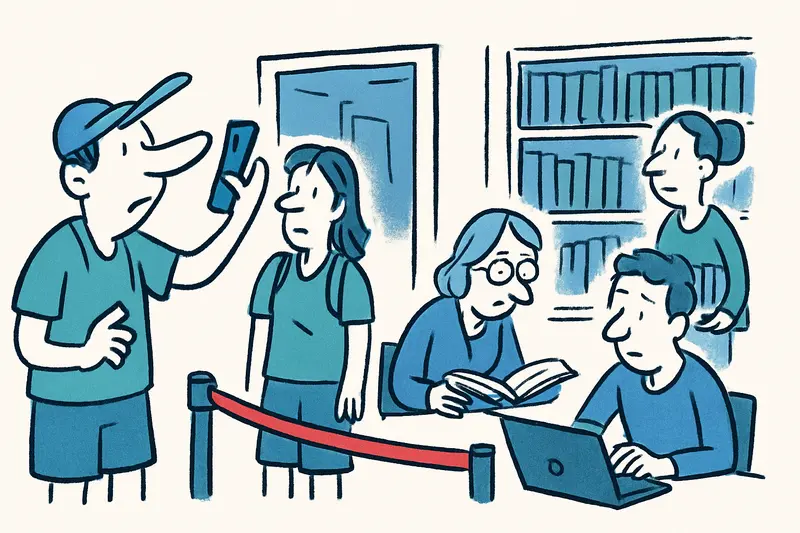
Red Rope in Palma's Library: What Helps Against Selfie Tourism — and What's Missing
Palma's city library cordoned off an area with a red rope to keep selfie tourism away from reading and working activitie...
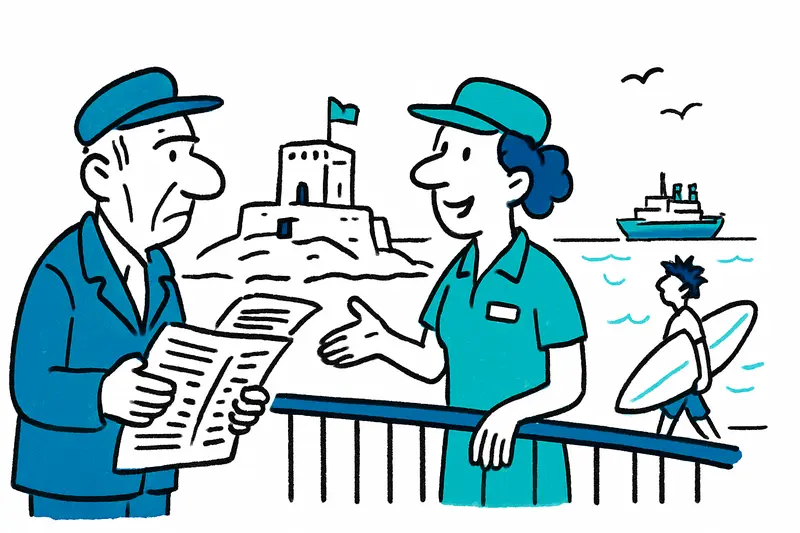
Fort San Carlos: Museum, Harbor Dispute — and a Conflict That Demands Answers
The military museum at Fort San Carlos sits right on Palma's harbor, with unexpectedly quiet rooms filled with cannons a...
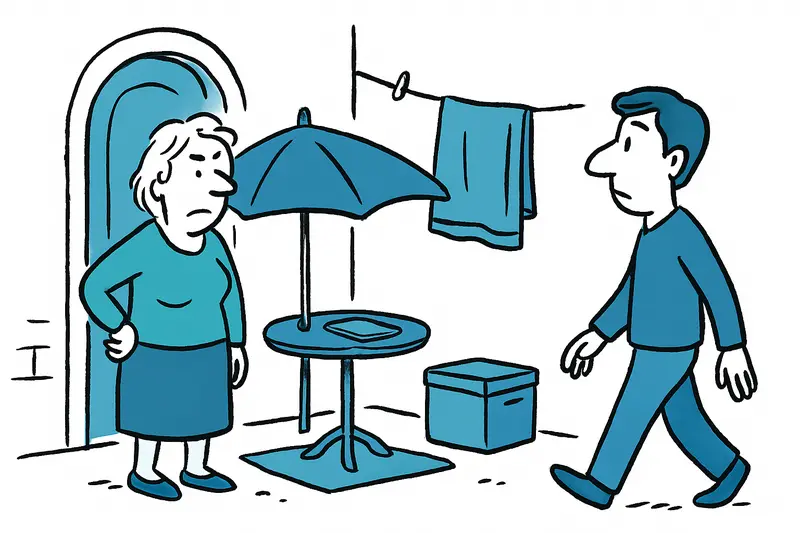
Old Town Under Pressure: When a Doorway Becomes a Sleeping and Shower Place
For months a woman has been living with a parasol, a clothes rack and personal belongings next to the social welfare off...
When Shopping Weighs Heavier: Mallorca Demands a Tax Pause on Food and Fuel
Rising prices are putting pressure on households and agriculture. The Balearic Islands are calling for temporary tax rel...
More to explore
Discover more interesting content

Can Cap de Bou

Townhouse Lleo 72
