
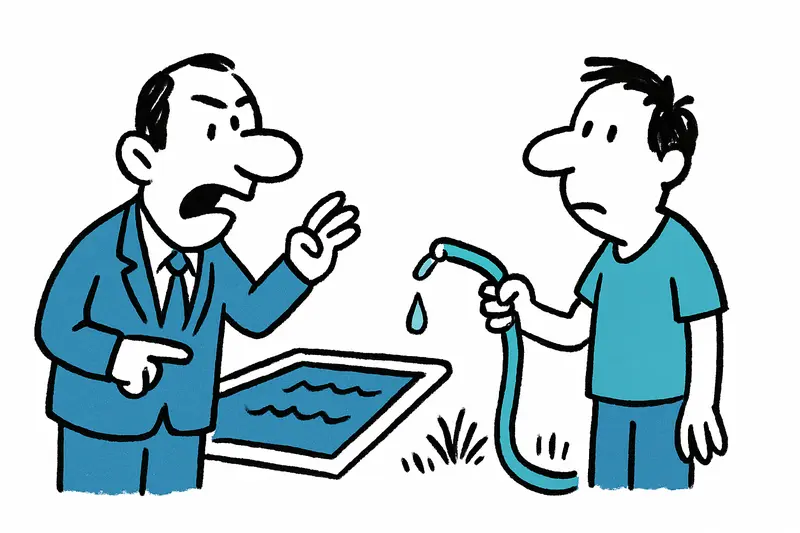
Valldemossa curbs water consumption: Pools and lawns must wait
Valldemossa curbs water consumption: Pools and lawns must wait
The municipality of Valldemossa has immediately banned the use of tap water to fill pools and to irrigate gardens. Mayor Nadal Torres describes the measure as preparation for the summer months. A reality check: Is that enough, and what is missing from the discussion?
Valldemossa curbs water consumption: Pools and lawns must wait
Key question: Are local bans on garden and pool watering enough to carry Valldemossa through the summer?
The narrow streets of Valldemossa are filling with tourists again; on the Plaça older women sit and water their potted plants early in the morning, while plans for summer pool parties are already being made in some villas. The municipality has made it clear these days that tap water may no longer be used to fill pools or to water gardens and lawns. Mayor Nadal Torres justifies this by the need to secure household supplies and prepare for the hotter months, even though well levels have so far shown acceptable readings after the rains, as detailed in Water Emergency in Valldemossa: When the Wells Whisper. Anyone who still wants to fill a pool is supposed to order external water by tanker truck.
Critical analysis: The measure is short-term and administratively easy to enforce; it directly affects private luxury use and is politically understandable. At the same time, much remains unclear: How will it be monitored whether homeowners truly do not draw from the mains? What volume of additional tanker water is available, and at what price? And who pays for the logistics if many households request tanker deliveries at the same time? A municipal ordinance alone does not solve the structural problem; it shifts consumption and logistical burdens without binding coordination.
What is missing from the public discourse: There is little discussion about how resilient the local infrastructure really is; recent coverage in Valldemossa on the drip: When jerrycans are louder than tourist walks documents low tap-water availability. Valldemossa cites well water levels as a guide, but concrete figures are missing, as is a timetable for possible tightenings and clear rules for holiday rental hosts and hotels, which consume far more water than single-family homes. Financial incentives or support for households that want to invest in rainwater use, cisterns or efficient irrigation are also not mentioned. The discussion focuses on bans rather than sustainable alternatives.
Everyday scene: On a sunny morning a delivery van stands in Carrer des Castell and fills water tanks – a well-known neighbor occasionally orders tanker loads to save his old olive tree. A restaurant owner on Calle Major is more worried about the extra bill if the kitchen can no longer use water as usual. Such small scenes show that bans quickly turn into practical problems if replacement solutions are not prepared.
Concrete solutions: First, Valldemossa should set up a transparent information page in the short term – with clear rules, prices and contacts for tanker deliveries and a form to coordinate deliveries to avoid double bookings. Second, staggered usage rules make sense: for example, blackout times for outdoor watering in the morning and evening to avoid peaks. Third, a program to promote rainwater harvesting and greywater recycling for households and businesses is needed; funding pots should be announced locally so owners can retrofit cisterns. Fourth, holiday rental hosts should be clearly included in information obligations: guests must be informed of water restrictions at booking so pools are not filled at short notice. Fifth, the municipality could agree on an emergency plan with water suppliers that defines volumes, prices and priorities in case of shortage.
Technically, further steps are possible: smart water meters, temporary flow restrictions for non-essential connections and publicly accessible catchment basins that are automatically filled during rainfall. A long-term perspective also requires coordination with the Consell and other municipalities in the Tramuntana area, because water scarcity rarely respects municipal borders; When the Tap Becomes a Luxury: Seven Municipalities Tighten Water Rules in Mallorca offers examples of regional measures.
Why this is not just a Valldemossa problem: Temperatures and tourist numbers are rising across the island, the season starts earlier, and as long as each municipality reacts individually, inconsistent rules and potential problem shifting will arise. A common roadmap for the months of increased demand would avoid frictions and create predictability – for locals as well as for businesses and visitors.
Pointed conclusion: The ban on using tap water for pools and lawns is an understandable first step. But it is no substitute for planning, transparency and investment in alternatives. Valldemossa can manage the summer months if the restriction becomes part of a clear roadmap: comprehensible rules, coordinated tanker supply, incentives for rainwater use and mandatory information for the tourism sector. Otherwise it remains a symbolically effective ban that daily forces people and businesses into improvised solutions.
Reflection: On the steps of the church in Valldemossa, where tourists often admire the old world, you now hear conversations about saving water. It is an opportunity to rethink old habits – not only for summer guests but for everyone who lives and works here.
Frequently asked questions
What weather can you expect in Mallorca in late summer?
Is Mallorca still good for swimming at the end of summer?
What should you pack for Mallorca in late summer?
What is Cala Vinyes like in Mallorca?
Is Playa de Palma a good place to stay in Mallorca?
What kind of atmosphere does Cala Millor have in Mallorca?
When is a good time to visit Mallorca for beach weather?
What are the best things to do in Mallorca in warm weather?
Similar News
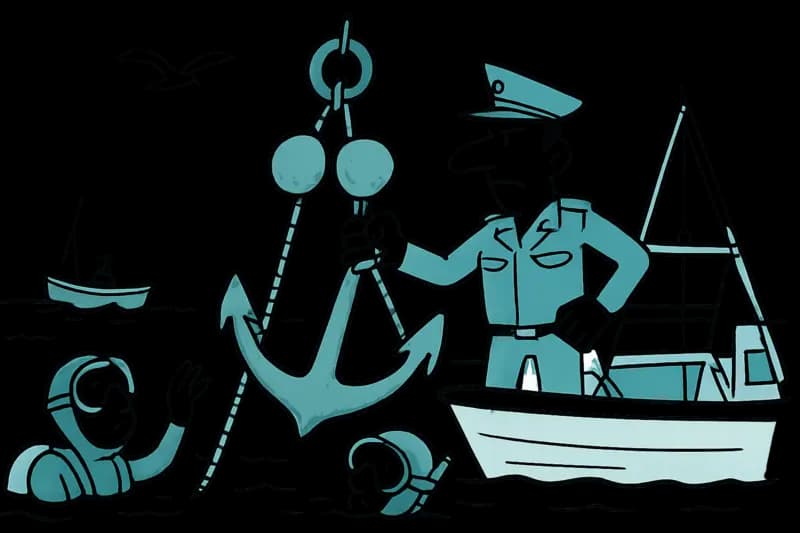
Ancient Piece Brought to Light: Guardia Civil Recovers Roman Anchor Fragment off North Coast of Mallorca
Divers from the Guardia Civil recovered a massive iron piece from Roman times off Mallorca's north coast. The roughly 35...

Who Benefits from the Half‑Hourly Flight on the Edge? Aena, Investments and the Island's Interests
Almost one billion euros is flowing into Son Sant Joan. The figures show the scale of investment and expected beneficiar...

Are the Balearic Islands the Southern Border of Europe? A Reality Check on Immigration
The Balearic Islands are again calling for EU aid after a sharp rise in arrivals by sea. Conflicting priorities between ...

"Expensive chaos" and many open questions: What clients can do when a lawyer suddenly stops responding
Several clients complain that a well-known German lawyer in Mallorca has been unreachable for months. Key question: What...

TV tip: 'The Last Problem' — Mallorca as the setting of a classic crime
A classic whodunit on Mallorca: A new miniseries set in spring 1959 brings storm, an isolated hotel and a dense web of s...
More to explore
Discover more interesting content

Can Cap de Bou

Townhouse Lleo 72
