
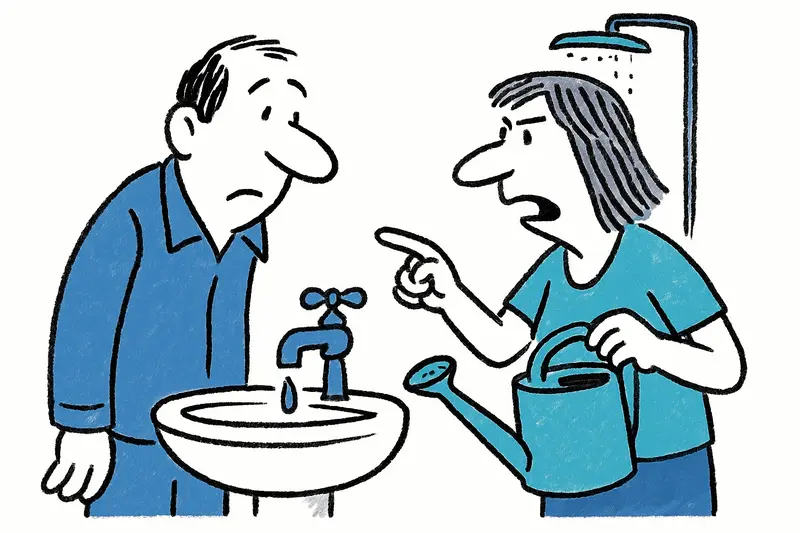
Water Emergency in Valldemossa: When the Wells Whisper
On Mallorca the drought is now being felt concretely: In Valldemossa mains pressure has been reduced, private pools are banned and higher elevations receive water only intermittently. The municipality calls for savings – but is that enough, and which long-term solutions are missing?
Water Emergency in Valldemossa: When the Wells Whisper
In Valldemossa the Plaça Cartoixa sounds different these days: not the rhythmic clatter of watering cans, but the muted trickle of fountains that give less and hushed voices at the town hall. The municipal administration has significantly reduced pressure in the mains network. (Valldemossa's tap water is running low) The aim is clear: to avoid a complete failure in the short term. But the central question is: how do we prevent an acute crisis from becoming a lasting supply problem?
What the measures mean – and who notices first
The rules are tersely formulated: filling private pools is prohibited, and automatic garden irrigation has been stopped. In higher areas – for example around Carrer de sa Rectoria and the side roads to the Puig – taps sometimes run dry. Some households report that water only flows briefly in the mornings. For bakeries on the Calle Major or cafés this is not easy: dough and kitchen work are adapted, and the scent of fresh bread mixes with quiet concern over every drop.
Who the official measures do not fully cover
The often untold side: how are costs and burdens distributed unevenly by the shortage? Older residents and people with reduced mobility are particularly vulnerable because they are less able to collect water from central points. Restaurants and small craft businesses suffer because production processes are harder to interrupt than a private shower. And in higher residential streets it is not only a loss of comfort – low mains pressure can directly endanger sanitary systems, care homes and medical needs.
Why it is not just about this summer
Drought and missing rainfall are the immediate triggers: groundwater levels and well levels have fallen. (Sóller Facing a Drinking Water Emergency: Ten Days Until the Crisis?) But beneath that lies a web of factors rarely listed on the first notices: rising water demand from new housing uses and tourism capacity, outdated infrastructure with losses from leaks, and water management that often reacts rather than plans ahead. The question is whether Valldemossa is only throttling back temporarily – or whether it will rethink planning and investment in the medium term.
Concretely: Which steps could help now
Short term (days–weeks):
- Pressure management: Targeted reduction in less critical zones, prioritizing care homes and medical facilities.
- Mobile supply: Mobile water tanks, as already used in some spots, should be systematically planned for vulnerable households and facilities.
- Leak detection and rapid repairs: An open reporting portal for drips and pipe breaks, combined with a rapid-response team, often saves more water than regulations alone.
Medium to long term (months–years):
- Expand storage: Additional retention basins and underground cisterns can buffer rainy days.
- Rainwater and greywater use: Municipal incentives for rain barrels, simple greywater recycling systems for households and businesses, and clear rules for their installation.
- Infrastructure modernization: Replacement of old pipes, systematic preventive leak inspections, digital pressure monitoring.
- Manage demand: Tariff models that avoid peak consumption, subsidies for water-saving appliances, and stricter rules against filling large private pools during dry periods.
What the municipality is already doing – and what still needs review
Notices are posted at the town hall, staff inform and answer questions. Mobile tanks have been deployed to care homes. These steps are important, but they are stopgap measures. The decisive factor will be whether Valldemossa now collects data: consumption by street, losses in the network, needs of businesses and vulnerable households. Without these figures every measure remains piecemeal.
What people on the ground can do
A few simple routines help immediately: only run dishwashers when full, take short showers, collect rainwater, reuse cooking water for plants. Report leaking taps – the municipality is collecting reports. If you have an elderly family member, offer help when water is only available at certain times. Solidarity creates real resilience.
Valldemossa thus stands as an example for many places on Mallorca: for instance the wider alarm when seven Mallorcan municipalities shut off taps. If the hoped-for showers come, we will breathe more easily. If not, now is the chance to turn improvised thrift into a sustainable strategy before the next dry period catches us unprepared.
Important: Stay tuned to municipal announcements, report leaks and support particularly affected neighbors.
Frequently asked questions
Why is the water pressure low in Valldemossa right now?
Can you still use tap water in Valldemossa during the shortage?
Are private pools and garden irrigation allowed in Valldemossa now?
Which parts of Valldemossa are most affected by the water shortage?
How does the water shortage affect bakeries and cafés in Valldemossa?
What is the municipality of Valldemossa doing about the water emergency?
What can residents in Mallorca do to save water during a drought?
Is the water problem in Valldemossa just a summer issue?
Similar News
First Day, First Consequences: What Palma's Rent Freeze Really Means
A new decree stops a planned eviction in Palma — but what really changes for tenants and landlords? A reality check with...
When Housing Becomes a Matter of Survival: Mallorca Between Rental Frenzy and Everyday Life
The case of 87-year-old Maricarmen showed that on Mallorca many people's lives are poised between affordable and uninhab...
Autumn in Mallorca: When Melancholy Gets a Window
Why autumn quietly tightens here — and how to make use of the mood: walks, culture, candles and the light from Palma to ...
Near-miss on Lanzarote: Landing Ryanair Jet and Iberia Takeoff — what really went wrong
On Lanzarote there was a dangerous incident: A Ryanair flight (FR5910) from Dublin landed on runway 03 while an Iberia E...

Eurowings introduces new Premium Business seats on Mallorca routes
From December 1, selected Eurowings flights to Palma and other destinations will feature eight particularly generous sea...
More to explore
Discover more interesting content

Can Cap de Bou

Townhouse Lleo 72
