
Vandalism in Santa Maria del Camí: Real estate agencies and cultural heritage damaged — who is behind it?
Vandalism in Santa Maria del Camí: Real estate agencies and cultural heritage damaged — who is behind it?
Several real estate offices in Santa Maria del Camí were damaged in early June. Windows, locks and facades were affected — a business located in a protected convent was also hit. What are the consequences for the neighborhood, tourism and culture?
Vandalism in Santa Maria del Camí: Real estate agencies and cultural heritage damaged — who is behind it?
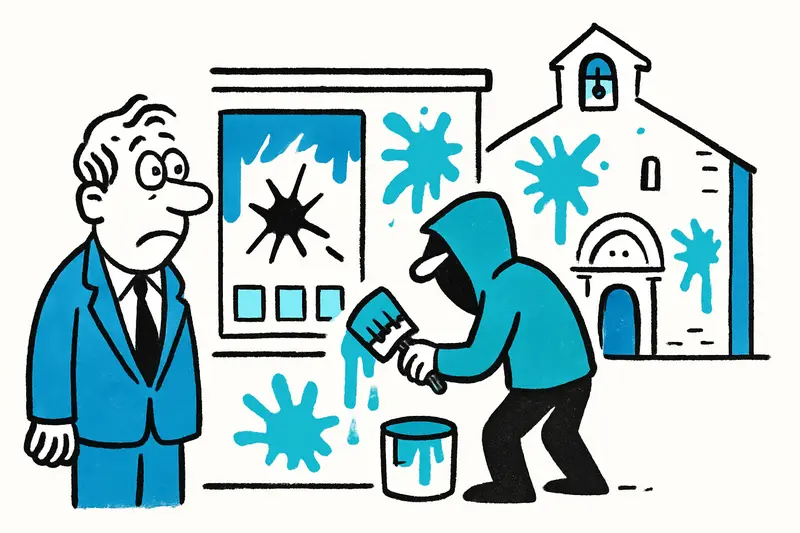
In the early morning of June 3, residents of Santa Maria del Camí woke up to find paint, smashed windows and forced locks. According to local reports, five real estate agencies were affected, including an office of the well-known firm Engel & Völkers, which is housed in a building of the former Convent dels Mínims — a monument protected as cultural heritage. The scenes resemble a political statement; for many neighbors they are above all a burden.
Key question
The question that now needs to be answered is: Are these isolated acts of vandalism, politically motivated sabotage, or the tip of a growing escalation against the real estate and tourism industry on the island? The answer will determine how the municipal administration, police and civil society should respond; similar unrest has been documented in other towns, for example Why the Parking Lot in Cala Millor Can't Find Peace: Renewed Vandalism Sparks Anger in Son Servera.
Critical analysis
What we are seeing is not just simple property damage. When locks are sabotaged and facades of historic buildings are attacked, economic targets mix with cultural heritage. That raises the stakes: damage to a monument affects the community's collective memory and pulls other actors into the conflict. Political parties quickly interpret such incidents as an expression of a broader political climate; local coordinators have condemned the attacks and demand thorough investigations. The fact is: the crime scene evidence — paint, broken glass, damaged locks — is important for investigators, but publicly there is still no conclusive lead on who is responsible.
What's missing from the public discourse
Several voices and perspectives are missing: the affected business owners beyond the company name, statements from residents, an assessment from the monument conservation authorities about the damage to the historic fabric, and a clear report from the investigative authorities about possible motives or forensic evidence. Context on local protests against mass tourism or rising land prices is also hardly presented systematically; comparable incidents have been reported elsewhere, including Vandalismo en Cala Millor: varios coches dañados en un estacionamiento and Scratched Cars in Santanyí: Scratches Instead of Holiday Peace. Without these elements the debate remains truncated — it risks turning into simplistic finger-pointing.
An everyday scene from Santa Maria
In the afternoon an elderly woman sits on her doorstep on Carrer Major; the church bells ring and the scent of freshly baked ensaimada drifts down the street. A tradesman sweeps paint residues from the pedestrian zone, and a bicycle courier stops to ask if he can help. Scenes like these show: the community continues to function, but the mood is tense. Some shopkeepers close earlier, tourists look suspicious — and questions of safety and how to deal with conflicts become central overnight.
Concrete solutions
1) Rapid, transparent investigations: Police must secure evidence, publish precise timelines and communicate results clearly so that speculation does not take over. 2) Protection of cultural heritage: Short-term protective measures for listed buildings are necessary; temporary window glazing and documented damage assessments will help later with restoration and grant applications. 3) Preventive neighborhood work: Local forums and moderated meetings of owners, businesses and residents can reduce tensions and gather tips from the public. 4) Clear municipal responsibilities: The mayor and town council should offer a coordinated response — cleaning, legal advice for those affected and financial assistance for minor repairs. 5) Long term: Politicians and citizens must have fact-based discussions about causes such as rising rents, property purchases from abroad and tourist pressure. Repression alone will not solve the problem.
Why acting now matters
If violence or destruction is accepted as a means of political dispute, a community loses more than just house walls. Trust between neighbors, the economic basis of small businesses and the integrity of protected buildings are all at stake. At the same time, protecting property must not silence legitimate criticism of economic developments.
It remains the duty of the authorities to identify the perpetrators and hold them legally accountable. Equally important is for parties and local actors to moderate their rhetoric and propose concrete steps for conflict reduction. Only in this way can a local incident be prevented from creating a deeply divided climate.
Santa Maria del Camí is a lively community with close-knit neighborhoods, small crafts businesses and Sunday markets. Now is the time for calm: protect, repair, listen — and above all take the reasons for the anger seriously without justifying violence.
Frequently asked questions
What happened in Santa Maria del Camí on June 3?
Is Mallorca seeing more tension around real estate and tourism?
What should I do if a protected building is vandalized in Mallorca?
How do police investigate vandalism cases in Mallorca?
Why does vandalism in Santa Maria del Camí matter for cultural heritage?
What is the mood like in Santa Maria del Camí after the vandalism?
Could protests against mass tourism be linked to vandalism in Mallorca?
What kind of response do local authorities need in Santa Maria del Camí?
Similar News

"Fifth Season" in Port d'Andratx: A glass-bottom pool that makes passersby stop
An unusual superyacht with a dark hull and a partially glazed infinity pool is currently at the Yacht Club of Port d'And...

Newark–Ibiza: What the new direct flights mean for Mallorca
United will operate four weekly direct flights from New York–Newark to Ibiza with the A321XLR from May 2027. For Mallorc...
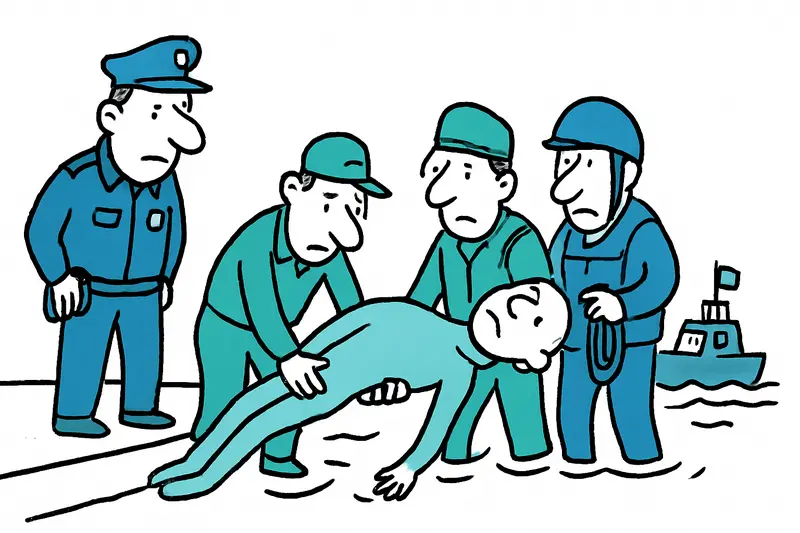
Body in the Basin of Port Adriano: Who Protects People During Crossings?
In the morning, just before noon: employees of a luxury marina discovered a floating body in the basin of Port Adriano. ...
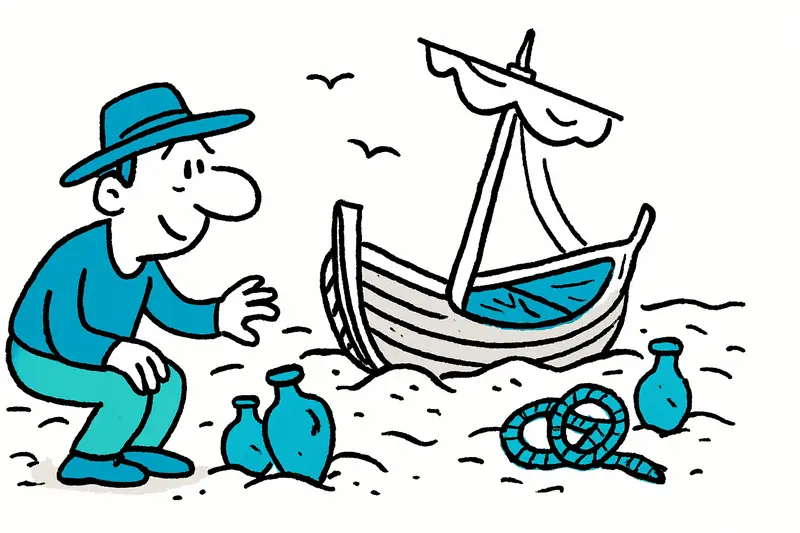
Raised from the Sand: A Late Antique Merchant Ship Tells of the Sea off Can Pastilla
A 1,700-year-old Roman merchant ship was raised off Can Pastilla. Finds such as sail fragments and amphorae provide rare...
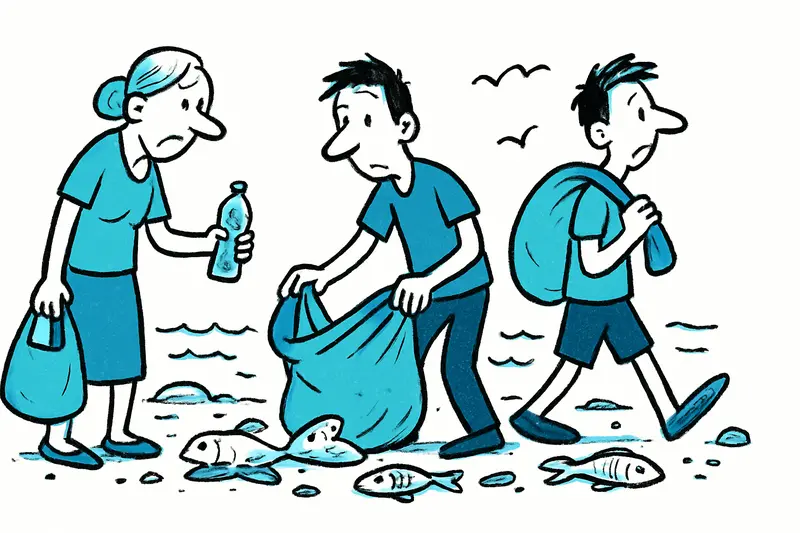
After the Storm: Why Many Fish Died at Riuet de s'Illot — and What's Still Missing
After the severe storm, numerous dead fish were found in the Riuet de s'Illot wetland. Who is affected, why it may have ...
More to explore
Discover more interesting content

Boat Tour with BBQ along Es Trenc Beach

Private transfer from Mallorca Airport (PMI) to Pollensa
