
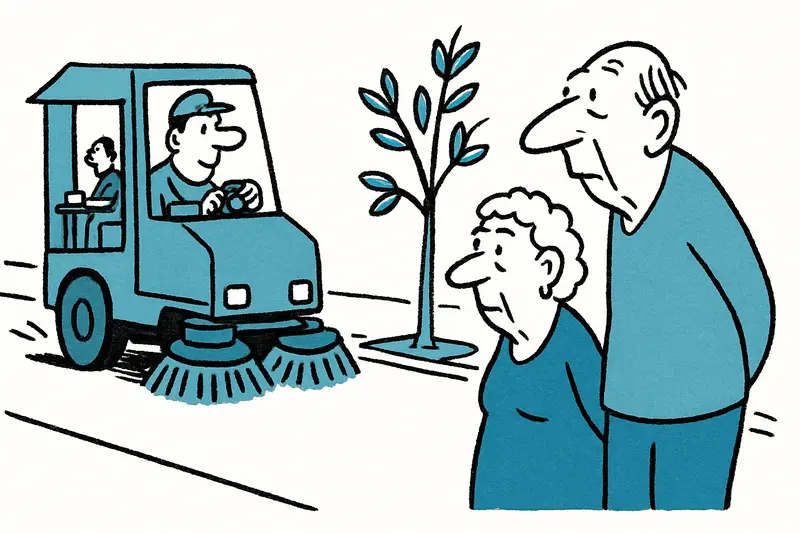
Peguera after the construction: A nicer boulevard — but for whom?
Peguera after the construction: A nicer boulevard — but for whom?
The boulevard in Peguera is open again after seven months of construction: new surfacing, trees and a piping system for treated greywater. Who really benefits from the €3.25 million investment?
Peguera after the construction: A nicer boulevard — but for whom?
New asphalt, new trees, repaired drains; €3.25 million and many open questions
The scenes are familiar: early in the morning the street sweeper glides along the freshly sealed road, somewhere in the distance a café radio plays schlager, and pensioners from the neighbourhood measure the new trees with their eyes. After seven months of work, a section of the 1.3-kilometre boulevard in Peguera is open to traffic again, according to Renovation in Peguera: The Boulevard Gets New Life. Roadways and sidewalks were replaced, green areas were created, and the underground pipes — apparently significantly older than expected — were repaired.
The financial picture is clear: €3.25 million went into this first construction phase. Almost €2 million comes from EU Next Generation funds, the remaining €1.25 million from the accommodation tax. The municipality also had a new pipeline laid for treated water so that green areas and — optionally — hotels can be irrigated with it in the future. The second project phase, to transform Ratolí street into a plaza, is scheduled for October; around €750,000 has been budgeted for that, a point previously discussed in Peguera between construction dust and hope: Can the boulevard really be finished by April?.
Key question: Was this sum used primarily for urban design and ecological reasons — or mainly for tourist-oriented, cosmetic upgrades? This is not just an abstract question but affects everyday life locally: residents, hoteliers, pedestrians and cyclists experience the street every day.
Critical assessment: It is positive that old sewage and stormwater systems were repaired — on-site reports speak of shafts eight to nine metres deep that had to be renewed. That explains part of the cost. Also, the option to use treated water for planting is sensible from a climate perspective on an island facing water scarcity.
But a few points are missing from the public debate. First: who will cover the long-term operating costs of the new installations? Newly planted trees need maintenance, and the irrigation and filtration technology for treated greywater requires servicing. Second: how will the use of the treated water be regulated technically if hotels are connected — voluntarily, with incentives, or mandatory? Third: is there a comprehensive mobility analysis showing whether widening sidewalks and redesigning Ratolí plaza will actually relieve the through-traffic or only create the impression of improvement?
An everyday scene: in the late afternoon, when tour buses deposit guests from Germany at the street cafés, tourists look at the new promenade and take photos with iced coffee in hand. Residents on Carrer de les Gavines, by contrast, discuss delivery times, parking rules and how loud the garbage truck is in the morning. Both perspectives show that urban improvements always have to balance multiple demands.
Concrete solutions that should now be part of the discussion: more transparent cost planning for maintenance (a five- to ten-year operations plan would be useful); a clear regulation for the use of treated water (possibly with tiered pricing or subsidies for hotels that connect); involvement of residents in the design of Ratolí plaza (test pop-up uses before final paving); and complementary simple mobility measures — secure bike racks, clearer loading zones, and 30 km/h speed limit signs on relevant sections.
Atmosphere can also be noticeably improved by small measures: more shaded seating, subtle lighting for evening strolls and information boards explaining how the new water recirculation system works. Such measures connect technical investments with daily benefits and acceptance.
Conclusion: the boulevard has received a decent upgrade — visible and tangible. The construction site is gone, but the real work begins now: operation, maintenance and fair management of the new infrastructure. If that succeeds, residents and visitors will benefit; if it remains merely an upgrade for photo opportunities, frictions and additional costs will arise. The municipality has the chance not only to renew asphalt but also to establish a sustainable maintenance model. On an island like Mallorca, that would be the truly wise investment.
Frequently asked questions
What is the weather usually like in Mallorca in spring?
Can you still swim in Mallorca outside the summer months?
What should I pack for Mallorca in the shoulder season?
Is Mallorca a good destination for hiking in spring?
What is Port de Sóller like to visit in the cooler months?
Is Pollença worth visiting when the weather is not ideal for the beach?
What is the best time of year to visit Mallorca for fewer crowds?
Can you still enjoy a Mallorca holiday if it is too cool for the beach?
Similar News
Short Getaway with Sea View: Inmood Aucanada among Spain's Top Hotels for Dinner Breaks
A small hotel on the coast of Alcúdia was highlighted by a Spanish experience platform as particularly suitable for shor...
Cala Pi crowned Mallorca's most beautiful beach: A morning at the rocky cove
The travel portal Holidaycheck praises Cala Pi as Mallorca's most beautiful beach: a narrow, romantic cove, clear water,...
Injured captain, big plans: Germania Mallorca before the away match in Consell
The newly founded FC Germania Mallorca travels to Consell on Saturday. Captain Bastian Müller is out injured, but coach ...
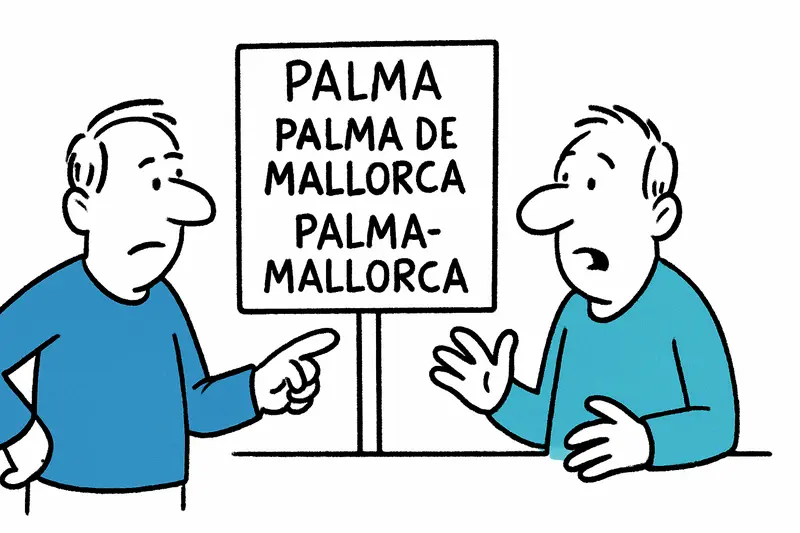
Palma, Palma de Mallorca, Palma‑Mallorca: What is it really about?
The debate over the city's name is more than grammar: it concerns identity, law and branding policy. A sober reality che...

Warning to Bathers: Nipping Fish in Cala Major and Other Coves — a Reality Check
In Cala Major and several beaches around Mallorca, bathers report painful “nips”. Who are the animals, why are they gett...
More to explore
Discover more interesting content

Can Cap de Bou

Townhouse Lleo 72
