
Bohlen, rolling suitcases and the fine line between jest and mockery
Bohlen, rolling suitcases and the fine line between jest and mockery
An Instagram clip by a prominent resident causes laughter on the Portixol promenade — and raises the question of how we should talk about tourists.
Bohlen, rolling suitcases and the fine line between jest and mockery
Why a short Instagram clip says more about the island's mood than many comment sections
Leading question: Are public figures allowed to make fun of holidaymakers on camera without harming the conversation about tourism, respectful communication and everyday life in Mallorca?
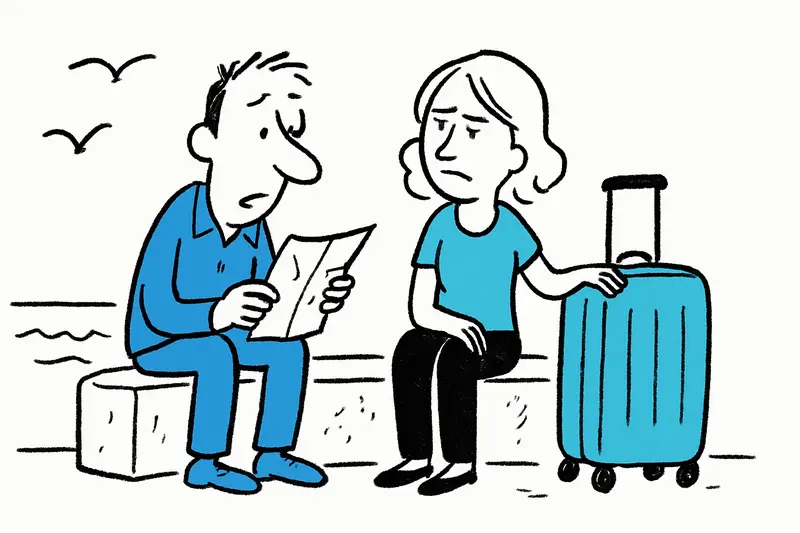
Late Sunday afternoon: the promenade of Portixol smells of sea, oiled wood and fried fish. Seagulls screech, a small motorboat engine hums out in the bay, and two young people sit with rolling suitcases on the low stone walls next to the paseo. Anyone who has walked here knows this scene — slight bewilderment, a glance at the map, the distant hum of the airport.
A well-known resident of the island captured exactly this situation in a short social‑media video and added a mocking comment, reminiscent of ‘Mallorca is not Spain’ – What a TikTok sketch hides about life on the island. It brings laughter, heart emojis and shares, but also a few frowns. On the island two things repeatedly collide: the love of relaxed moments by the sea and the frustration about how tourists sometimes stumble through places that are meant for the daily life of locals.
Critical analysis: A clip that comes at the expense of travelers contributes to the polarizing tone we've been hearing more often in recent years, as seen in Posters, Provocation, Polarization: How Mallorca's Streets Become a Campaign Ground. It goes viral because it is short and has a simple punchline. But it makes two problems invisible: on the one hand the reasons why people with suitcases look so confused (late arrivals, poor local knowledge, language barriers). On the other hand the effect of such jokes when they come from influential personalities — they solidify an image of "stupid tourists" instead of asking how to better help newcomers.
What is missing in the public discourse: pragmatic solutions and a bit of leniency. Instead of just mocking, there is often no mention of concrete contact points for the lost, clear signs in places like Portixol, and simple information in several languages directly on promenades and bus stops. Nor is there much discussion about how celebrities and local businesses could use their reach to create orientation instead of just entertaining, a debate reflected in 'Smile Day' in Mallorca: Small Tote, Big Questions. Fourth: strengthen local hospitality — volunteer "guides" in the summer months who help with simple maps. These suggestions are small, practical and could defuse many of these embarrassing scenes.
Everyday scene: In front of the corner café on the Passeig an older woman checks the mail every day, a fisherman pushes a folded sun umbrella along the curb, children paddle in a small cove, taxi drivers honk quietly in the distance. Among all this a trolley rolls over the cobbles, a tourist asks for directions to the airport in English. This mix makes Portixol real — with all the little moments of being lost and of helpfulness; similar tensions are described in Sóller between Boycott and Daily Life: How a Community Masters the Balancing Act.
Concrete solutions: First: better signage on tourist promenades and at key junctions, with arrows to train stations, bus lines and taxi ranks. Second: small multilingual orientation points — QR codes on information pillars leading to short clips with directions. Third: awareness campaigns for public figures and businesses: instead of laughing at others, post short tips on how to find your way or where to get help. Fourth: strengthen local hospitality — volunteer "guides" in the summer months who help with simple maps. These suggestions are small, practical and could defuse many of these embarrassing scenes.
It's not about banning humor. A playful clip can be funny and create memories. But it should also acknowledge the responsibility that reach brings. When someone with millions of followers laughs at others, it shapes the mood faster than you think — and not just for a short viral moment, but for the image people take home of Mallorca.
Conclusion: A few seconds on Instagram are quickly made; real leniency and practical help for the lost require thought and effort. On the Portixol promenade you could have both: laughter without mockery and a sign that shows the way. Then both the clip and the arrival would be more relaxed — for everyone.
Frequently asked questions
What’s the best time of year to visit Mallorca for good weather?
Can you swim in Mallorca year-round?
What should I pack for a trip to Mallorca?
What outdoor experiences are worth it in Mallorca?
How can I get around Mallorca without a car?
Is Palma the only good base for exploring Mallorca, or are there other options?
What should I know about Mallorca’s beaches and swimming safety?
Which Mallorcan foods should I try?
Similar News

Rental Car Theft in El Arenal: What This Incident Reveals About Our Gaps
A teenager steals a running rental car in El Arenal, flees on foot, climbs over walls and is caught by the Guardia Civil...

Red Rope in Palma's Library: What Helps Against Selfie Tourism — and What's Missing
Palma's city library cordoned off an area with a red rope to keep selfie tourism away from reading and working activitie...

Fort San Carlos: Museum, Harbor Dispute — and a Conflict That Demands Answers
The military museum at Fort San Carlos sits right on Palma's harbor, with unexpectedly quiet rooms filled with cannons a...
Old Town Under Pressure: When a Doorway Becomes a Sleeping and Shower Place
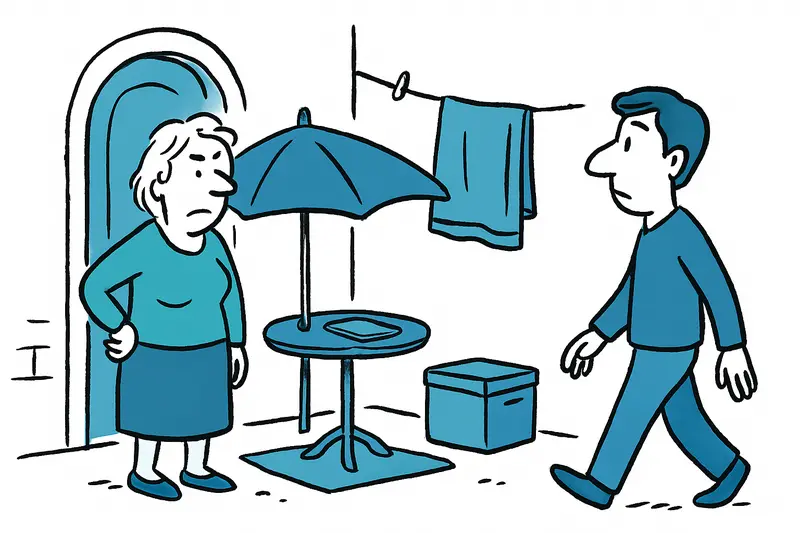
For months a woman has been living with a parasol, a clothes rack and personal belongings next to the social welfare off...
When Shopping Weighs Heavier: Mallorca Demands a Tax Pause on Food and Fuel
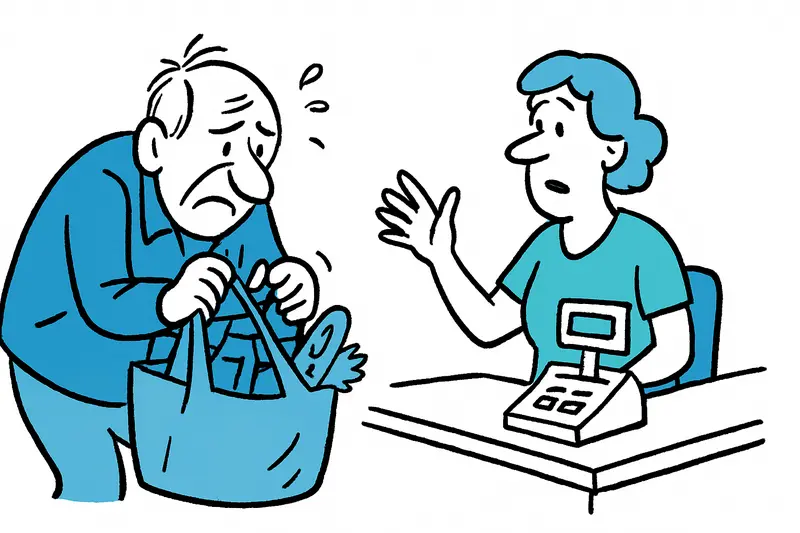
Rising prices are putting pressure on households and agriculture. The Balearic Islands are calling for temporary tax rel...
More to explore
Discover more interesting content

Can Cap de Bou

Townhouse Lleo 72
