
'Smile Day' in Mallorca: Small Tote, Big Questions
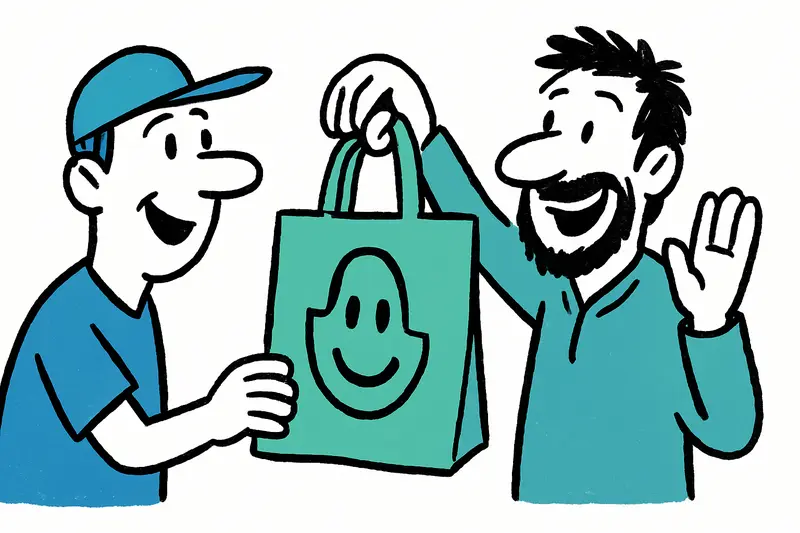
On February 27, shopkeepers distributed reusable bags printed with "Tourist, go home happy". A friendly gesture — but the campaign raises questions: genuine appreciation, clever marketing, or a moment of real closeness between locals and visitors?
'Smile Day' in Mallorca: Small Tote, Big Questions
On the morning of February 27, according to a report on Smile Day in Mallorca, when the wind still smelled damp from the sea and Palma's street sweepers cleaned the Passeig del Born with the typical scrape of their brooms, shopkeepers handed out reusable fabric bags to tourists. Bold letters on the bag read: "Tourist, go home happy". A friendly reach into the bag, a brief explanation about sobrasada, a tip for local honey — and on they went. It looked nice, and other coverage like Day of Smiles: Free Bags, Small Gesture — Big Impact captured local colour. But the story is not that simple.
What the campaign really aims for
The initiative, organized by the retail association Afedeco and embedded in the hotel campaign #ThanksForVisitingMallorca, operates on two levels. Officially, it is about making local products more visible and giving tourists a positive memento. For many small shops, February was a free moment to seek personal contact: the quiet rustle of market vendors at the Mercado de l'Olivar, the smell of freshly baked pa amb oli, the conversation about the origin of an olive oil.
The second level is communications strategy. A fabric tote instead of a plastic bag signals: we care about sustainability. The slogan says: you were here, take something with you — a memory, a recommendation, a purchase impulse. There is nothing inherently objectionable about that. But this is exactly where the questions begin.
The slogan — warm or unintentionally brusque?
"Tourist, go home happy" sounds pragmatic in English and to some a bit cool. In Mallorcan or Spanish one might choose a different nuance. The English phrasing is effective because it reaches many. But it can also be misunderstood: we're sending you home with a smile — or: please leave now. Does the message truly address the people who spend a lot of money here, or is it actually a reflection of the complexity we face with mass tourism?
What the public debate overlooks
First: measuring impact. So far there are hardly any clear figures on whether such giveaways lead to more regional purchases or only brief pleasure. A shopkeeper saying he was approached several times in a week by the same people is not proof of sustainable consumer behavior.
Second: language and tone. Local appreciation works differently than marketing. If you really want to win a tourist over to local products, you have to invest time — explanations, tastings, stories. That costs staff and time, and not every small shop can afford that on a permanent basis.
Concrete opportunities — and solutions
The campaign can be more than a nice photo. Some suggestions that emerged from conversations with shop owners, market stalls and recent observations:
1. Measurable pilots: Small tests with clear metrics (number of regional sales, feedback) would show whether the bags have an effect. Without numbers the campaign remains anecdotal.
2. Bilingual, sensitive messages: A slogan that sounds friendly in Spanish/Catalan and English avoids misunderstandings. A locally focused phrase feels more connecting than a generic "thanks".
3. Live sustainability: The bags should be made from durable materials, with information about where they were produced. A small card inside the bag with direct recommendations (bakery, beekeeper, potter) increases the chance that something is bought.
4. Cooperation with municipalities: If towns like Palma, Alcúdia or Cala Millor support the campaign, market stalls could be relieved and there could be coordinated information offers for visitors. Coverage such as Día de la Sonrisa: Comerciantes en Mallorca distribuyen bolsas gratis y saludan a los viajeros shows how local initiatives can spark broader debate.
These steps are not revolutions, but they could move the gesture toward substance.
An attempt to bring back humanity
In the end, February 27 was more than a marketing gesture. At the market in Palma I heard laughter and saw locals and visitors pause to sample something. An older Mallorcan explained to a young couple why his olives taste different. Such moments are valuable. They require time and a little courage to approach each other.
The fabric bag alone does not change the bigger picture of peak seasons, rent prices or environmental damage. But it can be a small signal — if the message is chosen carefully, the impact measured and traders are not left alone. Then perhaps what remains is not only a smile, but also a genuine interest in the island and its products.
Frequently asked questions
What is Smile Day in Mallorca and what is it trying to do?
Why are shops in Mallorca giving tourists reusable bags?
Is Mallorca warm enough to wander around markets and shop outdoors in February?
What local Mallorca products do shops often suggest to visitors?
What is Mercat de l'Olivar in Palma like for tourists?
Does a small campaign like Smile Day actually help Mallorca shops?
What makes a tourism slogan sound welcoming in Mallorca and not rude?
Which Mallorca towns could support local shopping campaigns like this?
Similar News

Four goals, heart-stopping moments, a message: Germania Mallorca takes three points in Consell — questions remain
The new German club on the island won its first away game in Consell 4:3. Celebration, a 4:0 lead, then a nervous finish...
Mueller continues expanding in Mallorca: Artà in 2026, Can Picafort in early summer 2027
The drugstore chain Mueller is opening two new stores in Mallorca: a 1,400 m² shop in Artà on 5 November 2026 and a bran...
The Painter Who Lived Mallorca: Franz Taussig and His Century-Old Secret
A hundred years ago a young Viennese arrived in El Terreno, sketched the island and called himself Francis Caron. Today ...
Airport dispute: Bridge, forecasts and the question of responsibility
A video by the Spanish transport minister has ignited the dispute over DORA figures, capacities and local governance pow...
The Painter Who Invented Himself: How a Young Viennese Drew Mallorca
A hundred years ago a 19-year-old draftsman arrived in El Terreno. His diary and sheets, long known under the pseudonym ...
More to explore
Discover more interesting content

Can Cap de Bou

Townhouse Lleo 72
