
Reality check: Why the Mein Schiff 4 is stuck in Abu Dhabi — and what this means for Majorca
Reality check: Why the Mein Schiff 4 is stuck in Abu Dhabi — and what this means for Majorca
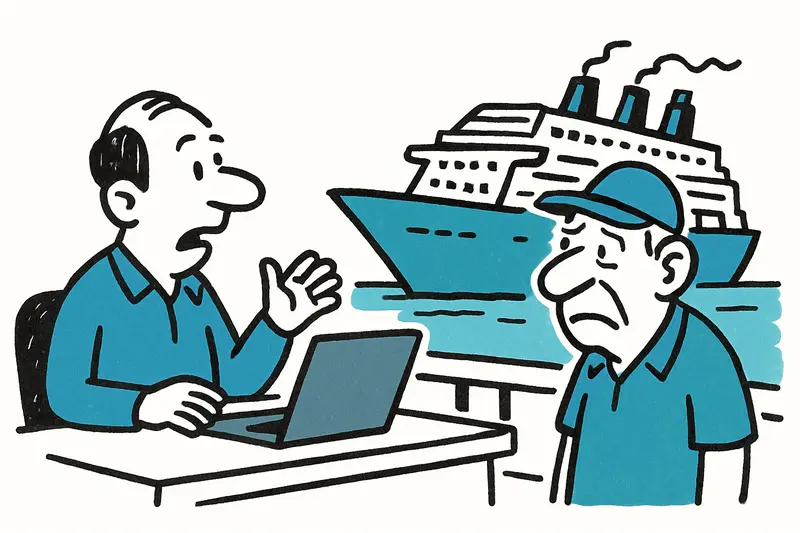
The Mein Schiff 4 is stuck in Abu Dhabi because the Strait of Hormuz is blocked. A reality check: What does this mean for passengers, operators and Majorca?
Reality check: Why the Mein Schiff 4 is stuck in Abu Dhabi — and what this means for Majorca
Key question: What does the incident with the Mein Schiff 4 tell us about the vulnerability of cruise travel — and what consequences does it have for Majorca, where German guests regularly board in autumn and winter?
Brief facts: The Mein Schiff 4, which departed from Majorca in autumn for a long voyage around Africa and then sailed into the Persian Gulf, cannot currently leave Abu Dhabi because the shipping route through the Strait of Hormuz is blocked. The ship carries mainly German passengers and the onboard crew has issued safety instructions: shore excursions were cancelled, outdoor decks locked, and passengers were asked to stay in interior areas. Emergency alerts on mobile phones caused uncertainty.
Analysis: This is not just about a stranded holiday transport. Cruises are logistical chains: ports, airports, transfers, insurance, crew rotations — everything is interconnected. If a key strait fails, the chain is hit at multiple points simultaneously. For Majorca specifically, this means possible rebookings, delayed passenger changes in Palma, higher costs for repatriation and increased communication workload for travel agencies and hotels, echoing recent cases such as Hours-long delay at BER – what Mallorca travelers need to know.
What is often missing in the public debate is the crew's perspective and the question of transparent communication, issues highlighted in Fake Pilot in Europe's Skies: Why Mallorca Must Take a Closer Look. People working in the corridors of cruise ships live with changing contracts and often cramped schedules. If a ship is stuck in a crisis region, working conditions, shift plans and the crew's mental load change. Insurance issues are also underexposed: which policies apply in the case of geopolitical closures? How quickly can replacement crews or flight connections be organized when crew changes were planned?
An everyday scene from Palma to anchor the abstract picture: On a cool morning a small group of retiree women gather on the Passeig del Born; two of them had booked a cruise in autumn and talk quietly about the uncertain situation. A scooter hums down the street, a fisherman brings a net full of sardines to the Santa Catalina fish market — for us the sea is part of daily life, not an abstract risk. Nevertheless, travel agencies here hear the grinding of the gears: on the corner of Calle Sant Miquel an employee takes calls and reassures customers whose return flights may need to be rescheduled.
Concrete approaches, without advocating military strategies: shipping companies and authorities must standardize crisis communication. Passengers need clear, timely information about risks, alternatives and their rights. Travel insurers should explicitly define in their terms which benefits apply when international sea routes are closed. For Majorca it would be sensible for port authorities and the local tourism administration to set up emergency contact points to coordinate during globally blocked routes — for example to enable quick rebooking of flights, assist with entry formalities or provide psychological support for affected guests.
A pragmatic proposal for the industry: mandatory emergency kits on board that, in addition to medical supplies, include brief legal information and contact lists for embassies and insurers. Shipping companies should maintain binding contingency plans that allow crew rotation via intermediate airports and examine alternative routes without compromising onboard safety.
For travelers the simple rules still apply: stay calm, keep documents handy, follow crew instructions and study insurance terms in advance. Anyone standing at the quay in Palma watching the ship mist over Port de Palma should know: the globe links our island with conflict zones — often without warning, as discussed in Aircraft carriers off Mallorca: When the sea becomes a political stage.
What is still missing more strongly in the public discourse is a discussion about responsibility. What obligations do operators have toward stranded guests, over what periods are states obliged to provide assistance, and how can workers' rights for the crew be protected in such situations? Majorca could play a mediating role here by having tourism and port management associations develop local guidelines and thus consolidate practical experience.
Conclusion: The case of the Mein Schiff 4 is not an isolated incident but a wake-up call. Cruises over thousands of nautical miles are vulnerable to geopolitical disruptions. Practical measures — better communication, clear insurance rules, emergency protocols and closer involvement of local authorities — reduce the risk, make the situation more bearable for those affected and protect the island's reputation as a reliable travel destination. The discussion remains lively on Palma's streets, accompanied by the sound of seagulls and the smell of freshly brewed coffee — a small piece of normality in turbulent times.
Frequently asked questions
Why can a cruise ship get stuck in Abu Dhabi and not continue its route?
What should Mallorca cruise passengers do if their itinerary changes suddenly?
How can a cruise disruption affect Palma and Mallorca travel agencies?
What happens to passengers when a cruise ship locks its outdoor decks and cancels excursions?
Is Mallorca still a normal departure point for cruises in autumn and winter?
What insurance issues can come up when a cruise route is blocked?
Why is crew communication so important during a cruise emergency?
What role could Mallorca play when cruise routes are disrupted internationally?
Similar News
Magaluf: Watchtower Alarm – Lifeguards Pull Unconscious Beachgoer from the Water
After a drama in the late afternoon, two lifeguards at Magaluf beach rescued an unconscious 44-year-old man. He was stab...
Turquoise in the City: How dangerous is the color play of the Sa Riera?
The Sa Riera in Palma suddenly turned turquoise — a pretty motif, but behind the effect lies a discharge of saline waste...

Jeckliner at Sunnesching: Cologne spirit sets sail from Palma
In September 2027 the Mein Schiff 2 briefly becomes a floating carnival stage: four days with Cologne bands, comedy and ...
Finally Home: Mike and Leyla Heiter Buy Villa with Sea View in Mallorca
The reality TV couple Mike and Leyla Heiter have bought a house in Mallorca with a roof terrace and sea view. An Instagr...

Arrest after series in Palma: Who protects apartments from repeat offenders?
The National Police arrested a man in Palma who investigators say may have broken into several apartments. In one incide...
More to explore
Discover more interesting content

Can Cap de Bou

Townhouse Lleo 72
