
The numbers don't lie: Estellencs cuts water consumption by almost half
The numbers don't lie: Estellencs cuts water consumption by almost half
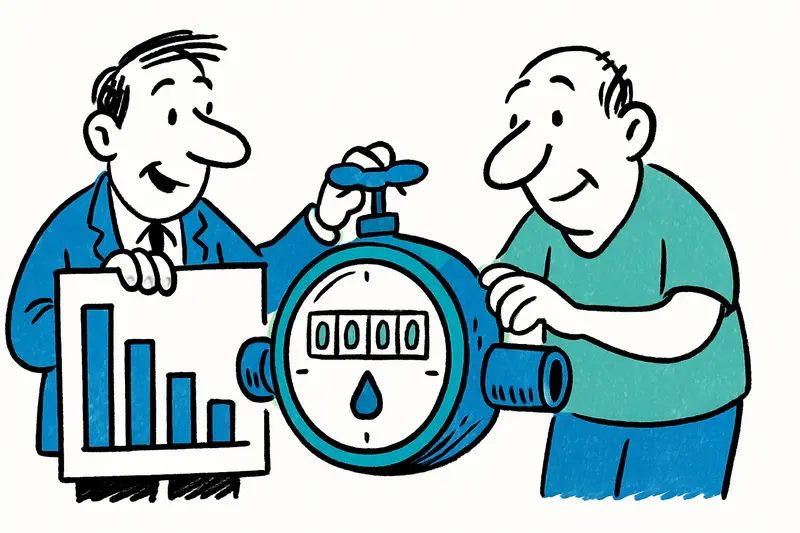
In the Tramuntana village of Estellencs, water consumption fell drastically in 2025: digital meters and improved network monitoring reduced withdrawals from 41,451 to 22,568 m³ — a decrease of 45.5 percent.
The numbers don't lie: Estellencs cuts water consumption by almost half
Digital meters, more precise network monitoring and changed everyday habits deliver visible savings
On the small plaza in front of the church in Estellencs, the clatter of cups from the café often still drifts into the late afternoon; the air smells of pines and the sea. Walking through the narrow streets between white houses and steep gardens, you might not immediately notice that a small success story of resource management is unfolding beneath the paving stones: the municipality dramatically reduced its drinking water consumption in 2025 compared with 2024.
The figures are clear: the volume of water taken from the local wells fell from 41,451 cubic meters in 2024 to 22,568 cubic meters in 2025 — roughly 45.5 percent less. The technical side of the progress becomes even clearer when looking at losses in the distribution network: what had been around 17,000 cubic meters of suspected losses in 2024 was only about 3,000 cubic meters last year. The efficiency of the supply network therefore stands at about 83 percent.
What lies behind this? In Estellencs the municipal administration relied on two levers: the widespread installation of digital water meters in households and closer, digital monitoring of the pipes. This produces two effects at once: residents can view their consumption more precisely, and the technology makes leaks and unusual withdrawal patterns visible more quickly. It also turns out that local people — many of them German residents — are willing to adjust their water use, from shorter garden irrigation to more conscious shower habits.
The mayor, Bernat Isern, emphasizes the role of the community and describes the results as encouraging. The municipality also stresses that Estellencs still depends on a single underground source. This echoes concerns in Water Emergency in Valldemossa: When the Wells Whisper.
For daily life in Estellencs the reduction means fewer heavy water truck deliveries, less frequent refilling of public containers and more calm on days when supply bottlenecks used to be noticeable. On the plaza, the operator of the small village shop says visitors now ask more pointedly when a terrace is being watered; such habits change slowly but permanently. Similar supply restrictions have affected other towns, see Water alarm in Mallorca: Seven municipalities turn off the tap — is saving alone enough?.
Why is this good news for Mallorca as a whole? First, Estellencs shows that technical modernization works even in small places: digital meters are not a gimmick but a tool to identify and fix losses in the network. Second, it is an example of how authorities and local people can use resources more responsibly together, without drastic measures. For broader context on reservoir levels around the island see When the reservoirs shrink: How Mallorca's water shortage affects Palma and the villages.
Outlook and small ideas other municipalities could adopt: targeted household education on using digital meters, regular pipe inspections with simple flow measurements, a fast process for repairing reported leaks and local incentives for water-saving behavior in gardening. Bundling data in a clear platform also makes the work of small utilities easier.
The story of Estellencs is not a panacea against drought, but it is concrete evidence that smart technology and changed behavior together can achieve a lot. If the Tramuntana blows drier in summer than before, it will not be enough to rely only on rain. Still, a reliable network and the awareness of local people make the municipality more resilient.
At the end of the day, when the last sun disappears behind the mountains and the bell of Estellencs rings once more, it becomes clear: small communities can lead on climate protection and resource use. A little more care with water — and a few clever meters — are often enough to make a big difference.
Frequently asked questions
Why did Estellencs use much less water in 2025?
Can digital water meters really help save water in Mallorca?
Is it still okay to swim in Mallorca when there is a water shortage?
What can residents do to reduce water use in Mallorca homes and gardens?
What makes Estellencs different from other villages in Mallorca when it comes to water?
How do Mallorca towns find water leaks in the network?
Is Mallorca still facing water scarcity in smaller towns?
What should visitors know about water use in Estellencs, Mallorca?
Similar News
Carriages Without Horses: Palma Plans E-Carriages – a Reality Check
Palma plans to switch to electric carriages in 2027. The prototype was shown near the cathedral. What is the technology ...

Record season, empty coffers: Who really benefits from the tourism boom?
Full hotels and more flights: the numbers sound impressive — yet many locals feel no benefit. A reality check with an ev...

Pool ordered for €46,000 – €23,000 paid, no work carried out: A fraud case in Palma
A homeowner in Palma transferred €23,000 for the construction of a pool. Weeks later it emerged that no building applica...

Summer greetings from the Pitiusas island: Gottschalk and Krüger enjoy the sun on Ibiza
A friendly photo of Thomas Gottschalk and Mike Krüger on Ibiza evokes memories of their shared film years and shows that...
Occupied in a Few Days: When Property in Mallorca Turns into a Dispute
Six young men were arrested in Palma after homeowners returned and could no longer open their own door. A case that rais...
More to explore
Discover more interesting content

Can Cap de Bou

Townhouse Lleo 72
