
Sóller between Boycott and Daily Life: How a Community Masters the Balancing Act
Empty terraces in Port de Sóller, unsettled restaurateurs and the question: How can Mallorca find a way between being overwhelmed and economic dependence on tourism?
Sóller between Boycott and Daily Life: How a Community Masters the Balancing Act
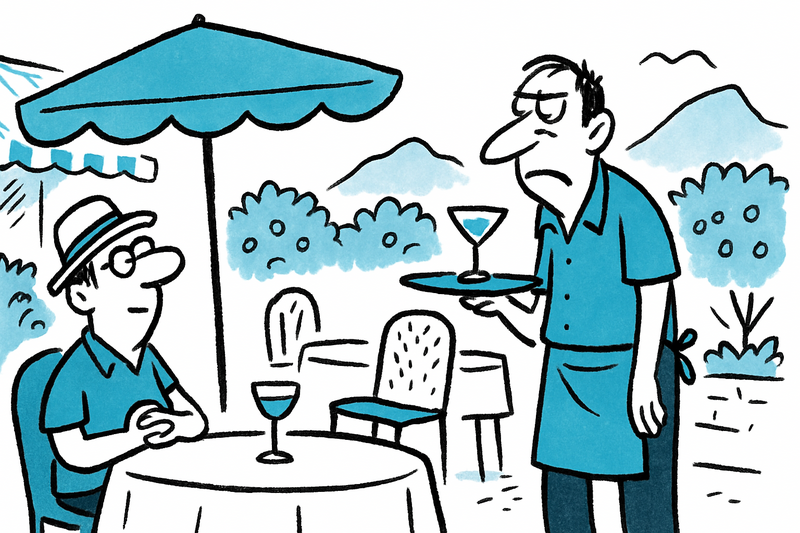
At the harbor of Port de Sóller the heavy wooden bench creaks, seagulls scream over the sea and the tram puffs slowly up the line – but the guests are missing. Where voices and clinking cutlery usually accompany the afternoon, there is an unusual calm this summer. The orange trees in the valley smell sweet, the Puig Major is sharply outlined against the sky, part of the UNESCO World Heritage listing for Serra de Tramuntana, and yet servers sit with empty reservation books.
An easy but pressing question
How can the island strike a balance between being a livable place for locals and a financially stable tourism region? This is the guiding question currently debated in Sóller at tables, in municipal councils and behind closed kitchen doors. The answer is neither romantic nor simple – and it requires more than occasional appeals for better behavior.
What has often been overlooked so far
Public debate has so far focused mainly on visible symptoms: crowded beaches, traffic jams, noisy parties, as described in Sóller in Autumn: Everyday Life Between Tramuntana Idyll and Visitor Surge. Less visible, but equally important, are the indirect consequences of the boycott: seasonal workers losing their jobs, supply chains for fruit and gastronomy having to reorganize, and young families being squeezed between higher rents and uncertain incomes. Trust between hosts and guests is also affected – something that cannot be repaired with an advertising campaign.
Empty terraces mean more than economic losses
A restaurant owner in Port de Sóller puts it bluntly: “We complained about the influx for a long time, but this is painful.” Behind this statement lie staff layoffs, fewer tips, and declining orders from local producers, themes echoed in Empty Tables, Tight Wallets: Mallorca's Gastronomy at a Crossroads. The result: an economic feedback loop running through the valley. Cultural diversity is also at risk if local festivals and craft businesses become exhausted and subsidies dry up.
Concrete approaches instead of platitudes
The island now needs practical, local solutions. Some proposals being discussed in Sóller and similar places include:
1. Management instead of bans: Targeted visitor taxes, capacity regulations for particularly burdened sites and better booking systems for beaches and attractions — not to keep visitors away, but to guide them.
2. Stretching the season: Promote attractive offers for spring and autumn – such as culture weeks, food festivals featuring regional products and gentle outdoor activities when the water is still warm but the paths are emptier.
3. Securing employment: Support programs for retraining seasonal workers, assistance for small businesses to diversify (e.g. direct sales of oranges, cooking classes, slow-tour offers).
4. Participation before regulation: Do not make decisions exclusively in offices, but bring residents, restaurateurs, hoteliers and environmental groups to the same table. Those who negotiate have a greater chance of accepting change.
What few say aloud but many think
There is an underlying concern: if the island loses its economic base too quickly, young people will move away, schools will close, and the village landscape will change into a quiet but depopulated idyll. That might be romantic for some, but catastrophic for most. At the same time it is clear that unrestrained influx and unchecked tourism can permanently damage the social fabric and the environment, as explored in Reality Check: Why Mallorca Can Hardly Escape Massification.
Looking ahead: making use of opportunities
The challenge also brings opportunities. An honest debate about visitor numbers, greater appreciation of local work and a stronger linkage of tourism with regional products could make Sóller more resilient. If the scent of oranges is understood not only as a backdrop but as a value chain, more people in the valley will benefit.
The coming months will show whether local politicians and economic partners find pragmatic paths. Until then, the tram that occasionally passes the harbor walls remains a small promise: this island has already survived many changes. But this time it is not about returning to the old, it is about negotiating a new everyday life – quieter perhaps, but hopefully not poorer.
Frequently asked questions
Why are restaurants in Port de Sóller quieter than usual this summer?
How is mass tourism affecting daily life in Mallorca's towns and villages?
What can Mallorca do to manage visitor numbers without turning people away?
Is spring or autumn a better time to visit Mallorca than peak summer?
What happens to seasonal workers in Mallorca when tourism slows down?
Why is the orange valley in Sóller important for the local economy?
What is the best way to experience Port de Sóller more quietly?
How can Mallorca support local businesses while keeping tourism sustainable?
Similar News

Maribel: Five Decades of Service – Housekeeper from Peguera Celebrated with a Special Honor
Over 50 years in the hotel business: María Isabel “Maribel” Molinos was honored in Palma at the Nit del Turisme by Unive...

Orange Alert over Parts of Mallorca: Are We Prepared?
Dark clouds and an announced wet spell have triggered an Orange alert in parts of Mallorca. A reality check: what's miss...

Sundair & Co.: Sale speculation and what it could mean for Mallorca
Rumors about a possible sale of the airlines Sundair and Fly Air 41, which belong to Schauinsland-Reisen — and whether b...
Anne Wünsche in Mallorca: A job offer with a catch — who fits the role of personal assistant?
Influencer Anne Wünsche has left Berlin and is urgently looking for a full-time personal assistant in Mallorca. Why the ...

Daily from New York: Palma Between Boom and Strain
United will increase the Newark–Palma route to daily flights in 2027 using Boeing aircraft (231 seats). What does the in...
More to explore
Discover more interesting content

Can Cap de Bou

Townhouse Lleo 72
