
Six Years of Construction Instead of a Secure Workplace: Palma Airport Employees Have Run Out of Patience
Six Years of Construction Instead of a Secure Workplace: Palma Airport Employees Have Run Out of Patience
Employees in the baggage handling area at Son Sant Joan airport have been working for years amid dust, noise and makeshift facilities. The USO union is demanding quick remedies from Aena and the companies — but what's missing is a clear plan and oversight.
Six Years of Construction Instead of a Secure Workplace: Palma Airport Employees Have Run Out of Patience
Between arrival belts, construction fences and temporary toilets — what employees have had to endure for years
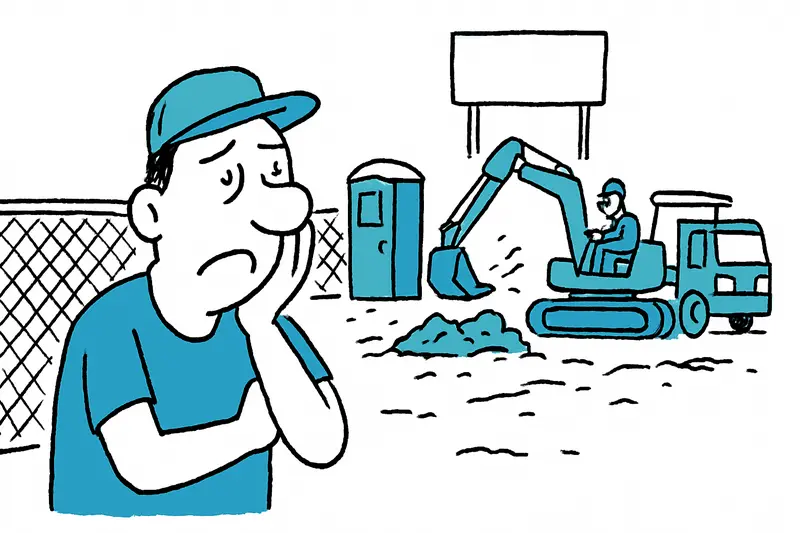
Early in the morning, before the first planes from the north land, vehicles roll across the asphalt strip in front of the baggage claim. It smells of diesel, somewhere a press hammers, and the wind drives fine dust through the open hall — the same scene that employees in the baggage area of Son Sant Joan have known for years. Not as an exception, but as the everyday reality.
The aviation department of the USO union has summarized the situation: the handling teams have been working for around six years in an environment heavily disturbed by extensive construction and expansion works. Construction fences surround the site on several sides, walkways have been rerouted, and makeshift solutions dominate the picture — including prefabricated mobile toilets that employees have apparently been using for almost two years; these ongoing disruptions are also described in Palma Airport: The construction site that never stands still — and how we cope with it.
The problem is not just dirt. USO cites persistent dust exposure and a constant noise background from construction machinery plus operational noises. Reduced space leads to increased vehicle traffic in a confined area; pedestrian routes are poorly delineated, forcing staff to use the same tracks as tractors and service vehicles. At the same time, there are indications of deficiencies with fire extinguishers and hydrants as well as improperly parked service vehicles in front of emergency exits — all factors that increase the risk of accidents and disruptions; recent incidents underline this danger, for example Another accident at Palma Airport: Worker falls on construction site — who protects the employees?.
The union is calling on Aena as the infrastructure owner and the companies involved to provide remedies. This demand is legitimate. Workplace safety is not a nice-to-have but a legal obligation. At the same time, the situation is an example of how temporary construction site arrangements can become permanent when no one sets clear deadlines and enforces them.
Key question: Why has the transitional situation at Palma airport lasted so long, and who bears responsibility when makeshift solutions become chronic?
Critical analysis: Temporary measures lose their legitimacy as soon as they systematically endanger people. At Son Sant Joan, several interests collide: expansion plans, operator obligations, contractors with limited resources, and the pressure to keep operations running without major interruptions. In such a tangle, operational safety often falls by the wayside — unless supervision is regular and strict. Disclosure obligations toward employees and the public appear patchy; concrete timelines and evidence of remedial actions are missing from what is known so far.
What's missing from public discourse: There is too little talk about the everyday experiences of the people who sort suitcases, monitor belts and clear traffic lanes. Instead of headlines about longer wait times or missing air conditioning, what is needed are health data, measurements of dust and noise levels and binding deadlines to end temporary facilities. The role of supervisory authorities, such as the Inspección de Trabajo, and their inspection results should also be made visible.
Concrete solutions that could take effect immediately: First, install temporary but enclosed and filtered transitional halls for the work areas, complemented by regular dust suppression (water spraying) and air quality monitoring stations. Second, clearly marked and physically protected pedestrian routes separated from vehicle traffic. Third, return permanent sanitary facilities to the regular areas or at least provide better masonry temporary facilities with ventilation and drinking water connections; the absence of proper staff facilities has been highlighted in Palma Airport: More Than Eight Months Without a Canteen — Employees Affected. Fourth, an external inspection of firefighting equipment and hydrants by an independent company with a public inspection report. Fifth, a binding schedule with milestones that Aena and the contractors must publish — including sanctions if temporary conditions are not ended within defined deadlines.
Everyday observation from Palma: On Passeig Mallorca, five minutes from the editorial window, you can see delivery vans and workshop convoys passing by early in the morning. The people there come from the same shifts discussed in the airport halls. When you brush the dust off your arm with your hand, you get the impression that the issue concerns all of us — not only those behind the baggage belt.
What should happen now: Aena must be transparent. That means: disclose the schedule, produce measurement data on dust and noise, implement immediate measures and allow inspections by the Inspección de Trabajo. Authorities should investigate whether occupational safety regulations have been violated and, if so, impose fines. The companies involved must be held accountable with clear responsibilities and points of contact.
Conclusion: This is not just a comfort issue. Six years of makeshift conditions are an affront to the health and safety of hundreds of employees. The island needs its airport, but not at the expense of the people who operate it. When construction sites become permanent working conditions, it is a failure of planning and supervision. And those standing at the baggage belt in the morning don't want excuses — they want protection, clear rules and a perspective that this situation will finally end.
Frequently asked questions
When is the best time to visit Mallorca for good weather and manageable crowds?
Is it possible to swim in Mallorca year-round, and what should I expect in different seasons?
What should I pack for a trip to Mallorca in spring or summer?
How easy is it to get around Mallorca without a car?
What are the must-do activities in Mallorca for first-time visitors?
Is Mallorca safe for travelers, and what typical precautions should I take?
How many days should I plan to see Mallorca's highlights without rushing?
What should I know about the best beaches and seaside towns in Mallorca?
Similar News
Palma, Palma de Mallorca, Palma‑Mallorca: What is it really about?
The debate over the city's name is more than grammar: it concerns identity, law and branding policy. A sober reality che...
Warning to Bathers: Nipping Fish in Cala Major and Other Coves — a Reality Check
In Cala Major and several beaches around Mallorca, bathers report painful “nips”. Who are the animals, why are they gett...

Rental Car Theft in El Arenal: What This Incident Reveals About Our Gaps
A teenager steals a running rental car in El Arenal, flees on foot, climbs over walls and is caught by the Guardia Civil...

Red Rope in Palma's Library: What Helps Against Selfie Tourism — and What's Missing
Palma's city library cordoned off an area with a red rope to keep selfie tourism away from reading and working activitie...

Fort San Carlos: Museum, Harbor Dispute — and a Conflict That Demands Answers
The military museum at Fort San Carlos sits right on Palma's harbor, with unexpectedly quiet rooms filled with cannons a...
More to explore
Discover more interesting content

Can Cap de Bou

Townhouse Lleo 72
