
Warning to Bathers: Nipping Fish in Cala Major and Other Coves — a Reality Check
In Cala Major and several beaches around Mallorca, bathers report painful “nips”. Who are the animals, why are they getting bolder — and what should people do differently now?
Warning to bathers: nipping fish in Cala Major and other coves — a reality check
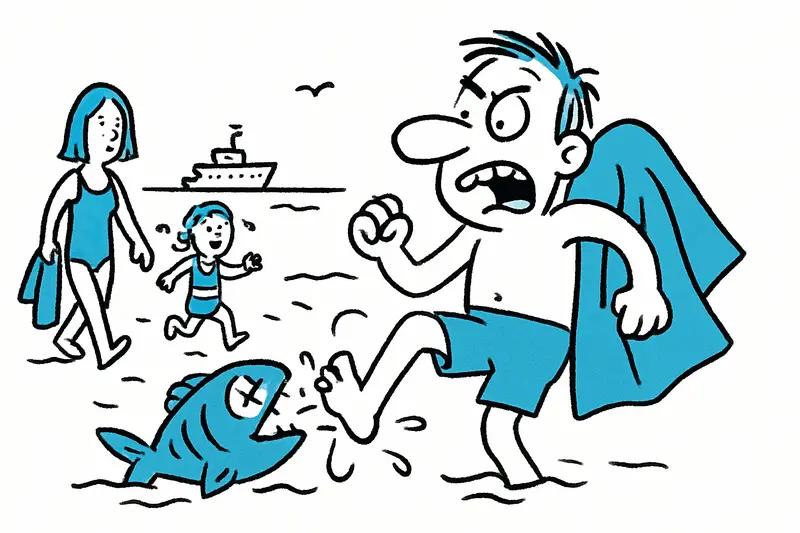
In the afternoon on the Passeig Marítim: tourists carry towels, children shout, a ferry honks in the bay. In the water the sunlight flickers between swimmers' legs — and somewhere underneath there is suddenly a nip at the foot. Reports like these have reached the beaches around Palma repeatedly in recent days, notably Cala Major, but also Ses Illetes, Playa de Palma, Sa Ràpita, S'Estanyol, Cala Pi and Cala d'Or.
Key question
How dangerous are these encounters really, what is biologically behind them, and how should beach visitors and municipalities react so that small nips do not become bigger problems?
Brief analysis: Who are the culprits and why do they bite?
According to eyewitness reports and population observations, the nipping animals are most likely sea bream. These fish have a silvery body with two darker cross-stripes and a small, thick-lipped mouth with strong teeth. In coves with many people they get used to food and lose their fear. Unlike classic predators, they do not attack swimmers deliberately, but act opportunistically: stationary feet, hands or open, inflamed skin areas are easy to reach and get investigated — sometimes with a short, painful nip.
What is missing in the public discourse
The discussion mostly remains anecdotal: 'Someone got nipped' or 'they are bolder this year.' There is a lack of clear local numbers, uniform reporting channels and clearly visible notices at affected beaches. I also often miss practical tips for holidaymakers — short, visible and multilingual. And finally: who feeds the fish along the promenades? The issue of feeding is rarely addressed openly, even though it sets the tone for this proximity.
Everyday scene on Mallorca
I think of the small beach bar at Cala Major: in the morning the staff set up loungers, the street music mixes with seagull cries. Guests dive in contentedly, older locals wade into knee-deep water with beach shoes. Some drop breadcrumbs; others stand for hours with their feet in the sea and are at once invitation and easy food. This is not an accusation, more an observation: behavior on the beach shapes behavior in the water.
Concrete, practical solutions
- Behavior in the water: Do not stand still in knee-deep water; instead move your feet by shuffling — this deters many curious fish. When entering and leaving the water, wear water shoes. Anyone with open scratches or insect bites should cover them before swimming.
- No feeding: Do not throw breadcrumbs or leftovers into the water. That creates false expectations in the fish and alters local food webs.
- Visible notices: Municipalities should post simple multilingual signs at affected beaches: Fish approaching — do not feed. Include short first aid tips, such as wound cleaning with fresh water, disinfection, dressing and the option to inform the lifeguard.
- Reporting channels: Beach patrols, tourism offices and local health centers must record incidents. Only with reliable data can clusters be detected and countermeasures planned.
- Training and equipment: Lifeguards should be informed about typical cases and equipped with basic dressing material. Local guides and rental operators could also receive brief information.
What authorities should examine
No panic is needed, but facts are: systematic surveys of frequency, temporal patterns (time of day or season), links with feeding and water protection would be useful. Environmental or fisheries authorities can check whether certain spots are considered hotspots and whether temporary measures make sense — for example information campaigns rather than blanket bans.
Practical first aid on site
For minor bite or nip wounds: rinse the wound with clean fresh water, remove visible foreign matter, disinfect and, if necessary, loosely bandage. Stop bleeding with pressure. Seek medical advice urgently for more severe injuries, persistent bleeding, signs of infection or if a tetanus booster is overdue.
Conclusion
Cala Major and other popular beaches are lively everyday places — that is the appeal. Incidents with nipping fish are mostly unpleasant, rarely dangerous, but annoying enough to take seriously. Instead of alarmism, we need clear information, simple rules of conduct and more visibility on site. A small sign, a few hints from the beach bar, good shoes in the suitcase and an eye on your feet while swimming — often that is enough so the nip remains just a memory and not a summer worry.
Frequently asked questions
What causes nipping fish at Mallorca beaches like Cala Major?
How can I prevent fish nips when swimming at Cala Major?
Should I feed fish near Mallorca beaches, and what happens if I do?
What signs should Mallorca beaches display about fish behavior?
How should authorities track fish-nip incidents on Mallorca's beaches?
What is the recommended on-site first aid for a minor fish nip on Mallorca's beaches?
What practical gear should I bring to Mallorca beaches to reduce nips?
Are nipping incidents common on Mallorca beaches, and do they vary by time or place?
Similar News

Rental Car Theft in El Arenal: What This Incident Reveals About Our Gaps
A teenager steals a running rental car in El Arenal, flees on foot, climbs over walls and is caught by the Guardia Civil...

Red Rope in Palma's Library: What Helps Against Selfie Tourism — and What's Missing
Palma's city library cordoned off an area with a red rope to keep selfie tourism away from reading and working activitie...

Fort San Carlos: Museum, Harbor Dispute — and a Conflict That Demands Answers
The military museum at Fort San Carlos sits right on Palma's harbor, with unexpectedly quiet rooms filled with cannons a...
Old Town Under Pressure: When a Doorway Becomes a Sleeping and Shower Place
For months a woman has been living with a parasol, a clothes rack and personal belongings next to the social welfare off...

When Shopping Weighs Heavier: Mallorca Demands a Tax Pause on Food and Fuel
Rising prices are putting pressure on households and agriculture. The Balearic Islands are calling for temporary tax rel...
More to explore
Discover more interesting content

Can Cap de Bou

Townhouse Lleo 72
