
When Shopping Weighs Heavier: Mallorca Demands a Tax Pause on Food and Fuel
When Shopping Weighs Heavier: Mallorca Demands a Tax Pause on Food and Fuel
Rising prices are putting pressure on households and agriculture. The Balearic Islands are calling for temporary tax relief on food, electricity and fuel — but is it enough?
When Shopping Weighs Heavier: Mallorca Demands a Tax Pause on Food and Fuel
Regional relief package or symbolic politics? An assessment from everyday life on the island
Key question: Can a time-limited suspension of value-added tax on staple foods and a reduction on energy and fuel ease the real hardship in Mallorca — or does it mainly expose political rhetoric?
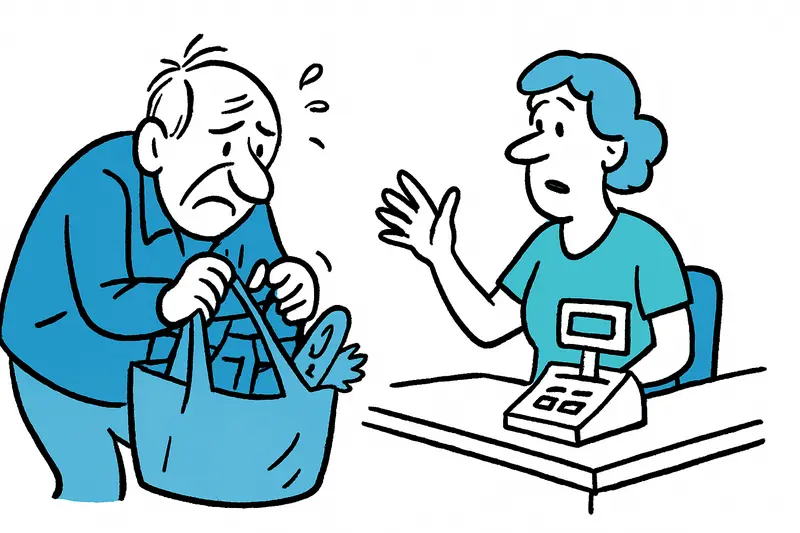
In Palma's market halls, for example at the Mercat de l'Olivar or the busy Santa Catalina market, traders and customers notice the change immediately: fewer locals linger, older shoppers look twice at price tags, and plastic carrier bags are rarer. At the same time, delivery trucks roar along Avenida Gabriel Roca early in the morning, and fuel costs weigh on freight bills. Against this backdrop, the regional People's Party in the parliament sent a list of demands to Madrid: a temporary VAT exemption for basic foodstuffs until the end of the year with a review in January, a reduction of VAT on electricity and gas to ten percent, and lower duties on fuels.
Analysis: At first glance, the concept is a quick way to support purchasing power. But economically the effect is not automatically guaranteed. A blanket tax cut relieves all buyers — but it does not target households with low incomes. There is also the risk that retailers and intermediaries will not fully pass the measure on to end prices. On an island with limited supply routes, freight surcharges also play a role: even zero percent VAT changes nothing about rising transport costs if compensation payments for the transport of goods are not adjusted.
What is often missing from the public debate is the question of targeting and control. Who actually receives the relief? Are there mechanisms to check that reductions are passed on to consumers? How will EU and national VAT rules be observed? And not least: How are persistent problems such as housing rents, which financially wear down many households, to be addressed in parallel?
A look at the countryside: agriculture is close to the edge. Associations report sharply rising diesel prices — even more severe on the Balearics than elsewhere — and crop losses in a difficult season. Higher operating costs, they say, cannot simply be passed on to buyers because purchasing power is falling and tourism revenues fluctuate seasonally. The temporary subsidies for professional fuel that existed last year ran only briefly. That left many producers without a reliable perspective.
Concrete proposals that go beyond short-term tax freezes: targeted fuel vouchers or reduced rates only for professional drivers and agricultural businesses; a readjustment of compensation payments for goods traffic to the islands to reflect real freight costs; temporary price caps for butane and propane with strict market supervision; state subsidies for small retailers and weekly markets to preserve local supply; direct, time-limited transfers to low-income households instead of blanket tax cuts; and mandatory monitoring of retailers to ensure price savings are passed on.
What politics needs now is transparency and speed: Madrid must deliver quick, legally sound instruments; the Balearics should build control bodies in parallel — for example, municipal teams that monitor market prices and clear rules for disbursing targeted aid. On the Plaza Major you see aging neighbors sitting together and doing the sums while children with school bags run around — such scenes show that the crisis is not abstract but lands in the shopping basket every day.
Conclusion: Tax relief can provide short-term breathing room, but it is not a panacea. Without targeted measures for farmers, transport and the socially vulnerable, the effect risks fizzling out. Politics must now think in detail, monitor and combine measures: send help where it works, not just where it feels good.
Frequently asked questions
How could a temporary VAT reduction on staple foods affect prices in Mallorca?
What are the challenges of implementing targeted subsidies for farmers and transport in Mallorca?
Would a VAT cut show up in prices at Palma's Mercat de l'Olivar?
What roles do local authorities in Mallorca play in ensuring price savings reach consumers?
Are there plans to cap energy prices or provide help to low-income households in Mallorca?
How might diesel costs affect farming and markets across Mallorca?
What is the difference between blanket tax cuts and targeted relief in Mallorca?
What practical steps could help Mallorca maintain local supply during price relief discussions?
Similar News
Almost 70 Euros for Just Under Three Hours of Parking: The Trap at Son Sant Joan
A short work errand at the airport ended with a surprisingly high parking bill. Why the two-hour tariff limit raises so ...
Goodbye Megayachts: Why Palma's Port Is Now Focusing on Small Luxury Liners
Four smaller luxury liners berthed in Palma at the same time recently — around 1,600 passengers on board, plus about 2,0...

Fear in the Sa Teulera Forest: Youth Groups Harass Cruising Zone in Palma
In the wooded area of Sa Teulera, those affected report verbal attacks, property damage and intimidation. How safe is th...
Axa opens first health center in Palma: €3 million, 650 m² and more local access for La Vileta
In the heart of La Vileta, Axa has opened its first own health center in Mallorca. On around 650 square meters and with ...
30 Years of Nit de l'Art: What Palma's Art Night Really Shows — and Conceals
Nit de l'Art celebrated its thirtieth anniversary: full galleries, young visitors — and the quiet tensions between the a...
More to explore
Discover more interesting content

Can Cap de Bou

Townhouse Lleo 72
