
Fear in the Sa Teulera Forest: Youth Groups Harass Cruising Zone in Palma
Fear in the Sa Teulera Forest: Youth Groups Harass Cruising Zone in Palma
In the wooded area of Sa Teulera, those affected report verbal attacks, property damage and intimidation. How safe is this meeting place anymore — and who protects the victims?
Key question: Who protects people who meet in Sa Teulera when groups of young men escalate the situation?
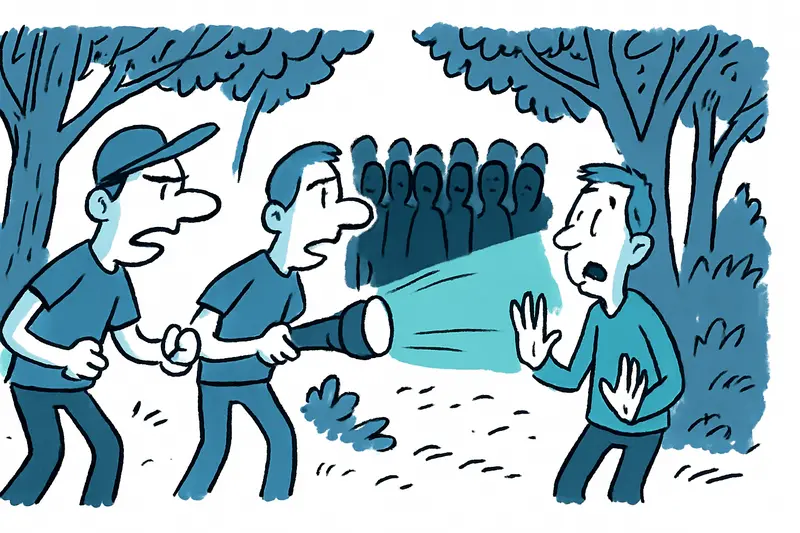
On a late summer evening in Palma: the sound of engines on the access road, a flashlight sweeping over undergrowth, the rustle of shoes on dry leaves. Several people who visit the meeting place in the Sa Teulera wooded area describe the mood of recent weeks like this. What for a long time existed more quietly has, for some, become a place of fear.
Accounts from those present speak of insults with homophobic slurs, vandalism of parked cars and knocked-over motorcycles. Some say they were surrounded by groups and had to flee in fear. Similar escalations have led to arrests in Palma before, such as Arrests after threats at the city beach: Why an evening stroll must become safer again. Others have taken photos showing groups of youths with flashlights. Such descriptions show: the situation is distressing and potentially dangerous for those affected.
Important: these are statements from affected people, not verified police crime statistics for these specific incidents. However, the local LGBTI organization Ben Amics reports that around 100 cases of physical or verbal attacks on people from the LGBTI community are registered in Palma each year. There is also another known meeting place at La Niña Muerta in the Es Carnatge area, which has not so far been reported to experience similar events to the same extent.
Critical analysis: What is wrong — and why isn't more being done?
The situation raises several questions. First about visibility and protection: meeting places like the woodland often lie in a grey area between public space and a retreat. It is precisely there that problems with responsibilities arise. Who controls the area at night — the Policía Local or the Policía Nacional? Is sporadic presence enough, or are targeted, recurring measures needed? This issue is also central to discussions about nightlife safety like in Nighttime Attack on the Paseo Marítimo: How Safe Is Palma’s Party Mile Really?.
Then the question of willingness to report: people who meet in such places often hesitate to report incidents officially out of fear of stigma or legal consequences. This fosters a climate of impunity. There is also a perception gap: for residents and passers-by the encounters may appear as a "youth prank", while for those affected they are threats with possible physical and psychological consequences.
Finally, the role of prejudice in society. If homophobic attacks are not clearly categorized and consistently prosecuted as hate crimes, that sends a bad signal. Public debates about safety, tolerance and prevention often remain superficial because the victims do not speak out loudly or because those responsible have no clear plan.
What is missing from the public discourse
Concrete figures on reported incidents in Sa Teulera, comprehensible statements from the responsible police authorities about nightly presence, and a transparent presentation of what assistance victims can actually access right now — these are points currently missing from the conversation. High-profile cases such as Sexual assault at the Intermodal: What the incident reveals about safety and accessibility in Palma have highlighted gaps. Also lacking are pragmatic security measures that do not rely solely on repression, but combine prevention, counseling and municipal solutions.
The perspective of the young people who allegedly form the groups is also rarely heard. Understanding is not justification: behind provocation there can also be boredom, peer pressure or ignorance of the consequences. Public ignoring does not lead to a solution.
Everyday scene from Palma
Anyone who drives to Sa Teulera knows the narrow access road, the eucalyptus trees that spread their characteristic scent in the wind, and the parking signs on the roadside. On a cool morning, residents sit with coffee on the plaza and exchange nervous looks when motorcycles roll home late at night. The neighborhood association emphasizes that problems were rare in the past — the change is noticeable and makes people suspicious of walkers with flashlights.
Concrete solutions
- Increased, coordinated presence: Police (local and national) could plan regular patrols in coordination with the municipality, clearly announced and with fixed time windows so that people present know protection is available. Such approaches echo recent measures discussed in Palma Tightens Controls: More Security — or a New Punitive Culture?.
- Strengthen anonymous reporting channels: a low-threshold, confidential channel via the counseling services of the Consell de Mallorca together with Ben Amics should be publicly advertised so victims can report incidents without fear.
- Lighting and signage measures: strategically placed lighting at access points and clear information signs can deter without completely criminalizing meeting places.
- Prevention work with young people: workshops in schools and youth centers that address respect, legal consequences and empathy, rather than relying solely on punishment.
- Joint mediation: a round table between residents, police, social services and LGBTI organizations to develop local solutions that combine protection and discretion.
It is important to strike a balance: measures must not lead to further stigmatization. Protection and respect must go hand in hand.
Conclusion
The reports from Sa Teulera are a warning sign for Palma: those who create safe spaces must not allow them to be transformed into places of intimidation. More transparency, better reporting channels and cooperation are needed that consider both the safety of those affected and the rights of residents. Anyone waving a flashlight in the woods at night should know that there can be consequences — and that there are also services that help without causing harm. The clock is ticking; the decision on how seriously the city takes these incidents now lies with the authorities, neighborhoods and civil society.
Frequently asked questions
What safety options exist for people meeting in Sa Teulera forest in Palma at night?
How can residents report incidents anonymously in Mallorca without fear of stigma?
What is Sa Teulera and why is it mentioned in discussions about safety in Palma?
What roles do police forces play in protecting nighttime meet-ups in Palma, and what questions remain?
Are there proposed infrastructure changes like lighting or signage around Sa Teulera to deter harassment?
How is homophobic violence addressed in Palma, and what counts as a hate crime in this context?
What prevention strategies are suggested to address issues among youths near Palma’s meeting spots?
How does La Niña Muerta in Es Carnatge relate to Sa Teulera in Palma’s safety conversation?
Similar News
Axa opens first health center in Palma: €3 million, 650 m² and more local access for La Vileta
In the heart of La Vileta, Axa has opened its first own health center in Mallorca. On around 650 square meters and with ...

30 Years of Nit de l'Art: What Palma's Art Night Really Shows — and Conceals
Nit de l'Art celebrated its thirtieth anniversary: full galleries, young visitors — and the quiet tensions between the a...
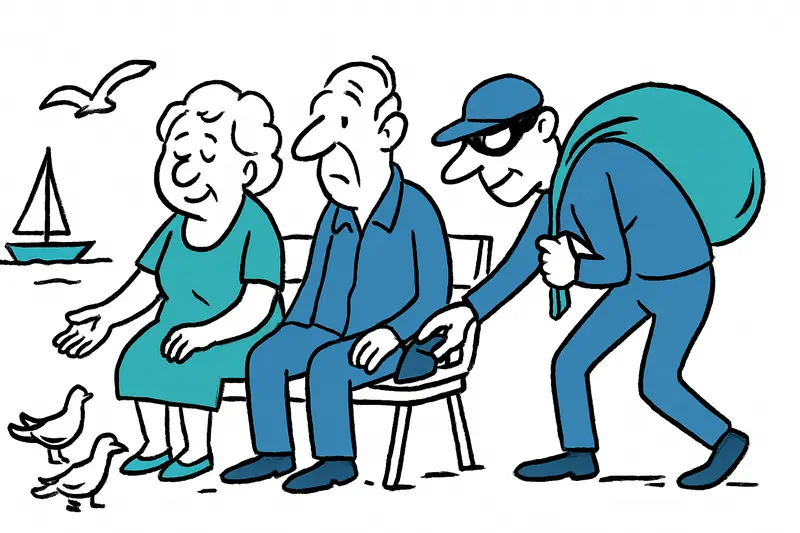
Hunt for Older Holidaymakers: Arrests after Suspected Pickpocketing in Port d'Andratx and Bellver
Five suspects were arrested after investigators accuse them of targeted pickpocketing of elderly tourists in Port d'Andr...
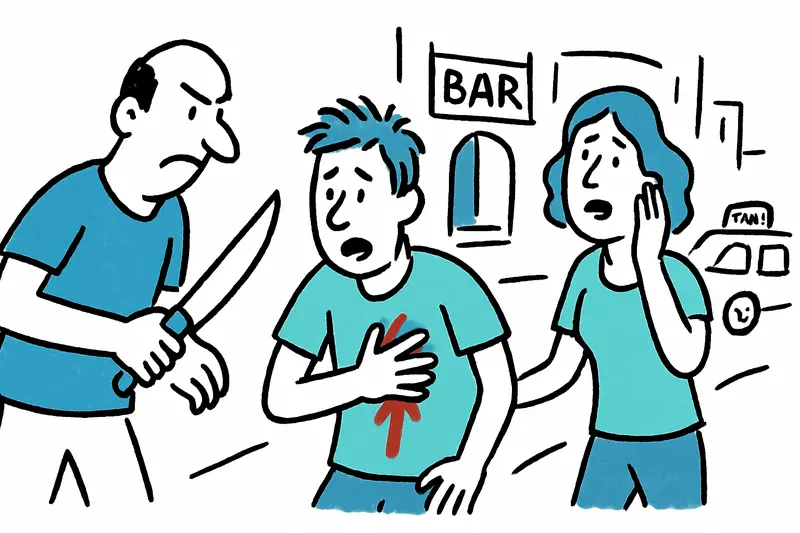
Knife stabbing in Magaluf: Why it must not remain an isolated incident
A 21-year-old tourist was stabbed in the chest in Magaluf and is in life-threatening condition. A reality check: what's ...

At Ten, Between Shoots and Schoolwork: Luna's World Tour from Palma
Luna is ten, 1.31 meters tall and already an in-demand child model. Between Ibiza, Paris, Lisbon and Berlin she commutes...
More to explore
Discover more interesting content

Can Cap de Bou

Townhouse Lleo 72
