
Old Town Under Pressure: When a Doorway Becomes a Sleeping and Shower Place
Old Town Under Pressure: When a Doorway Becomes a Sleeping and Shower Place
For months a woman has been living with a parasol, a clothes rack and personal belongings next to the social welfare office in Palma's Old Town. Neighbors are unsettled — the city remains silent. What is missing is a plan that protects people and holds the neighborhood together.
Old Town Under Pressure: When a Doorway Becomes a Sleeping and Shower Place
A resident complains about a permanent sleeping place and public hygiene – guiding question: How do we really deal with such situations?
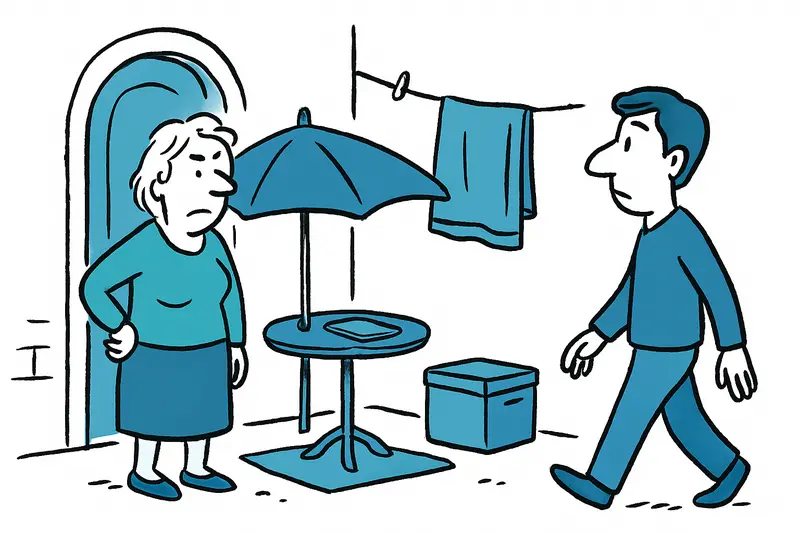
On Calle de la Ferreria, not far from the social welfare office, a woman appears to have set up a permanent camp. A parasol, a small table, a clothes rack and personal items stand so close to the doorway that pedestrians sometimes have to step aside. Residents speak of a situation that has continued for months. One complaint in particular has drawn attention: according to it the woman is said to wash herself on the street and at times to have been partially unclothed. This account cannot be independently verified; it is the perception of a neighbor who feels disturbed by the sight.
Guiding question: How can the city, social services and residents at the same time respect the dignity of the person affected and protect public life in the narrow streets of the old town? This is not an easy balance: everyday concerns, legal questions and human distress collide here.
Critical analysis: That a person remains on the street next to a social welfare office for months points not only to individual failure but to gaps in the system, as discussed in Mallorca's Streets Are Growing Longer: Why More Than 800 People Are Homeless. If a social service is within walking distance, regular checks, visits by streetwork teams or clearly communicated offers of help should actually take place, a shortcoming illustrated in When Work Isn't Enough: Palma and the Growing Number of Homeless People. Instead, neighbors report the impression that nothing is happening. At the same time, there is a danger that residents' complaints lead to a purely regulatory approach that simply displaces the person without ensuring care. Both extremes — ignoring and displacing — are wrong.
What is often missing in the public debate is the perspective of the person affected. Why did she choose this particular spot? Is it lack of access to day centers, fear of shelters, mental health problems or mistrust of institutions? Such questions are rarely asked publicly, because emotions and disgust react faster than curious inquiry.
Everyday scene: On an early morning in Calle de la Ferreria one can hear the distant tolling of a church bell, delivery vans, pans clattering in a bar, a mother pushing a stroller who pauses for a moment to look at the clothes rack. A street sweeper brushes grit from the cobbles. Everything seems normal — and yet there is this makeshift arrangement that changes the rhythm of the neighborhood.
Concrete solutions: In the short term, streetworkers should make contact and offer low-threshold support: hygiene facilities, laundry service, secure storage for belongings and a concrete offer of a night shelter. Mobile shower and laundry containers, as used in other cities, could ease the acute problem without criminalizing the person, a dynamic also visible in Homelessness on Paseo Mallorca: When the Park Bench Becomes the Final Address.
In the medium term, the island needs more affordable housing and supported living options for people with complex problems. The municipal administration should transparently present which steps it is taking and create a coordination office that brings together residents' complaints, social services and available resources. Mediation between affected neighbors and social workers can reduce tensions and produce concrete agreements — for example times for hanging laundry or using a covered area. Converting vacant offices and shops into apartments is one policy under consideration, as explained in Palma allows the conversion of vacant offices and shops into apartments.
Legal clarity is important: rules on the use of public ways and on “public exposure” should be known and applied fairly. That means: if an enforcement measure becomes necessary, it must be coupled with offers and accompaniment, not mere displacement.
What is missing in the discourse is the courage to combine measures: no pure repression policy, but also no glossing over of conditions. There must be committed streetwork, clear communication channels for residents and low-threshold infrastructure for hygiene and storage. In the long term, investments in supported housing and social inclusion are indispensable.
Conclusion: The parasol and clothes rack on Calle de la Ferreria are a symptom. Anyone who wants to keep the old town livable must tackle the cause: get people off the street, offer them safe alternatives and give neighborhoods perspectives. Looking away or immediate displacement harms everyone.
Frequently asked questions
What is the best time of year to visit Mallorca for warm weather and beaches?
Is the sea in Mallorca suitable for swimming throughout the year?
What should I pack for a trip to Mallorca?
What are some good outdoor activities to enjoy in Mallorca?
Which beaches in Mallorca are best for families?
Do I need rain gear when visiting Mallorca?
What are the best ways to get around Mallorca if I don’t rent a car?
Is Mallorca a safe destination for travelers?
Similar News
Rental Car Theft in El Arenal: What This Incident Reveals About Our Gaps
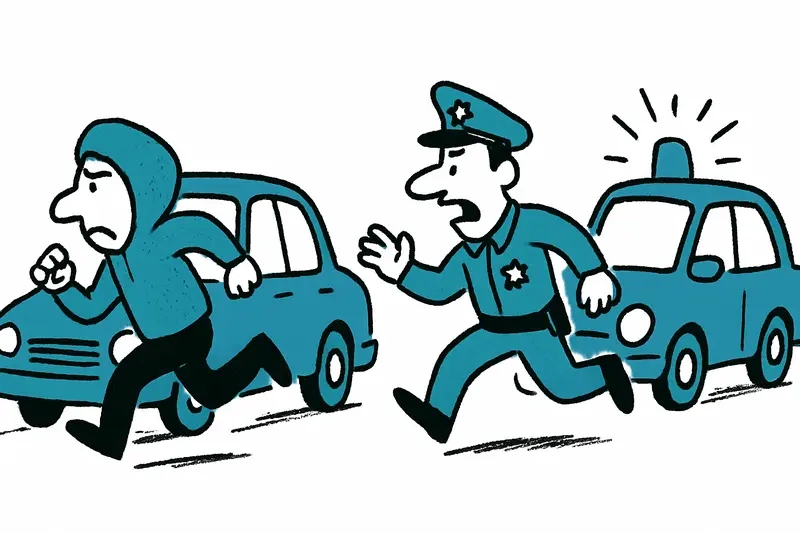
A teenager steals a running rental car in El Arenal, flees on foot, climbs over walls and is caught by the Guardia Civil...
Red Rope in Palma's Library: What Helps Against Selfie Tourism — and What's Missing
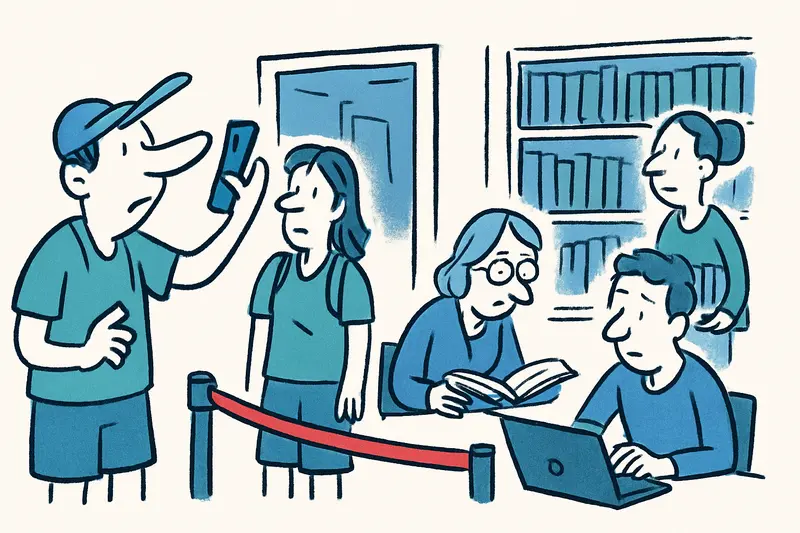
Palma's city library cordoned off an area with a red rope to keep selfie tourism away from reading and working activitie...
Fort San Carlos: Museum, Harbor Dispute — and a Conflict That Demands Answers
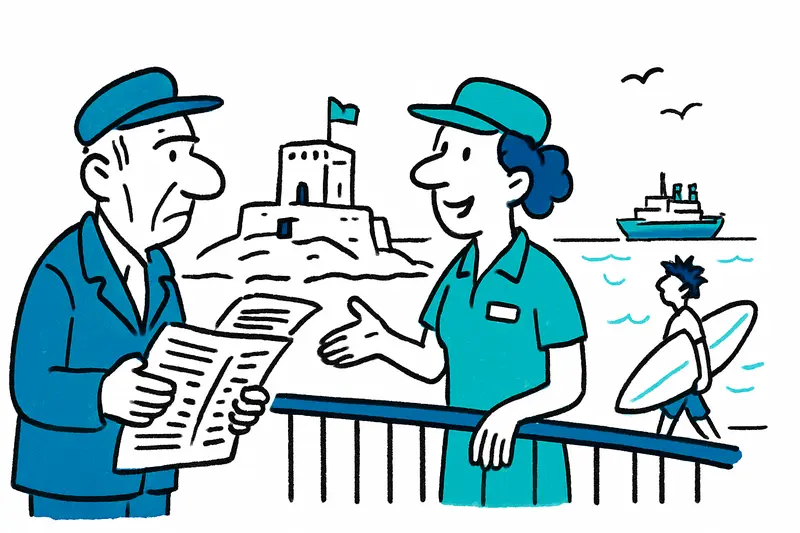
The military museum at Fort San Carlos sits right on Palma's harbor, with unexpectedly quiet rooms filled with cannons a...
When Shopping Weighs Heavier: Mallorca Demands a Tax Pause on Food and Fuel
Rising prices are putting pressure on households and agriculture. The Balearic Islands are calling for temporary tax rel...

Almost 70 Euros for Just Under Three Hours of Parking: The Trap at Son Sant Joan
A short work errand at the airport ended with a surprisingly high parking bill. Why the two-hour tariff limit raises so ...
More to explore
Discover more interesting content

Can Cap de Bou

Townhouse Lleo 72
