
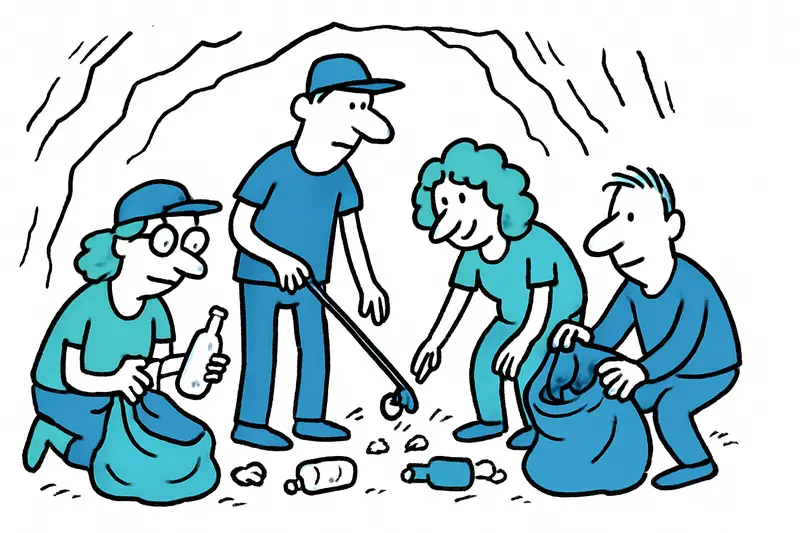
Volunteers Clean Cova de Cala Petita in Portocristo
One weekend, residents and cave explorers collected waste from the Cova de Cala Petita: glass, plastic and small items, many dating from the 1980s and 1990s. The action is intended to be repeated regularly.
Volunteers remove decades-old waste from Cova de Cala Petita
Portocristo shows how neighbors keep beach and cave clean
Early on Saturday morning, when the fishing boats were still gently rocking in the harbor and the air smelled of sea and damp limestone, a handful of volunteers met above the small bay of Cala Petita. Some wore old work gloves, others carried a headlamp in their bag — the mood was pragmatic rather than ceremonial.
Together with members of the Federation of Cavers of the Balearic Islands they entered the Cova de Cala Petita, as reported in Voluntarios limpian la Cova Petita en Portocristo: orgullo por el trabajo, pero indignación por los hallazgos y la pregunta de cómo evitar de forma permanente el vertido reiterado de residuos. and retrieved glass bottles, plastic fragments and countless small items from crevices and little hollows in the cave. Many of the finds could be roughly dated: packaging, bottles and cans that clearly come from the 1980s and 1990s. Back then it was not uncommon on the island to dispose of waste in holes or caves — memories of other times now lay in bags at the cave entrance.
The action was not a big event with banners, but a practical deed: collect waste, sort it and dispose of it properly. Some helpers dragged old shards of glass from the path to the road, others documented unusual finds. It was clearly about responsibility for the place: the bay, the cliffs and also the animals that live here.
Anyone walking along the Portocristo promenade on a sunny Sunday could see the follow-up work: filled bags at the roadside, a makeshift pile of old metal parts, conversations about suitable collection dates for next year. At the small kiosk opposite, the helpers later drank coffee — the sound of waves, voices and seagulls formed the backdrop to a quiet satisfaction.
Why is this relevant for Mallorca? Such efforts protect sensitive habitats. Limestone caves are refuges for bats, small crustaceans and rare insects. Plastic and glass not only endanger wildlife but also change how visitors and locals perceive the place. Cleaner areas are not just about aesthetics; they preserve habitats and improve the microclimate in vulnerable coastal spots.
The involvement of caving experts is no coincidence: they bring experience in working safely in confined spaces, know where not to touch and how to document finds without damaging the geology. Such collaborations between residents and specialists are a good model for small projects across the island.
Concrete ideas discussed by the group included: regular cleanups in spring and autumn, clear collection points at the parking area above the bay, information signs along the paths about proper disposal and simple protective gear for volunteers — gloves, litter pickers, sturdy bags. They also considered keeping a small map of “hotspots” to make future operations more efficient.
For readers who want to help: comfortable shoes, gloves and a jacket are usually enough. Those interested in cave work should register with local groups or the federation — for safety reasons some areas are only accessible with experienced people. Even an hour helps, and a few people in the right place can achieve a lot.
The day in Portocristo was a small but tangible proof of what neighborhood help can look like: no big words, just work that lasts. When you later let your gaze sweep over the bay and see the emptiness left by the collected bags, you immediately think of the island’s coffee‑chat image — and how simple it can be to keep your own corner clean.
Outlook: The group plans further actions; the idea is to repeat the operation quarterly and involve local actors — dive clubs, schools and the municipality, similar to other coordinated efforts such as World Clean Up Day: Voluntarios limpian Cala Gamba. Small steps, taken regularly, can make a difference: less waste in caves, more space for nature and a fresher bay for everyone.
Frequently asked questions
Why are caves in Mallorca cleaned by volunteers?
What kind of waste is usually found in caves like Cova de Cala Petita?
Is Cova de Cala Petita in Portocristo open to the public?
How can I help with beach or cave cleanups in Mallorca?
What is the best time of year for cleanups in Mallorca?
Why do volunteers work with caving experts in Mallorca?
Why is Portocristo involved in cave and beach cleanups?
Do local cleanups in Mallorca make a real difference?
Similar News
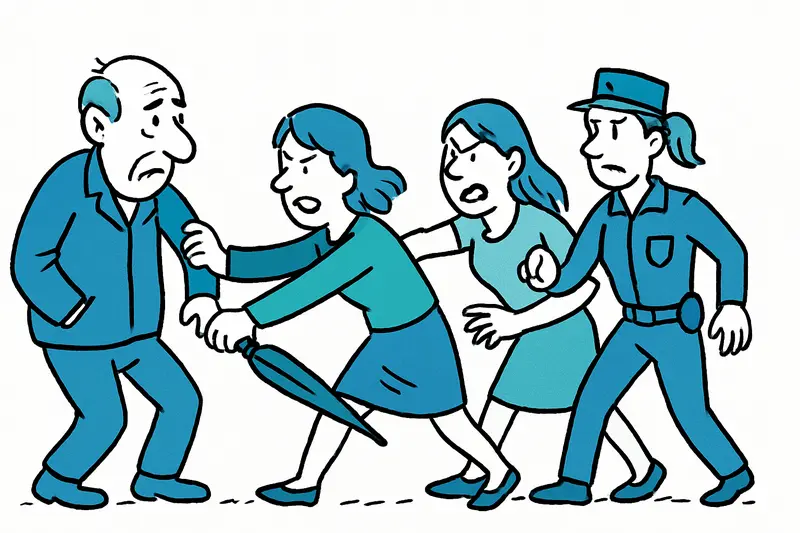
When the Wallet Becomes a Danger: Attack in Peguera and Lessons for Mallorca
In Peguera, two women are said to have stolen the wallet from a 75-year-old German couple. When the victim intervened, t...
Plata stays Plata: Young people take over, Llonguets remain
A small bar on Carrer de l'Argenteria will continue: Tolo Serra hands the place over to young Mallorcans at the end of t...
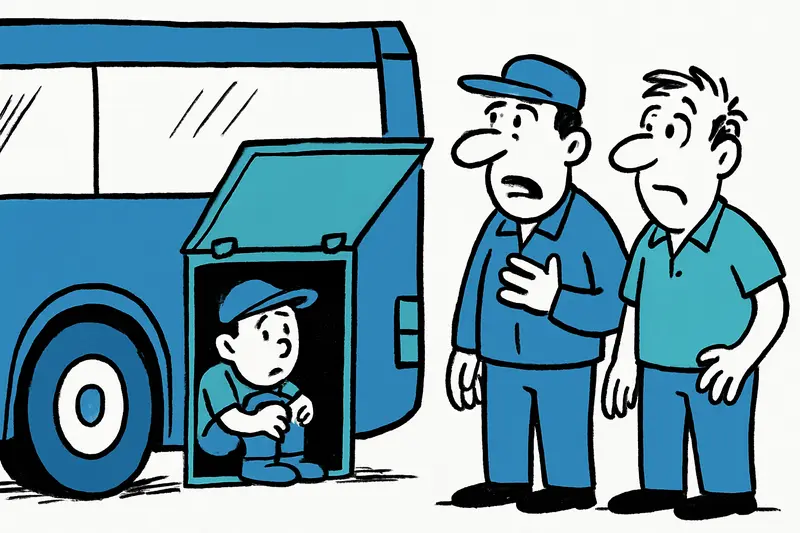
Unnoticed in the Luggage Compartment: How a Boy Traveled More Than 100 Kilometers in a Team Bus
A minor traveled in the undercarriage of a team bus for more than 100 kilometers until his cries for help were heard. A ...

Cap Vermell Grand: Second Michelin Key – a Gift for the East
The Cap Vermell Grand in Capdepera has been awarded its second Michelin key. For the region this elevates the luxury off...
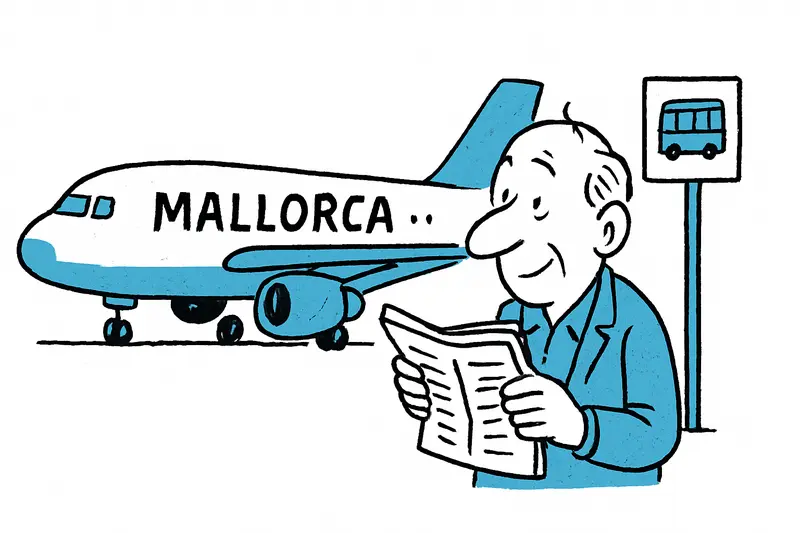
Eurowings lets four aircraft carry names – a friendly idea that also reaches Mallorca
Eurowings is launching a campaign: four Airbus A320s are to carry the first names of people who help others in everyday ...
More to explore
Discover more interesting content

Can Cap de Bou

Townhouse Lleo 72
