

Vouchers for Small Shops: Short-Term Boost or Band-Aid?
Vouchers for Small Shops: Short-Term Boost or Band-Aid?
The Balearic government is putting around one million euros on the line to get customers back into small shops: four vouchers of €15 per person, redeemable from a €30 purchase. A nice gesture — but is it enough?
Vouchers for Small Shops: Short-Term Boost or Band-Aid?
Who do 1 million euros and four €15 coupons really help?
Late morning in Palma's old town: on the Carrer de Sant Miquel shopkeepers roll out their awnings, and on the Plaça de Cort two owners of small corner shops talk about the less crowded pedestrian zone. It is precisely in these streets that the Balearic government plans to act again in May. The Ministry of Economy has confirmed that around one million euros are available so that four vouchers of €15 each are issued per person. The vouchers are tied to a minimum purchase of €30. This initiative was covered by Vouchers in the Balearic Islands: Blessing for the Market - or Just a Flash in the Pan?.
The idea is simple and sympathetic: whoever spends €30 effectively receives a €15 discount — up to four times per person. For many small retailers this can temporarily fill the till: a café on Passeig Mallorca, a bookshop on Calle Jaume III or a tailor in Santa Catalina could benefit on slow days.
But the guiding question remains: are such vouchers enough to solve structural problems? One million euros sounds like a lot, but measured against the real costs of the island's retail world it is a drop in the ocean. Trade associations welcome the measure but at the same time demand long-term solutions; the debate echoes concerns raised in More than 400 traditional shops on the Balearic Islands: protection or a band-aid for a deeper problem?. The math is simple: a one-off discount boosts sales briefly; but rising rents, online competition, logistics costs and staff shortages remain.
Critical points that have so far received too little attention in the public debate: who are the recipients? Are the vouchers limited to registered residents — or can temporary residents and tourists also use them? How will abuse be prevented? What administrative costs arise from issuing and redeeming them? At almost every market stall at the weekly markets I notice how important uncomplicated procedures are; additional bureaucracy could end up costing more than it brings in.
An everyday scenario: Marta, owner of a small shoe shop near the Mercat de l'Olivar, agrees to accept the vouchers — provided redemption is simple. She has no time for complex registrations. If the system relies on complicated QR codes, long reimbursement waiting times or technical hurdles, customers will be put off and the shop will be burdened.
From these observations concrete proposals can be derived: first, transparent target group definition. If the action is limited to residents registered in the municipal roll, tourism would be excluded and the effect on local consumption cycles would increase (see Discount campaign for Calvià residents starts: 25,000 vouchers to encourage spending). Second, simple processing channels. Direct settlement between retailers and the responsible ministry or municipalities prevents small shops from having to pay upfront. Third, linked measures for digitalisation: grants for a basic online presence, training in social media marketing or shared local delivery services could strengthen retailers sustainably.
Other areas to address: rental costs and seasonal fluctuations. A voucher programme is not enough if fixed costs are too high. Municipal incentives for temporary use of vacant retail spaces, tax relief for small businesses in problem neighbourhoods or subsidised coworking and storage spaces would provide longer-term stability.
With this measure the Balearic government has a tool that is immediately visible — politically effective and able to increase shopping incentives in the short term. But we must not forget: small shops live from repeat customers, good advice and local roots. You do not achieve that with one-off coupons, but with a combination of infrastructure, digital upgrades and fairer framework conditions.
My pointed conclusion: the vouchers are not a mistake — they are a starting shot, not a destination. If distribution is kept administratively lean, the target group clearly defined and real investments in the competitiveness of small retailers made in parallel, a short-term impulse can turn into longer-term growth. If it remains limited to isolated actions, in a few months we will be having the same conversations on the streets of Palma — and neither shopkeepers nor customers want that.
Frequently asked questions
How do the Mallorca shop vouchers work?
Who can use the Mallorca vouchers in small shops?
Are Mallorca shop vouchers enough to help small businesses?
Which Mallorca shops are likely to benefit from the voucher scheme?
How should small shops in Mallorca handle voucher redemption?
What places in Palma could feel the effect of the vouchers?
Why are Mallorca vouchers being introduced now?
What else do Mallorca small shops need besides vouchers?
Similar News
Injured captain, big plans: Germania Mallorca before the away match in Consell
The newly founded FC Germania Mallorca travels to Consell on Saturday. Captain Bastian Müller is out injured, but coach ...
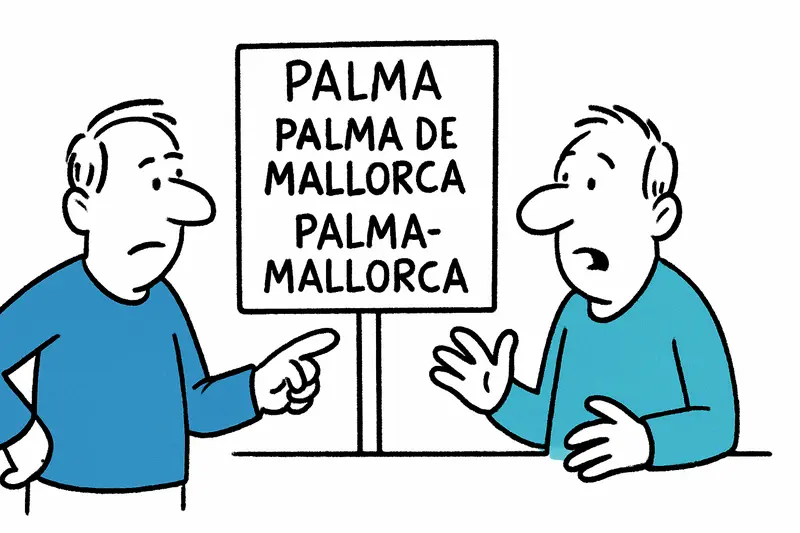
Palma, Palma de Mallorca, Palma‑Mallorca: What is it really about?
The debate over the city's name is more than grammar: it concerns identity, law and branding policy. A sober reality che...

Warning to Bathers: Nipping Fish in Cala Major and Other Coves — a Reality Check
In Cala Major and several beaches around Mallorca, bathers report painful “nips”. Who are the animals, why are they gett...

Rental Car Theft in El Arenal: What This Incident Reveals About Our Gaps
A teenager steals a running rental car in El Arenal, flees on foot, climbs over walls and is caught by the Guardia Civil...
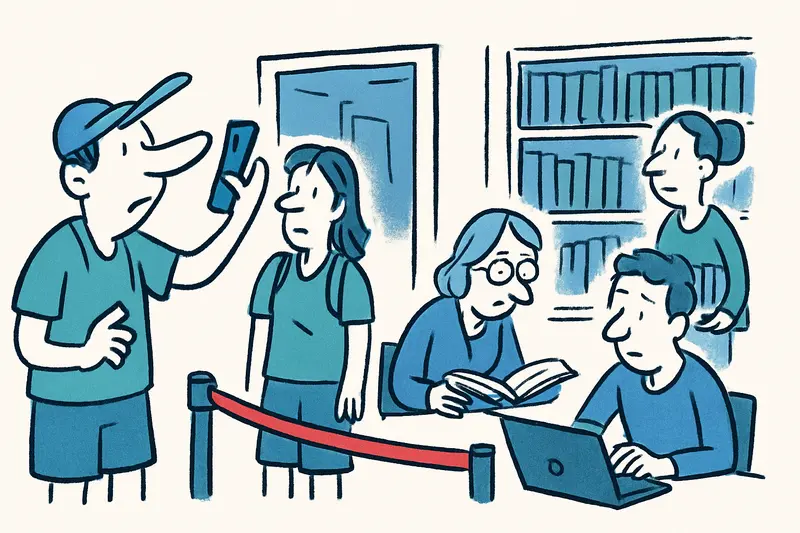
Red Rope in Palma's Library: What Helps Against Selfie Tourism — and What's Missing
Palma's city library cordoned off an area with a red rope to keep selfie tourism away from reading and working activitie...
More to explore
Discover more interesting content

Can Cap de Bou

Townhouse Lleo 72
