
Posters, Provocation, Polarization: How Mallorca's Streets Become a Campaign Ground
New posters from a party in Palma, Inca and on the islands are causing an uproar. What effect do such images have on coexistence — and what can the municipality do?
New posters, loud debates: Mallorca's streets under autumn strain
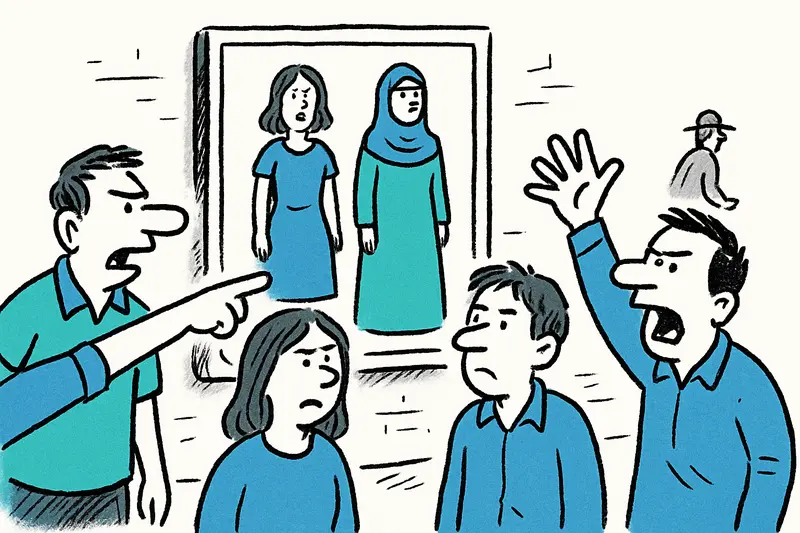
On a windy Thursday evening, as the streetlights on Carrer de Manacor began to flicker yellow, they suddenly appeared on trees, lamp posts and advertising columns: large-format posters showing two women deliberately dressed in contrast, alongside the slogan: "Two ways of life, one choice." The motifs turned up not only in Palma but also in Coll d'en Rabassa, at the market in Inca and — surprisingly — on the neighbouring islands of Ibiza and Menorca, as reported in coverage of the campaign's new posters in Palma, Inca and the islands.
The key question: Does the campaign divide more than it explains?
That very question has been on the minds of people in the neighbourhood for days. A taxi driver summed up the mood laconically: "No coincidence, election campaign." A young student in a café on the Paseo de Mallorca said instead: "It divides rather than informs." Between these two reactions lies the nervousness of many residents: conversations at the market, shared posts on Twitter and X, heated discussions at the bakery. The campaign hits a nerve — and the issue is more complex than the image on the poster suggests.
Analysis: intent, impact and blind spots
Whoever puts up such posters knows their effect. This is a common tactic in political advertising. Provocation produces attention, attention produces debate — and debate produces reach. Parties often measure success in visibility. But how do these images actually work on the ground? First, they amplify existing tensions: visible messages in public spaces are not neutral. They touch everyday situations — from the way to school to the market. In areas like Coll d'en Rabassa, where families, commuters and pensioners live close together, a striking campaign can change relations with neighbours.
An often overlooked aspect is the local infrastructure of outdoor advertising: who pays for the spaces, who authorises them? Some municipalities are now checking whether placements were made in breach of regulations, echoing a government review of controversial posters in the Balearic Islands. Such checks often lag behind rapid distribution. In addition: political imagery meets a multilingual audience — Mallorca's Catalan identity meets Spanish and international residents. This linguistic layering changes perception and is rarely discussed publicly.
Underestimated risks
The posters raise the risk of incidents. Vandalism, hate comments online, verbal confrontations at markets: all already seen, including reports of xenophobic graffiti in Playa de Palma. Some municipalities are openly considering legal steps when posters are hung in sensitive places such as schools or town halls. Tourism businesses are also watching how such debates can affect the atmosphere for visitors — nobody wants heated political messages to dampen a sense of safety or hospitality.
Concrete steps: what municipalities and civil society could do
The debate needs solutions, not symbolic outrage. Some proposals are obvious:
1. Clear rules for political outdoor advertising: Municipalities should define permit-free zones (schools, kindergartens, medical facilities) and introduce faster control mechanisms. A hotline for incorrectly placed posters would help. These proposals would align with Spanish electoral law (LOREG) on campaign advertising.
2. Transparency in funding: Open information about who pays for the spaces creates transparency and reduces conspiracy talk.
3. Local forums instead of online pile-ons: Moderated town meetings or dialogue rounds in marketplaces — especially in places like Inca, where people already meet — could defuse emotions and clarify real questions.
4. Common communication standards: A code of conduct for political advertising on the islands (language, imagery, distance from sensitive sites) would lower the risk of escalation.
A small, realistic outlook
Posters will not disappear. Politics uses symbolism — that is not a new phenomenon. But Mallorca is not a stage for pure provocation; it is a place where people have to live together: on the walk to school, in the supermarket, over coffee. If municipalities act now — with clear rules, swift enforcement and space for dialogue — the island can learn to draw the line between legitimate advertising and social coarsening. Until then, autumn in Mallorca remains a stress test for the public climate.
Note: This text summarises local observations and different reactions. Voices and opinions among the population vary.
Frequently asked questions
Why are political posters in Mallorca causing so much debate?
Are political campaign posters allowed on streets and lamp posts in Mallorca?
Can political posters affect everyday life in Mallorca neighbourhoods?
Why do political posters in Mallorca sometimes seem more provocative than informative?
What should municipalities in Mallorca do about controversial campaign posters?
What happened with the campaign posters in Palma and Coll d'en Rabassa?
Why was the market in Inca mentioned in the poster debate?
Could political poster campaigns in Mallorca affect the atmosphere for visitors?
Similar News
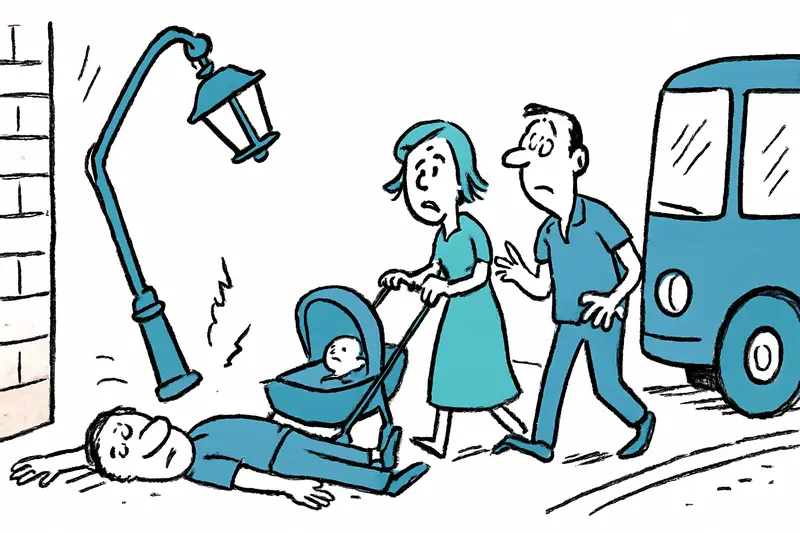
Dead Tourist in Valldemossa: Who Bears Responsibility When Streetlights Become Dangerous?
On the afternoon of August 17 a tourist in Valldemossa was killed by a falling streetlight after a bus grazed the fixtur...
TV tip: Tim Raue discovers Mallorca's cuisine
German top chef Tim Raue is touring Mallorca: in a new episode of his travel series he tries focaccia in Palma's old tow...

Key Ring Instead of Conscience: Maintenance Worker in Manacor Arrested Over Series of Hotel Thefts
A 28-year-old maintenance worker from a hotel in Porto Cristo has been arrested. The suspect is alleged to have repeated...

First Rain Clouds After the Heatwave: A Hopeful Sign for Mallorca
After weeks of continuous sun, Aemet forecasts showers and thunderstorms for Thursday and especially Friday. Rain would ...

Sydney Sweeney and Scooter Braun enjoy quiet days in Mallorca
US actress Sydney Sweeney and music manager Scooter Braun spent several days off Mallorca aboard the megayacht "Rising S...
More to explore
Discover more interesting content

Boat Tour with BBQ along Es Trenc Beach

Private transfer from Mallorca Airport (PMI) to Pollensa
