
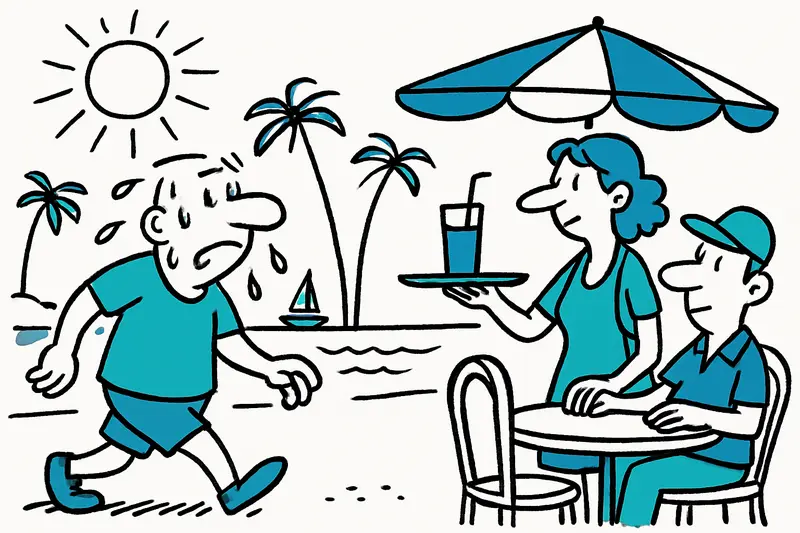
Warm autumn in Mallorca: More sun, more risk – what matters now
Aemet expects an above-average warm autumn in Mallorca. More sunny days are good for the hospitality industry — but dryness, fire risk and rising costs demand concrete answers.
A mild autumn — and still no walk in the park
The Spanish weather agency Aemet forecasts an autumn for Mallorca that will be warmer than the long-term average, as reported in Autumn in Mallorca: Late Summer on the Horizon – Opportunity or Wake-up Call? For many, this initially sounds like an extension of the summer season: cafés on the promenade, tables still outside, guests sitting out until the evening. But behind the warm hours of sunshine lie questions we should not simply cover up with a second helping of sangria.
What do the statistics say — and what do people notice?
Aemet sees more temperatures above the mean and expects about 230 liters per square meter of rain over the months of September to November. Not dry, but unevenly distributed. Last summer was already a forerunner, detailed in Short late summer — then a weather turnaround: What Mallorca needs to know now: the third warmest summer since 1961, peak values above 41 °C and tropical nights when the city air in Palma became heavy and air conditioners hummed loudly.
In the harbor a fisherman tells how catch times have shifted; a waitress from Palma reports longer working days in the afternoon heat. These are the practical consequences: people adjust their daily rhythms, businesses anticipate higher electricity and water costs, landlords consider how to inform guests about changing conditions. These small shifts add up to noticeable strains.
The real question: What does this mean for water, fire and work?
A few more degrees in autumn increase several risks at once. The danger of fires rises, especially in the drier zones of the Tramuntana and inland. At the same time, less consistent rainfall means more demand for irrigation in gardens, vineyards and orchards. For winemakers and farmers this means: harvest plans can shift, quality control becomes more difficult, and irrigation systems run more often.
For the island's economy this has two sides: on the one hand a longer tourist season brings income for hotels, restaurants and leisure businesses. On the other hand operating costs rise — especially for energy and water — increasing the burden on small businesses and households. The question often discussed only on the sidelines is: who bears these additional costs? Hosts, guests or municipal services?
What is being overlooked?
Public debates often perceive only two things: warmer weather is pleasant or dangerous. Less noticed are subtle but important points: rising nighttime temperatures that reduce recovery quality; the increased strain on people in physically demanding jobs; and the logistical problems when drinking water reservoirs fluctuate faster than usual. Local microclimates also play a role: while the west coast still gets wind from the Tramuntana, the south can be significantly hotter and drier during the day.
Concrete measures and opportunities
A mild autumn is not the end of the world — but it requires planning. Some practical suggestions:
1. Save water and irrigate smarter: promote drip irrigation, rainwater cisterns for gardens and public green spaces, and adjusted irrigation times in the early morning hours.
2. Strengthen fire protection: more patrols in risk areas, clear information campaigns for walkers and campers, and prepared firefighting reserves in municipalities.
3. Occupational safety for employees: flexible working hours in hotels, gastronomy and construction; shaded and drinking breaks; inspection of cooling and rest areas.
4. Tourist adaptations: information for guests about changed conditions, incentives for morning and evening activities, support for smaller businesses facing rising operating costs.
One last look: where is the balance?
The expected warm autumn is a balancing act for Mallorca between economic opportunity and ecological as well as social challenge. The island benefits from the extended season, but also feels the costs — in water demand, fire prevention and in people’s everyday lives. Small measures can achieve a lot here: smart irrigation, early communication and more protection for those who work outdoors.
So: yes, sitting outside longer is pleasant. But a few more degrees mean more responsibility. The promenade may remain lively, the sounds of cups and motorboats persist — but it's better to plan now so the next winter does not become an uncomfortable surprise, as discussed in Mild Christmas Weather in Mallorca – Aemet Predicts Double-Digit Temperatures.
Frequently asked questions
Is autumn usually warm in Mallorca?
Can you still swim in Mallorca in autumn?
What should I pack for Mallorca in autumn?
Why is fire risk higher in Mallorca during a warm autumn?
How much rain does Mallorca usually get in autumn?
What does a warm autumn mean for Mallorca’s water use?
How does the warm autumn affect Palma’s daily life?
Is autumn still a good time to visit Mallorca?
Similar News
By Boat Instead of the Road: Palma's Water Bus — a Reality Check
The 'Bus Nàutic' launches in two stages — but questions remain over interim operations, fares and environmental requirem...
Several Days of Rain Approaching: How Well Is Mallorca Prepared?
Aemet says: rain from Thursday until at least Tuesday, especially heavy on Monday. Temperatures remain mild. A reality c...

Nervous Reaction at a Traffic Stop: Why Campos Is Not Just a Sniffer-Dog Problem
At a traffic stop in Campos a 37-year-old German was arrested with a bag full of drugs. Our reality check explains why s...
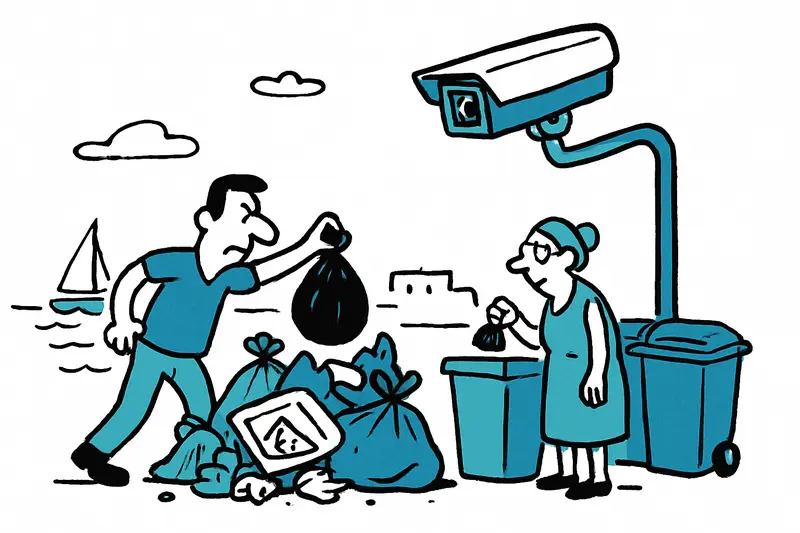
Cameras Against Illegal Dumping: Porto Cristo Monitors Problem Areas – a Reality Check
Manacor has installed four surveillance cameras at particularly problematic waste spots in Porto Cristo. A local check a...
Reality check: Palma's "white" torrent — harmless salt or neglected warning sign?
White crusts on the Torrent de Sa Riera are causing a stir. Emaya describes them as salt deposits. Our reality check: wh...
More to explore
Discover more interesting content

Can Cap de Bou

Townhouse Lleo 72
