
Warning Flag Ignored: Tourist Dies Off Cala Domingos – A Reality Check
Warning Flag Ignored: Tourist Dies Off Cala Domingos – A Reality Check
An approximately 70-year-old German tourist drowned off Cala Domingos Petit despite warnings from lifeguards. Why do warning systems fail? A critical look from everyday island life.
Warning Flag Ignored: Tourist Dies Off Cala Domingos – A Reality Check
Guiding question: Why don't visitors comply with beach warnings, and what is missing in practice?
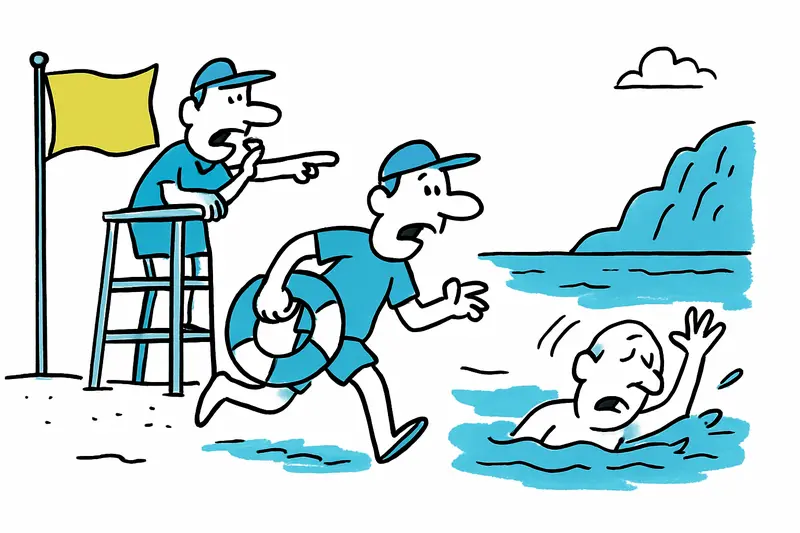
On the morning of a hot July day, around 11:45 a.m., an approximately 70-year-old German tourist was pulled from the water at Cala Domingos Petit. The yellow flag indicated rough seas. Lifeguards sounded their whistles to warn people, but the man moved away from the shore and later floated motionless on the surface. Despite more than 40 minutes of resuscitation attempts by lifeguards and an emergency doctor, he could not be saved. The National Police and local police were on site; a relative witnessed the incident.
Critical analysis
The facts are simple and stark: warning flag, instructions from rescue personnel, entering the water, lengthy resuscitation without success, echoing other cases such as the Playa de Talamanca incident. The case raises several questions that go beyond this specific incident. First: Are beachgoers sufficiently aware of what a yellow flag actually means? Second: Are warnings communicated in a way that reaches older guests, late arrivals or visitors who do not speak the local language? This concern is underscored by the Port de Sóller incident. Third: Are the personnel and material resources of the rescue teams sufficient during peak season, not only to rescue but also to act preventively?
What is missing from the public discourse
The debate often focuses on isolated cases and assigning blame – the reflexive 'why did he go in anyway'. More important would be a systematic discussion about prevention: clear, multilingual information at hotel receptions, beach access points and car parks; visible, easy-to-understand pictograms at every access stair; regular notices in rental documents. And: How well equipped are beaches technically? Are functioning AEDs (automated external defibrillators) easily accessible? Are lifeguards overloaded during seasonal peaks? These practical gaps have been highlighted in cases like the Can Picafort death.
Everyday island scene
Imagine Cala Domingos: a narrow cove, parasols, paddling pools for children, the smell of sunscreen in the air. A few stone steps on the slope, smaller rocks at the water's edge, the sea slightly rippling. A lifeguard tower, two men in red shirts, occasionally the shrill sound of a whistle. Holidaymakers walk in flip-flops along the path; some speak little Spanish, others rely on decades of swimming experience. Such small details – language barriers, overconfidence, unnoticed currents – come together here.
Concrete solutions
- Multilingual education: standard signs in Spanish, English and German at every beach access point and QR codes that explain succinctly: Yellow flag = swim with caution; Red flag = do not enter the water. Hotels and rental hosts should provide these notices at check-in. - Visibility of communication: flags mounted at multiple points around the cove instead of only on the tower; audible warnings when surf is strong that clearly state what to do. - Equipment and technology: better accessibility of AEDs, rescue buoys at defined points, possible drone support for early detection of persons drifting far out. - Training and resources: seasonal reinforcement of rescue teams, more training for hotel and rental staff to recognize risky behavior, regular exercises at popular coves, recalling the Son Bauló rescue attempt. - Guest communication: require hoteliers and hosts to point out flag rules when handing over keys; provide information sheets rather than relying solely on verbal warnings.
What can be implemented immediately
Some measures cost little and can be implemented quickly: QR codes at all beach entrances with clear information, visible pictograms, small information sheets in holiday rentals. Other measures require political decisions and budgets – more rescue personnel, AED networks, drones. But the beginning can be made locally in the municipalities.
Conclusion
The incident at Cala Domingos Petit is tragic and brings us back to a simple insight: warnings only work if they are understood, seen and enforceable. It is not possible to categorically assign blame to individuals; however, we can improve the surrounding conditions. Visitors need clear, loud and easily accessible information. Those responsible – municipalities, operators, hosts – must work together to ensure that yellow flags are more than just a piece of cloth in the wind.
Frequently asked questions
What does a yellow flag on Mallorca beaches indicate and how should I act?
How can visitors access multilingual beach safety information in Mallorca?
What happened at Cala Domingos Petit and what does it reveal about beach safety?
What steps can hotels and hosts take to improve safety around Mallorca's beaches?
What immediate safety measures can Mallorca towns implement without high costs?
Are AEDs and other rescue tools readily available on Mallorca beaches?
What factors contribute to beach safety incidents in Mallorca during busy season?
How should flag rules be communicated more effectively at Mallorca beach entrances?
Similar News

When the Tap Only Runs Sometimes: Why Municipalities in the Balearic Islands Are Now Rationing Water
Deià, Valldemossa, Esporles, Sóller and several places on Menorca are scaling back water supply. Who is responsible, why...
Battle for the Ramp: Why Cala Gamba Needs More Than Enforcement
The Guardia Civil intervened in Cala Gamba — residents breathed a sigh of relief, but unease remains. Key question: Are ...
He dances at the Duty-Free: How an airport employee brings a smile to Palma
A Duty-Free employee at Palma Airport created a viral TikTok with dancing breaks. Why the scene is more than just an int...
Stolen Motorcycle in Palma: Fatal Crash in Coll d'en Rabassa Shortly After Theft
A motorcycle parked on Plaza Miquel Dolç in Son Gotleu was reportedly stolen in the early hours. Hours later two men cra...
When More Guests Mean Less: Mallorca's Restaurants at the Limit
Despite record visitor numbers, the revenues of many restaurants are shrinking. Why more visitors don't automatically me...
More to explore
Discover more interesting content

Boat Tour with BBQ along Es Trenc Beach

Private transfer from Mallorca Airport (PMI) to Pollensa
