
Nighttime Garbage Truck Fire on Jaime III: How Safe Is Palma's Waste Collection?
Nighttime Garbage Truck Fire on Jaime III: How Safe Is Palma's Waste Collection?
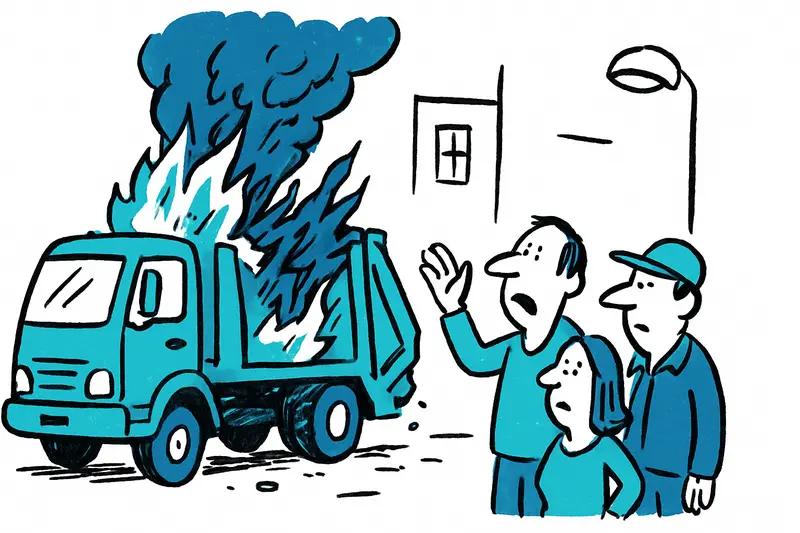
A garbage truck caught fire on Jaime III during the night. A towering column of smoke, small explosions, damage to shop windows and cars. Why did this happen — and what should the city change?
Nighttime Garbage Truck Fire on Jaime III: How Safe Is Palma's Waste Collection?
Key question: Do we have sufficient safety measures for nighttime emptying of waste containers in Palma?
At around 2:15 a.m., a garbage truck caught fire on the shopping street Jaime III, at number 14, an incident echoing the Motor scooter fire in Palma: Alarm on Calle Sindicat – How safe are our narrow shopping streets?. The flames quickly spread to the vehicle, and a high column of smoke rose above the street. There were small detonations on the vehicle, which damaged shop windows and some parked cars. Police and firefighters responded and extinguished the fire; according to the emergency services, no people were injured.
That is the fact. The questions that remain are bigger: Was it a technical defect? Flammable waste in the container? Or an error in handling the compaction mechanism? Authorities have not yet published a comprehensive fault analysis. For residents on their balconies — only a few meters away — there were no answers, only the smell of burning rubber and the sirens of the emergency vehicles.
Critical analysis: Garbage trucks are mobile machines with hydraulics, batteries, electrical controls and often compact fuel tanks. All of these elements can fail, as highlighted by Fire Risk and Social Issue: Dump at Camí de la Torre Redona Causes Trouble. Especially dangerous are lithium batteries, pressurised containers (camping gas, spray cans) or chemicals that can explode or ignite when compressed. If a fire breaks out at night in an urban artery like Jaime III, the clock is ticking not only for the vehicle and driver but also for residents, shop windows and the dense city traffic.
What is missing from the public discourse: transparency. There are rarely accessible figures on the frequency of such incidents, maintenance intervals of municipal or contracted fleets, and clear rules for handling hazardous household waste. There is also a lack of visible prevention communication to households: Which items do not belong in the residual waste bin? When are containers inspected? What sanctions exist for violations?
An everyday scene: Early in the morning, shortly after the street sweepers have run their brooms down Jaime III, delivery drivers meet café owners. At one corner you can hear the clinking of coffee cups and the hum of an air conditioner. If a garbage truck goes up in flames at night, it leaves not only a soot trail on the façade — it leaves questions for the baker who has to clean the shop windows at 6 a.m. and for the taxi driver who stops here during the day, much like the questions raised after the Fire on the Paseo Marítimo: A Blaze, Many Questions.
Concrete solutions: 1) Publish maintenance records: Municipalities should document regular inspections and repairs and be able to present them on request. 2) Install sensors: Thermal sensors or fill-level detectors in compaction chambers could trigger an alarm before emptying. 3) Consistently separate hazardous waste: Awareness campaigns and collection points for batteries, gas canisters and chemicals must be better promoted. 4) Review work procedures: Emptying times, distance from facades, and driver training should be reviewed and adjusted if necessary. 5) Emergency and air quality monitoring: For major fires, carry out short-term measurements of air pollution and establish fast information channels for residents. 6) Contract oversight: If private companies handle collection, the city must mandate and verify binding maintenance standards.
Many of these measures cost money — but a fire in the middle of the city also costs: repairs to façades, replacement of shattered windows, business interruptions for shops and the trust of residents. A clear framework of responsibility and concrete prevention steps would help avoid future incidents, and attention to risks across the island is warranted, as noted in Fire on the outskirts of Palma: When improvised settlements become a ticking time bomb.
Pointed conclusion: The burning garbage truck on Jaime III was an event that fortunately did not result in injuries. At the same time it is a warning signal: when homeowners, shopkeepers and night owls ask the same questions in the early morning, it is time not to ignore the silent risks of waste logistics. Inspection, education and technical upgrades are not luxuries — they are necessary to keep Palma's streets safe.
Frequently asked questions
When is the best time to visit Mallorca for nice weather and fewer crowds?
What should I pack for a Mallorca trip if I plan to spend days at beaches and exploring villages?
Is it safe to swim in Mallorca's beaches and how can I choose a good spot?
What are practical ways to get around Mallorca without a car?
What family-friendly activities can you do in Mallorca for a relaxed day?
What are Mallorca's must-try dishes and where to find them?
Are there hiking routes in Mallorca suitable for beginners?
Can Mallorca be visited year-round, and are there events to time around?
Similar News
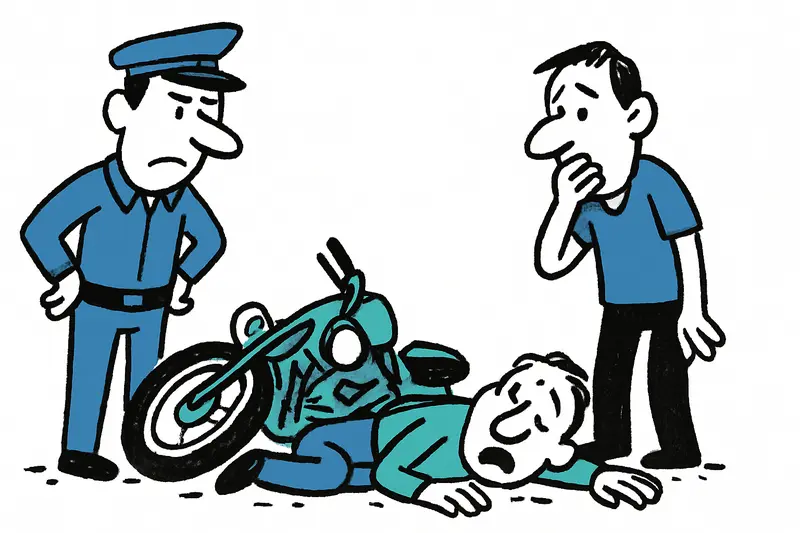
Stolen Motorcycle in Palma: Fatal Crash in Coll d'en Rabassa Shortly After Theft
A motorcycle parked on Plaza Miquel Dolç in Son Gotleu was reportedly stolen in the early hours. Hours later two men cra...
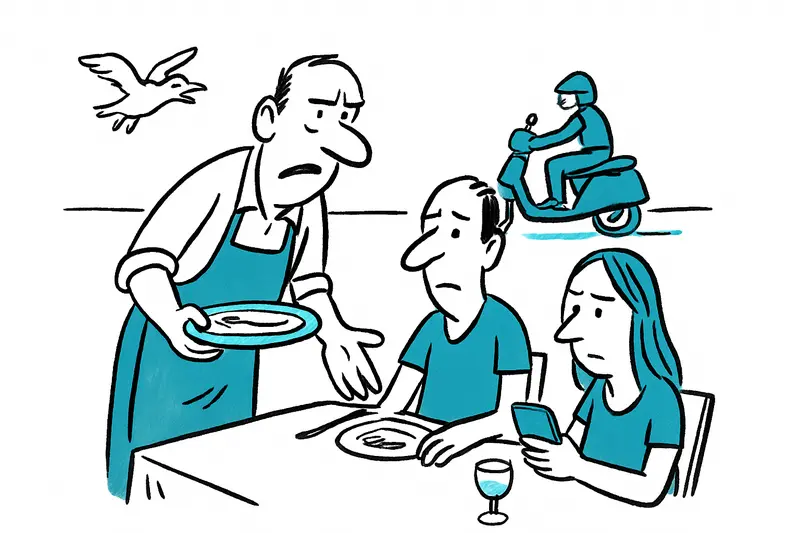
When More Guests Mean Less: Mallorca's Restaurants at the Limit
Despite record visitor numbers, the revenues of many restaurants are shrinking. Why more visitors don't automatically me...
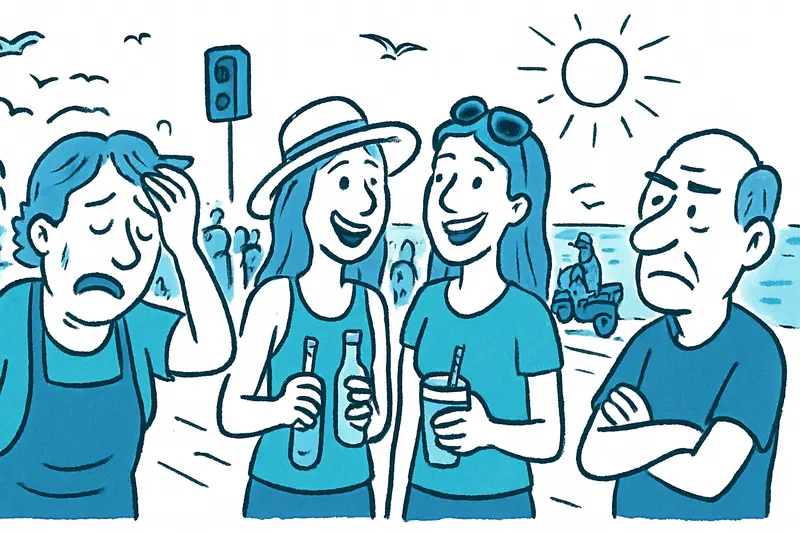
Ballermann 2026: Heat, crowded promenade and rising prices – how much longer?
Bright sunshine, over 35 degrees in the shade and busy venues at Playa de Palma: Tourists enjoy the parties, restaurateu...
Stolen motorcycle, high-speed escape, deadly crash: An accident in Palma that raises questions
A motorcycle stolen in Son Gotleu ended up hours later on the Cardenal-Rossell in Coll d'en Rabassa in a deadly collisio...
Found dead in Son Gotleu: Dog walk ends fatally — what is missing in the investigation?
A 68-year-old man was found dead on Sunday morning on Tomás Rullàn street in Son Gotleu. According to his partner, he ha...
More to explore
Discover more interesting content

Boat Tour with BBQ along Es Trenc Beach

Private transfer from Mallorca Airport (PMI) to Pollensa
