
Attacked with a watch: 18-year-old in pretrial detention after severe neck injury at Plaza Gomila
Attacked with a watch: 18-year-old in pretrial detention after severe neck injury at Plaza Gomila
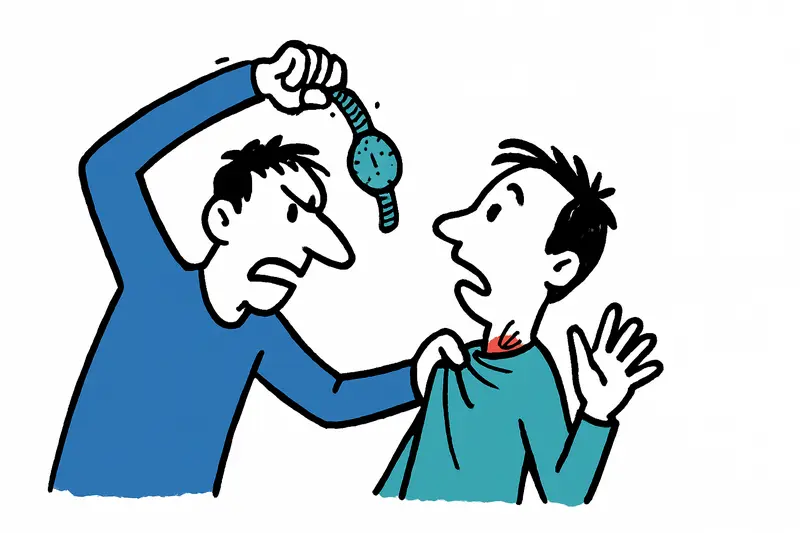
In the early hours at Plaza Gomila a 35-year-old suffered a severe cut to the neck. An 18-year-old was arrested and is now in pretrial detention. The National Police investigation is ongoing.
Attacked with a watch: 18-year-old in pretrial detention after severe neck injury at Plaza Gomila
What happened, which questions remain unanswered and how Palma could make its nightlife safer
In the night leading into Saturday, Plaza Gomila — usually a hub between Passeig Marítim and the area of bars and clubs — briefly became the scene of serious violence. Around five in the morning a 35-year-old man sustained such severe cuts to the neck that he required emergency surgery. Treating doctors described the wound as an inverted V-shaped cut about five centimeters long. The victim was taken to Hospital Universitario Son Espases.
Investigators from the Spanish National Police, who were observing the incident in plainclothes, intervened. An 18-year-old Spanish national was arrested at the scene; the judge ordered pretrial detention on suspicion of attempted murder. According to the current state of the investigation, it was not — as initially thought — a broken bottle that was used, but a watch with small glass stones that the suspect apparently had wrapped around his wrist. Plainclothes officers administered first aid to the injured person, witnesses and two bouncers from a nearby venue were questioned. The victim's stepson also gave a statement about the sequence of events.
Key question: Why do disputes in Palma's nightlife districts escalate so quickly into dangerous violence, and how can this be prevented?
The facts are stark: late-night hours, alcohol involved, multiple people and an improvised weapon. But that does not explain everything. There are often no clear structures for violence prevention and early de-escalation in the streets where locals, seasonal workers and visitors mix. On Plaza Gomila, where music, honking taxis and crowds converge into the early hours, conflicts can go unnoticed or escalate within seconds.
Public debate is now focusing on prosecution and tougher measures. What rarely comes up are concrete adjustments to operator duties, better training for bouncers, coordinated police presence plans on particularly busy nights and more visible first-aid guidance on severe bleeding among venue staff. Technology can also help: targeted camera positions on access roads, functioning street lighting and clear walkways for visitors would reduce flight and escalation routes.
A typical Palma scene: shortly after midnight, the promenade smells of grilled fish and oil, taxis pick up guests in front of venues and young people spread out in small groups. In such moments a single step often decides whether an argument stays verbal or turns physical. People who work late — bouncers, servers, security staff in clubs — are the first line of protection. If these people do not have de-escalation tools and clear reporting procedures, the situation becomes more vulnerable to violence.
Concrete proposals: operators should financially and organizationally support mandatory training for staff; the city administration can create deployment plans for police and municipal security with clear priorities; clubs should establish standardized reporting chains and keep first-aid kits at strategic points; investigations after attacks must also be accelerated so that evidence is secured and witnesses are heard quickly.
Of course the investigation is in the hands of the judiciary. Still, this is not a matter only for judges and prosecutors. The next summer season is coming, and the mixture of revellers and people who live and work here will remain. Security measures, better training for night staff and politicians listening to concrete problems can make such incidents less frequent.
Conclusion: The attack at Plaza Gomila was brutal and left a person seriously injured. Prosecution must clarify exactly what happened. In parallel, Palma needs practical measures for night-time and everyday safety — not only as a reaction but as prevention. If we keep waiting for evenings to become safer only through harsher penalties, we lose time in which people remain at risk.
Frequently asked questions
Why do disputes in Palma's nightlife districts sometimes escalate into violence, and what can be done to prevent it?
What safety measures can Palma's nightlife venues implement to protect staff and guests?
How should authorities coordinate to improve safety on busy Palma nights?
What should witnesses do if they see violence in Palma's nightlife areas?
What signs of potential conflict should visitors watch for in Mallorca's nightlife districts?
What practical tips help keep you safe while enjoying Palma's nightlife?
How can visitors move safely around Plaza Gomila and similar hubs in Palma at night?
What should travelers know about Mallorca weather when planning late-night outdoor outings?
Similar News
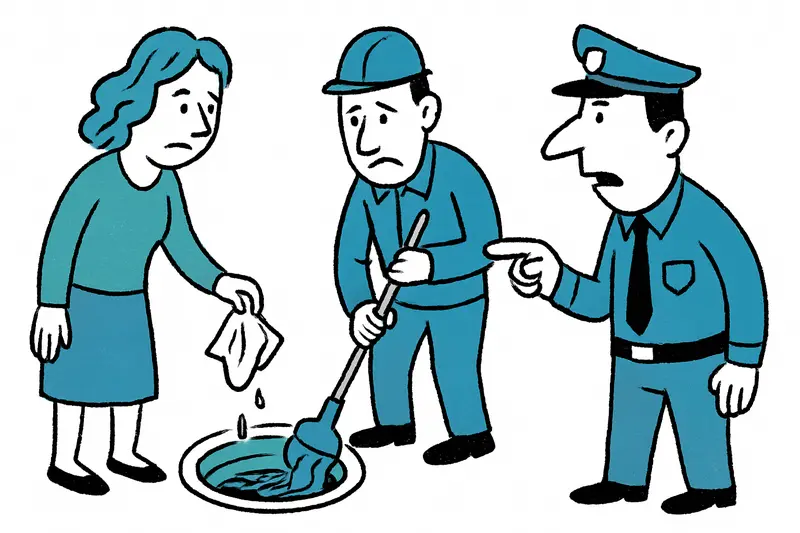
Up to €9,000 Fine in Inca: Why Wet Wipes Can Blow Up the Sewers — and What We Should Really Do
The municipality of Inca warns of blockages caused by wet wipes — fines of €300 to €9,000 are possible. A reality check:...

World Cup Trophy in Palma: Two Days Up Close
The World Cup trophy is coming to Palma at the end of October: two days on display at City Hall, and on 31 October photo...

End of October: Can you still swim in the sea in Mallorca?
The late-autumn sun still warms the air and the sea has retained its summer heat—many people don't pack away their swimw...
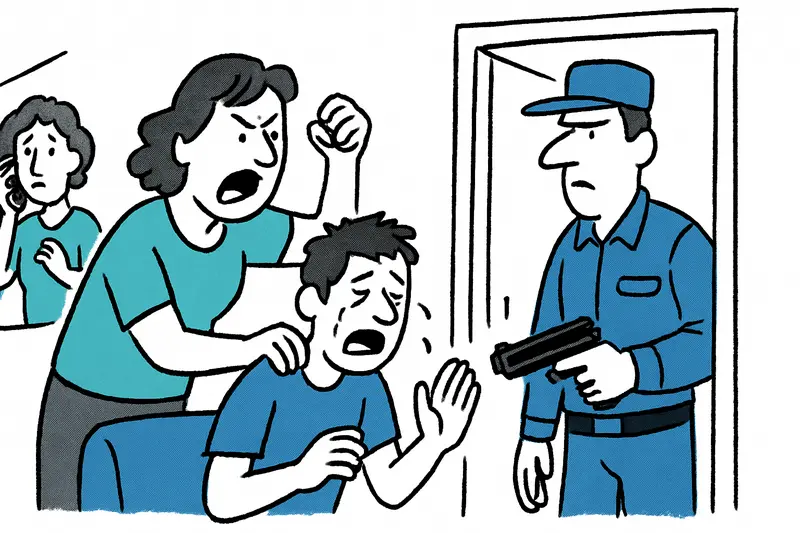
Years of abuse in Costa de la Calma – Neighbor calls Guardia Civil
In a villa in Costa de la Calma a neighbor alerted the Guardia Civil: a 19-year-old woman reported years of violence by ...

Schauinsland Takes Over Management of the Morito in Cala Millor – a Reality Check
From March 2027 the German tour operator Schauinsland will manage the Morito hotel in Cala Millor. The Batle Erikson fam...
More to explore
Discover more interesting content

Can Cap de Bou

Townhouse Lleo 72
