
Up to €9,000 Fine in Inca: Why Wet Wipes Can Blow Up the Sewers — and What We Should Really Do
Up to €9,000 Fine in Inca: Why Wet Wipes Can Blow Up the Sewers — and What We Should Really Do
The municipality of Inca warns of blockages caused by wet wipes — fines of €300 to €9,000 are possible. A reality check: Who pays the bill, and how can damage be prevented in the long term?
Up to €9,000 Fine in Inca: Why Wet Wipes Can Blow Up the Sewers — and What We Should Really Do
Main question: Does a fine protect the pipes or is the city merely shifting responsibility?
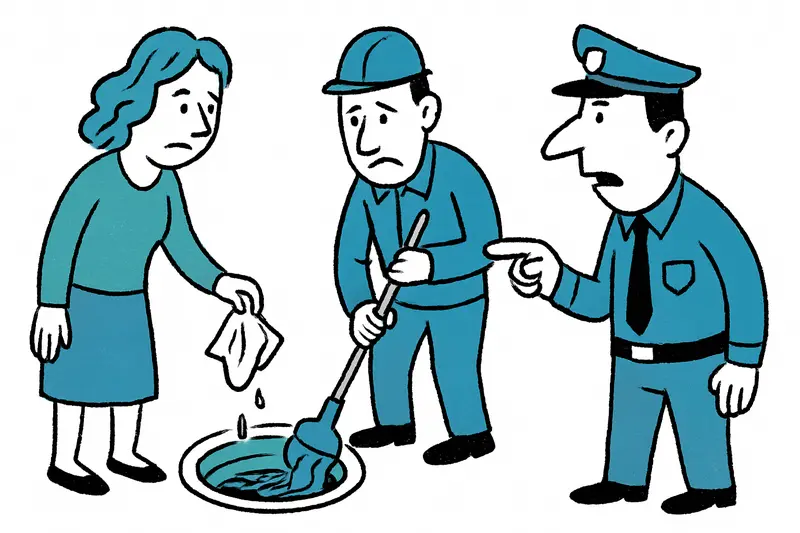
Early morning in Inca: market stalls fold out their tarps, a street sweeper shoves paper and orange peels into the collection truck, and further down — out of sight for most — a small team works on a sewer manhole. The smell of damp concrete mixes with the first coffee. Scenes like this are part of everyday life here, and similar waste-management problems have been reported in other towns, for example Binissalem Suffocates in Waste: Who Cleans Up - and Who Pays?.
The municipal administration of Inca has recently issued a stark warning against flushing wet wipes down the toilet. Local regulations provide for fines between €300 and €9,000. The message is clear: dispose of hygiene items in the residual waste, not the toilet. Yet what is missing from the public debate is an honest question: Are penalties enough to solve a technical and organizational problem?
Critical analysis: wet wipes are the physical problem. Unlike toilet paper, they do not disintegrate immediately; they tend to clump with fats and other waste and stick to pipe walls. In older pipes — like those many communities on Mallorca have — bottlenecks form quickly. If the sewer system is already operating close to capacity during normal rainfall, a single additional blockage is enough to provoke overflows or backups, a risk that becomes evident after heavy storms as covered in Garbage avalanche after flash flood: S'Arenal section closed — who pays the price?.
A fine may deter some. But it usually hits the small end consumer, not the manufacturers of the products or the retailers who advertise misleading labels. Little will change on the Plaça above if supermarkets and producers continue to market wipes as "flushable" or place convenience above proper disposal. The real bill for emergency clearances, pipe repairs and remediation often lands on the municipality — i.e., the taxpayers — or on individual homeowners affected by backflows.
What actually helps in the long run is a mix of measures: clear consumer information and visible disposal options in public toilets; strict labeling rules and independent testing to define what "flushable" really means; extended producer responsibility so that manufacturers contribute to cleanup and infrastructure costs; and targeted investments in sewer maintenance, screens, pumping capacity and regular cleaning schedules. Technical solutions such as fine screens at pumping stations or retrofitted pipe linings can reduce incidents, but they are costly and require steady funding, as regional cleanup efforts have shown in discussions like After the Rain: Who Cleans the Streams — and Is It Enough?.
For private citizens the immediate steps are simple and effective: do not flush wet wipes, cotton pads or similar items — even if packages claim they are flushable. Use a small lidded bin in bathrooms, follow local disposal rules, and report recurring blockages to the municipality. For policymakers, relying solely on fines is short-sighted. Enforcement can be part of the toolbox, but it must be combined with regulation of product claims, incentives for better product design, and investments in aging infrastructure.
Ultimately, preventing sewer damage is a shared task: consumers, retailers, manufacturers and local governments each have a role. Only by combining education, fair regulation and infrastructure upgrades can communities like Inca avoid repeated damage — and the disproportionately high social costs that come with it.
Frequently asked questions
Why are wet wipes problematic for Inca’s sewers in Mallorca?
Are wipes labeled flushable really safe for Mallorca toilets?
What fines exist for flushing wet wipes in Inca?
What practical steps can residents take to prevent sewer blockages in Mallorca?
Who bears the costs when sewer blockages happen in Mallorca?
What long-term measures could reduce wipe-related sewer problems in Mallorca?
As a visitor to Mallorca, how should I dispose of hygiene items to protect the sewers?
What does the Inca situation reveal about Mallorca’s sewer systems and future priorities?
Similar News

World Cup Trophy in Palma: Two Days Up Close
The World Cup trophy is coming to Palma at the end of October: two days on display at City Hall, and on 31 October photo...

End of October: Can you still swim in the sea in Mallorca?
The late-autumn sun still warms the air and the sea has retained its summer heat—many people don't pack away their swimw...
Years of abuse in Costa de la Calma – Neighbor calls Guardia Civil
In a villa in Costa de la Calma a neighbor alerted the Guardia Civil: a 19-year-old woman reported years of violence by ...

Schauinsland Takes Over Management of the Morito in Cala Millor – a Reality Check
From March 2027 the German tour operator Schauinsland will manage the Morito hotel in Cala Millor. The Batle Erikson fam...

Still bathing season? Why Mallorca still invites a plunge into the sea at the end of October
The air is mild, the beaches quieter — and the water surprisingly warm. We have summarized the current temperatures and ...
More to explore
Discover more interesting content

Can Cap de Bou

Townhouse Lleo 72
