

Paseo Marítimo in Palma: Attractive from Afar, Overgrown Corners and Too Few Parking Spaces
The new Paseo Marítimo looks impressive from a distance, but residents complain about weeds, a stark wall at the Can-Barbarà bay and significantly fewer parking spaces. Who is responsible?
Paseo Marítimo in Palma: Beautiful from afar, chaotic in some corners
Anyone walking along the Paseo Marítimo these days will hear the typical sounds of Mallorca: seagulls screeching, a boat horn in the distance, the clack of bicycle bells on smooth stone. The overall impression is tidy, with new paving, benches overlooking the water, as reported in The new Paseo Marítimo is open: trees, wide paths and improved accessibility. But on closer inspection there are gaps: weeds grow between the slabs, isolated tufts of grass run wild in the beds, and gravel areas have been left untouched for weeks as if the construction crew had already been sent away.
The neighborhood between pride and frowns
At the corner café, at nine in the morning and around six in the evening, people speak openly. "The promenade is beautiful, but I can hardly find a parking space anymore," says a woman climbing the steps with a full shopping bag. An older man adds: "I used to park in front of my door, now I walk three streets further." This formula "nicer, but fewer parking spaces" runs through many conversations, as residents have voiced similar concerns in Paseo Marítimo: Big Spending, Little Everyday Usefulness. For some, the question is: has pedestrian quality really been gained — or only at the expense of residents?
Another annoyance is the new wall at the Can-Barbarà bay. From some angles it looks cool and smooth, almost like a backdrop that blocks the open view of the sea. Some residents speculate that it was a purely aesthetic decision; others suspect plain planning failure: a wrong balance between protection and openness.
Construction phase, promises and maintenance afterwards
The official opening is scheduled for October, and the final section's completion is outlined in Last corner of the Paseo Marítimo: Palma gets its promenade back. Until then, construction and adjustments are supposed to continue — so the promise goes. Yet the pace of interventions is noticeable: short, quick actions like the abrupt dismantling of a bridge at the Hotel Mediterráneo were carried out quickly. In contrast, subsequent maintenance seems to be neglected: no regular weeding, no coordinated irrigation and no visible upkeep plan for the new planting areas, a situation examined in Paseo Marítimo: Palma's new green oasis — but who will maintain it?.
The issue of use is also changing: the expropriated former social club building remains a talking point. The operators have apparently moved into former rooms in the Melià Victoria — a provisional solution that shows the neighborhood how quickly social meeting places can shift here.
The guiding question: Can the Paseo really become a lively meeting place?
That is the crucial question. A nicely laid out paseo alone is not enough. Public spaces live from maintenance, clear rules and the participation of the people who use them daily. Some aspects have been underrepresented in the debate so far:
Long-term maintenance instead of one-off design: A professional, regular maintenance crew with defined intervals for weeding, watering and cleaning should be planned — not as a cost at the end, but as part of the project from the start.
Rethinking parking: When parking spaces disappear, fair replacement solutions are needed: resident parking permits, time-limited short-term spaces for shopping or offering discounted neighborhood rates in nearby car parks could help restore balance.
Wall at Can-Barbarà: Where views are blocked, small openings, seating niches or artistic perforations could provide sightlines and improve the quality of stay. A design readjustment would break the cold look while creating safe spaces for lingering.
Climate-adapted planting: Instead of sensitive exotics, robust, drought-resistant groundcovers and Mediterranean shrubs should be planted. They need less care, withstand heat and salty sea air and prevent weeds from growing between the slabs.
Participation and neighborhood projects: Initiatives like adopt-a-strip — neighbors maintaining sections — or a small local budget share for maintenance work could involve people and reduce costs at the same time.
Looking ahead: Use the opportunities before they become overgrown
The new Paseo Marítimo has real potential: on windless evenings the benches would be full, children could safely run to the water's edge, and cafés could rely on more regular customers. But it requires pragmatism: clear maintenance structures, sensible parking rules and an open dialogue between the city, planners and residents.
Until then the picture remains mixed — a little pride, a little discontent. Typical for Palma, a city that keeps reinventing itself between the sound of the sea and construction noise. If those responsible now make adjustments, the pretty project can become a true public space. If not, the lovely idea will grow wild at the edges while the seagulls and bicycle bells continue to sing their song.
Frequently asked questions
Is the Paseo Marítimo in Palma finished yet?
Why are there so few parking spaces near the Paseo Marítimo in Palma?
Is the Paseo Marítimo in Palma pleasant to walk along now?
What is the problem with the new wall at Can Barbarà in Palma?
How well is the new Paseo Marítimo in Palma being maintained?
Can the Paseo Marítimo in Palma become a real meeting place?
What happened to the old social club area on the Paseo Marítimo in Palma?
What should visitors know before going to the Paseo Marítimo in Palma?
Similar News
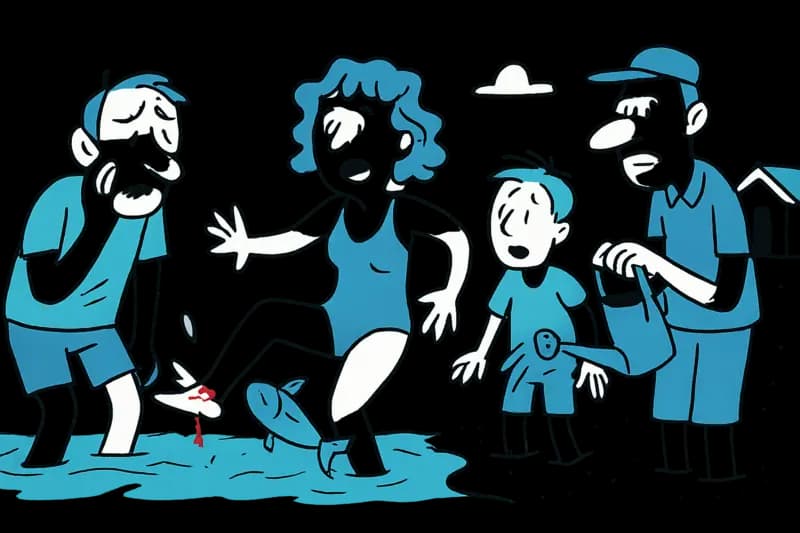
Why the Striped Breams in Cala Pí Should Be a Wake-up Call
Once again bathers in Cala Pí were surrounded while swimming by small, nippy fish — some wounds bled. Time for clear rul...

Daily from New York: How Palma's Air Traffic Is Growing — and What Must Change
United will increase the Newark–Palma service to daily flights in 2027 (Boeing, 231 seats). Strong tourist numbers clash...

When Love Ends in Shards: Destruction in Son Vida and the Questions That Remain
In Son Vida a relationship dispute escalated: a woman destroyed furniture in a luxury villa, later pressed a panic butto...

Who Bears the Burden? Mallorca Between Tenant Protection and Landlord Fears
Madrid's new housing decrees strengthen tenant rights — but on Mallorca concern is growing: will the law drive small lan...

On the Edge: What Mallorca's Airport Loses If a Major Low-Cost Carrier Falters
The company that operates numerous connections from Palma to France and domestically is negotiating with creditors to re...
More to explore
Discover more interesting content

Can Cap de Bou

Townhouse Lleo 72
