
When More Guests No Longer Bring Happiness: How Tourism Burdens the Island
When More Guests No Longer Bring Happiness: How Tourism Burdens the Island
A new study and a debate in Palma raise the question: Does growth in Mallorca really lead to a better life? A reality check with concrete proposals.
When More Guests No Longer Bring Happiness: How Tourism Burdens the Island
Key question: Can Mallorca grow without worsening the everyday life of its residents?
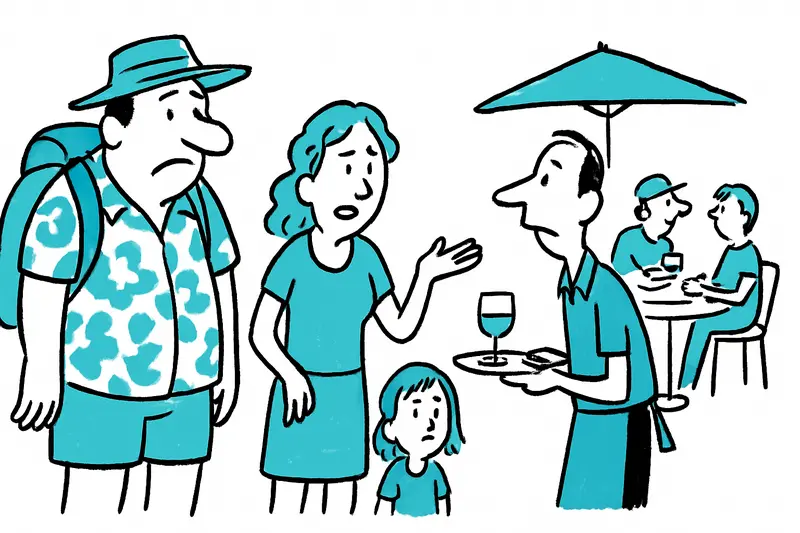
At a heated event in CaixaForum Palma, the Obra Cultural Balear recently presented the findings of the "Fènix" study. Two economists who contributed to the report painted a picture many already feel: economic output has increased, but the perceived standard of living of residents has not risen to the same extent. More Visitors, More Money — But How Long Can Mallorca Sustain It? That may sound dry, but it hits home — especially when you sit on the terrace of Bar Bosch on Passeig des Born on a Friday evening and see tables blocked for tourist groups while young families desperately look for a free spot.
The analysis addresses several points often missing from public discussion. First: total GDP plus visitors does not automatically mean more disposable income for island residents. Second: many new jobs in the sector are low-productivity and poorly paid. Third: the overexploitation of natural and environmental goods — water, coasts, landscapes — is often not visible as an entry in the accounts, but it comes at the expense of future generations.
Anyone who now says we should simply allow fewer tourists has only half understood the debate. The economists emphasized that this is not an ideological call for zero growth, but a reorientation: away from quantity toward higher value creation. Practically, this means: fewer overnight places do not have to mean less revenue if each visitor spends more — on quality products, services, culture and experience, not just mass-tourism offers.
A central lever is accommodation capacity, the researchers say. For decades, the number of overnight places has increased, driven strongly by holiday rentals. Boom Despite Friction: How Much Tourism Can Mallorca Still Handle? In the streets this means: more listings, more rental signs, less affordable housing. When apartments are used for tourism instead of permanent residence, wealth shifts from local use to short-term income — often without long-term tax benefits for the municipality.
What is often missing from the debates: concrete implementation mechanisms. Here is a proposal for how the islands could set the course: 1) a phased mechanism to limit new short-term rentals and regulations that protect long-term residents; 2) incentives and requirements for higher quality standards in hotels and businesses (training, fair wages, sustainable practices); 3) design tourist taxes so that revenues flow directly into infrastructure, environmental protection and affordable housing; 4) incorporate natural capital into public accounts — value water quotas, coastal protection, biodiversity and consider them in planning; 5) coordinate between municipalities so that one town does not have to fear a tourism decline while another tries to make up for it.
Concretely for Mallorca this means: fewer new permits for holiday apartments in sought-after neighborhoods, stricter enforcement against illegal rentals, support programs for gastronomic concepts that deliver quality instead of price wars, and stronger promotion of seasons outside the summer months — cultural weeks, culinary festivals, conferences. All of this can help ensure tourists spend more per stay and that the local economy benefits not just in statistics but in everyday life, as discussed in When Mallorca Grows: Strategies for an Island in Transition.
An everyday scene at the Born: the waitress who speaks five languages runs between espressos, tapas and tips; that's high effort, but if wages and social benefits are not right, little of the extra turnover remains for the island. Anyone wanting to increase productivity must also ensure that employees earn better and companies are fairly taxed — only then will value flow back into schools, buses, waste collection and coastal protection.
Conclusion: The discussion must not get stuck on slogans like "growth is good" or "fewer tourists." What matters is how growth is measured and who benefits from it. Public sentiment underscores the urgency of finding balance, as shown in The Island Says No to Overcrowding: What the Survey Really Means. Mallorca needs a plan that prices in ecological costs, manages accommodation capacity wisely and increases local value creation. Otherwise one day we will stand on an overcrowded beach, the sea will be the same, but life here will have become more expensive and poorer — for the people who live on this island.
Frequently asked questions
What is the best time of year to visit Mallorca for pleasant weather?
Do I need a car to explore Mallorca, or are public transport and bikes enough?
Are there beaches suitable for swimming in Mallorca during the summer and shoulder seasons?
What should I pack for a Mallorca trip?
Which areas in Mallorca are good for families with kids?
Is it safe to travel solo in Mallorca?
What outdoor activities are popular on the island?
How does Mallorca's weather affect swimming and water activities?
Similar News

Rental Car Theft in El Arenal: What This Incident Reveals About Our Gaps
A teenager steals a running rental car in El Arenal, flees on foot, climbs over walls and is caught by the Guardia Civil...

Red Rope in Palma's Library: What Helps Against Selfie Tourism — and What's Missing
Palma's city library cordoned off an area with a red rope to keep selfie tourism away from reading and working activitie...

Fort San Carlos: Museum, Harbor Dispute — and a Conflict That Demands Answers
The military museum at Fort San Carlos sits right on Palma's harbor, with unexpectedly quiet rooms filled with cannons a...
Old Town Under Pressure: When a Doorway Becomes a Sleeping and Shower Place
For months a woman has been living with a parasol, a clothes rack and personal belongings next to the social welfare off...
When Shopping Weighs Heavier: Mallorca Demands a Tax Pause on Food and Fuel
Rising prices are putting pressure on households and agriculture. The Balearic Islands are calling for temporary tax rel...
More to explore
Discover more interesting content

Can Cap de Bou

Townhouse Lleo 72
