
When Schengen Wobbles: What a Dispute over Ceuta Would Mean for Mallorca
When Schengen Wobbles: What a Dispute over Ceuta Would Mean for Mallorca
Italy's government threatens tough measures against Spain after the mass rush into Ceuta. A possible suspension from the Schengen Agreement would directly affect travelers between Germany and Mallorca. A reality check from Palma.
When Schengen Wobbles: What a Dispute over Ceuta Would Mean for Mallorca
Key question: Could a political escalation in Brussels lead to passport checks for holidaymakers to Mallorca — and how prepared is the island?
In these hot days, when the bus from Palma airport rolls onto the Avenidas and the air conditioning in the café at the Plaça Major fights the salt‑tasting air, headlines suddenly buzz across the island: Italy threatens drastic steps against Spain after the mass crossings into the exclave Ceuta. What sounds simple — 'kick Spain out of Schengen' — is actually a political and legal mess that could have very practical consequences for us in Mallorca.
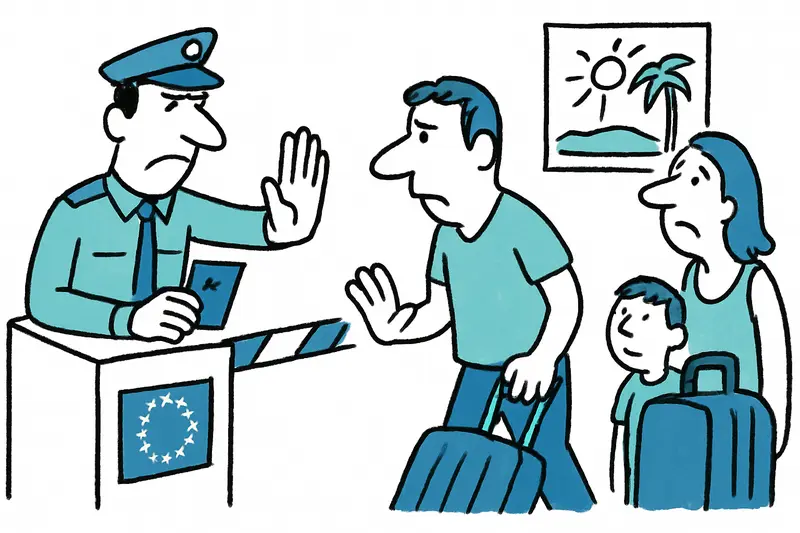
Critical analysis: Legally, a complete 'expulsion' from Schengen is not the same as a TV slogan. Decisions about the common border regime are negotiated at EU level, Merz in Madrid: Why political differences with Sánchez are also felt in Mallorca, and national decisions by individual governments are not enough to change the treaty basis overnight. Nevertheless: even the threat to reintroduce checks at internal borders acts like an omen for summer traffic. Airports, ferries and hotels would have to prepare for additional controls. Passengers from Germany — When the Germans Stay Away: Opportunity or Risk for Mallorca? — traveling to a holiday home or a hotel at Playa de Palma could be required to show passports at departure and on arrival — that means longer waiting times, unsettled guests and additional costs for airlines and ground staff.
What is missing in public debate: The discussion so far has been largely symbolic — political quips, finger‑pointing, outraged gestures. Rarely does one hear what practical emergency planning would look like: Who coordinates more border officers at airports on short notice? How do tour operators inform their guests? And how are people in Ceuta and Melilla actually protected and cared for? Mallorca also lacks the voice of those affected locally — taxi drivers, small apartment operators, aviation ground staff — who would bear the immediate costs in case of additional checks.
Everyday scene from Palma: On a late morning in front of Terminal 1 travelers stand with trolleys in the sun. A driver from Can Pastilla tips out his coffee cup, shakes his head and says, “If they start checking passports, we'll be stuck in traffic twice as long.” In the small bakery on the Passeig the saleswoman murmurs: “People are asking me now if their flight is still normal.” Such scenes are not spectacular — they are the concrete nervousness that political threats create.
Concrete solutions: First, diplomacy instead of escalation. EU institutions should push that disputes not be solved unilaterally. Second: short‑term crisis plans for island infrastructures. That means clear checklists for airport operators, additional info channels for guests (apps, SMS), and temporary increases in staff for border controls so queues don't turn into traffic collapse. Third: humane and transparent procedures at the external borders — rapid registration, medical first aid, and orderly asylum procedures instead of chaotic crossings. Fourth: better cooperation with neighboring countries like Morocco, backed by EU‑funded programs that reduce root causes of flight and strengthen legal pathways, as highlighted in Frontex warning: When the Balearic Islands become more transit than destination — how Mallorca should respond.
What the island government and the industry could do immediately: an emergency information paper for tourism professionals summarizing possible scenarios and recommended actions; training for airport staff in dealing with short‑term border controls; and communication templates for landlords and hotels to inform guests quickly, calmly and correctly. Similar emergency approaches have been discussed in Madrid Declares Migration Emergency in the Balearic Islands — A Temporary Measure with Open Questions.
Pointed conclusion: Political posturing may have effects on the continent; here in Mallorca it mainly brings increased uncertainty and bureaucracy. It would be a bad day for the island if people at the gate saw only stamps and forms instead of the last rays of sun. Better would be to address the hotspots at the external borders with internationally coordinated, rule‑of‑law and humanitarian measures — and at the same time ensure that holidaymakers arrive without panic and with good information flow. Because in the end it is not contractual paragraphs but the endless queues at the airport and the resigned looks of people in a bakery that would pay the price of a political dispute.
Frequently asked questions
Could a dispute over Schengen lead to passport checks for travelers to Mallorca?
What would border checks mean at Palma airport for a summer trip?
Could a dispute in Brussels really affect holidays to Mallorca?
What practical emergency planning could Mallorca implement immediately?
Could Ceuta tensions indirectly affect Mallorca's visitors?
What information channels could help tourists if border controls increase?
What practical travel tips should I follow for a Mallorca trip if border rules shift?
How do external borders and cooperation with neighboring countries affect Mallorca's travel outlook?
Similar News
Rental Car Theft in El Arenal: What This Incident Reveals About Our Gaps
A teenager steals a running rental car in El Arenal, flees on foot, climbs over walls and is caught by the Guardia Civil...
Red Rope in Palma's Library: What Helps Against Selfie Tourism — and What's Missing
Palma's city library cordoned off an area with a red rope to keep selfie tourism away from reading and working activitie...
Fort San Carlos: Museum, Harbor Dispute — and a Conflict That Demands Answers
The military museum at Fort San Carlos sits right on Palma's harbor, with unexpectedly quiet rooms filled with cannons a...
Old Town Under Pressure: When a Doorway Becomes a Sleeping and Shower Place
For months a woman has been living with a parasol, a clothes rack and personal belongings next to the social welfare off...
When Shopping Weighs Heavier: Mallorca Demands a Tax Pause on Food and Fuel
Rising prices are putting pressure on households and agriculture. The Balearic Islands are calling for temporary tax rel...
More to explore
Discover more interesting content

Can Cap de Bou

Townhouse Lleo 72
