
When the North Sleeps: Why Alcúdia & Co. Are Quiet in February — and What the Problem Is
When the North Sleeps: Why Alcúdia & Co. Are Quiet in February — and What the Problem Is
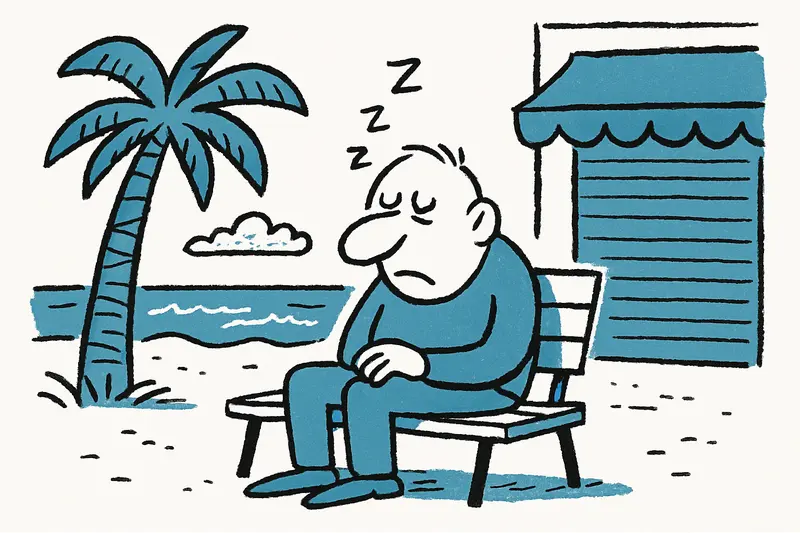
February on the northern beaches: closed hotels, shutters down and the sea as the loudest sound. A critical assessment — with concrete proposals for a livelier shoulder season.
When the North Sleeps: Why Alcúdia & Co. Are Quiet in February — and What the Problem Is
Key question: Does winter quietude on Mallorca have to be so blanket?
If you drive to Playa de Muro or Port d'Alcúdia these days, you are served an almost surreal picture of calm. Palms sway in the cool wind, the sea murmurs, and sometimes the thump of a jackhammer echoes from a construction site. Otherwise silence dominates: many hotels closed, shops with shutters down, only a few bars and supermarkets open. At first glance this is harmless winter rest. On closer inspection, it hides a structural problem.
Analysis: Dependence on the summer business
The north of the island has relied heavily on seasonal tourism for decades. Operating costs, employment models and business planning are aligned with the summer high season. When hotels remain closed for months — while around 20 percent of hotels stay open through winter — many businesses lose their income. Bike rental companies and cycling offers do get a boost in winter from events like the Challenge or the early wave of Mallorca 312 (with around 8,500 participants), but that rarely suffices to sustain the entire spring. Result: entrepreneurs keep only the essential services open — pharmacies, supermarkets, a few cafés — and cut costs wherever possible.
What is missing from the public debate
We talk a lot about tourist numbers and major events, but too little is discussed about why guests come but spend little money in town centres. Too little is discussed about how to secure quality of life and a functioning local economy outside the high season. There is a lack of reliable data on hotel opening times, no joint plans between municipalities and hoteliers for an extended pre-season, and hardly any communicated strategies on how to attract residents, long-stay guests and business travelers. Also rarely discussed: the costs borne by locals when basic services exist but little "social life" remains — fewer bus connections, closed cultural offerings, restricted medical consultation hours.
Everyday scene from the beach
A walk along the promenade in Port d'Alcúdia reveals this in small details. La Jarra in the Bellevue neighborhood is half full: construction workers, a few neighbors, a well-traveled cyclist checking his brakes. Further back the large hotels show dark windows. On Playa de Muro the sand lies exposed, a couple collects shells. In Can Picafort most boutiques remain closed, but the bakeries around the corner fill their shelves early in the morning — the small signals that show: life still exists, but it is concentrated and not very visible.
Concrete proposals — short and specific
Instead of hoping for chance, targeted measures are needed:
1) Promote staggered seasons: Municipalities could consider staggered opening schedules and financial incentives for hotels that at least reopen parts of their services earlier. Not full subsidies, but tax relief for the first three months.
2) Pool pre-season marketing: Regional campaigns aimed at hikers, cyclists, teleworkers and long-stay visitors — with bundled packages for accommodation, coworking and leisure.
3) Reduce bureaucracy: Simplified permits would make short-term events and pop-up projects more attractive. Culture and gastronomy start-ups could thus generate seasonal boosts.
4) Adapt infrastructure: Link bus and health services flexibly to demand so residents and early arrivals don't face closed doors.
5) Foster community: Small grants for neighborhood initiatives, markets or weekly programs — where shutters are down, a market can bring life back.
Concluding point
Winter silence is not a law of nature. It is the result of economic decisions, lack of cooperation and overly rigid planning. Mallorca does not need permanent mass tourism, but it does need a smarter distribution of supply and demand across the year. With a few targeted measures, places like Port d'Alcúdia or Playa de Muro could shift from mere transit points in the shoulder season to livelier communities — for residents and for visitors who seek more than just summer.
In the coming weeks I will walk the promenade again, have a cup of coffee at La Jarra and listen closely. Maybe then a different sound will be there: not construction noise, and not the kind of disturbance described in Sleepless Nights in Nou Llevant, but a bit more everyday life.
Frequently asked questions
Is Mallorca very quiet in February?
Can you still stay in Port d'Alcúdia in winter?
What is open in Alcúdia in February?
Is February a good time for cycling in Mallorca?
Why are so many hotels closed in northern Mallorca in winter?
What is Playa de Muro like in winter?
Is Can Picafort open in February?
What should I pack for a winter trip to Mallorca?
Similar News

Rental Car Theft in El Arenal: What This Incident Reveals About Our Gaps
A teenager steals a running rental car in El Arenal, flees on foot, climbs over walls and is caught by the Guardia Civil...

Red Rope in Palma's Library: What Helps Against Selfie Tourism — and What's Missing
Palma's city library cordoned off an area with a red rope to keep selfie tourism away from reading and working activitie...

Fort San Carlos: Museum, Harbor Dispute — and a Conflict That Demands Answers
The military museum at Fort San Carlos sits right on Palma's harbor, with unexpectedly quiet rooms filled with cannons a...
Old Town Under Pressure: When a Doorway Becomes a Sleeping and Shower Place
For months a woman has been living with a parasol, a clothes rack and personal belongings next to the social welfare off...

When Shopping Weighs Heavier: Mallorca Demands a Tax Pause on Food and Fuel
Rising prices are putting pressure on households and agriculture. The Balearic Islands are calling for temporary tax rel...
More to explore
Discover more interesting content

Can Cap de Bou

Townhouse Lleo 72
