
Who Is Responsible? The Death of the Cat Tyga and the Problem of Silent Failures in Veterinary Clinics
Who Is Responsible? The Death of the Cat Tyga and the Problem of Silent Failures in Veterinary Clinics
The owner from Alcúdia accuses a Palma veterinary clinic of failures: missing blood supplies, delayed therapy and opaque communication — Tyga died over the weekend.
Who Is Responsible? The Death of the Cat Tyga and the Problem of Silent Failures in Veterinary Clinics
A guiding question that must remain: Could simple procedures have saved Tyga?
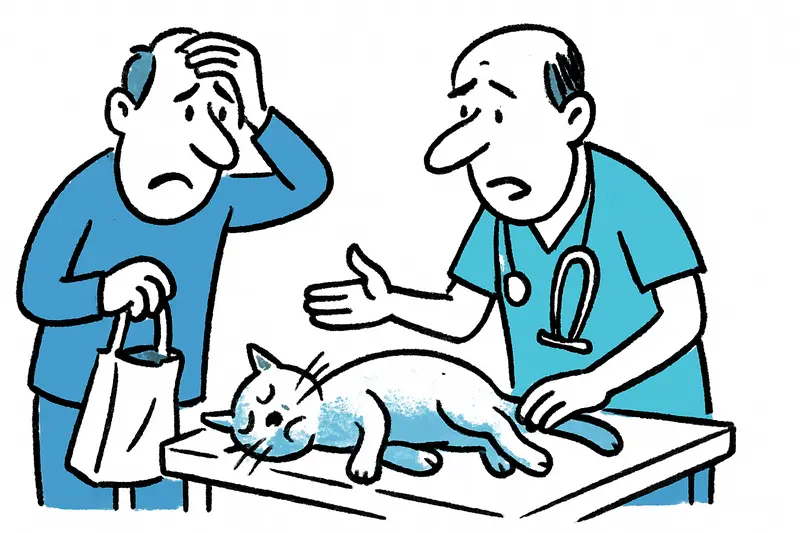
On Friday in Alcúdia a household, like many on a hot July day, fell out of rhythm. Motorbikes hummed along the Ma-100, voices from the market mixed with the noise of air conditioners; at home the cat Tyga apparently had a seizure. Her owner brought her to a veterinary clinic in Palma that same afternoon. On Sunday evening Tyga was dead. The circumstances described by the owner raise questions that concern all of us who live with veterinary practices and clinics here.
The owner's central claims can be summarized briefly: On admission the hematocrit was significantly reduced (initially around 15 percent). Over the weekend the value fell further and a transfusion was needed, but no blood was available before the procedure. According to the owner, he had to organize a blood unit himself in Manacor and bring it to the clinic. He also criticizes delays in starting an immunosuppressive therapy that was part of the treatment plan and a lack of — indeed opaque — communication from the clinic.
That is the factual picture as reported by the owner. Our question is straightforward: Were organizational gaps — or medical misjudgments — contributing factors to this tragic outcome? And: Why must owners in a region like Mallorca, where clinics are close together, search on their own for life-saving resources?
A sober analysis reveals several problem areas that can be derived from the report. First: the availability of blood products is not a marginal issue in veterinary medicine; clinics that treat inpatient emergencies need clear stock responsibilities or reliable partner networks for blood units and guidance on blood transfusions in pets. Second: decision and information pathways must be documented. If an owner states he was not contacted even though the condition deteriorated dramatically, that is a communication failure — or a documentation problem. Third: therapy prioritization. Immunosuppressive treatments for certain forms of anemia are time-critical; any delay reduces the chances of success.
What has been missing so far in public discussion: We talk a lot about the costs of veterinary care, emergency services and opening hours, but rarely about standards for handling blood products, transparent consent procedures and owners' rights to access treatment records during an inpatient stay. The question of external controls of internal clinic actions is also often left out; this is not an isolated concern, as local reporting on incidents such as Neglected Horses in Son Gual: Why Animal Suffering on Mallorca Often Remains Hidden and 27 Hunting Dogs Dead in Palma: How Could It Have Come to This? shows.
An everyday scene for context: One afternoon on the Passeig Mallorca, the sun pressing down, tourists seeking shade, an older man with a shopping bag stops in front of a shop window and strokes a passing cat — many pet owners feel secure because the next clinic is “just in Palma.” That assumption can be misleading if procedures in practices are not properly regulated, and incidents like the attack in Sa Pobla underline fragmented responsibility, as reported in Sa Pobla: Escaped Shepherd Dogs Kill Several Cats — Who Takes Responsibility?.
Concrete solutions that could be implemented on Mallorca in the short term: the creation of a regional blood pool for small animals with clear responsibility for storage and transport; a mandatory checklist for emergency admissions that records timestamps for diagnosis, owner notification and start of planned therapies; a binding emergency agreement between clinics for the rapid procurement of blood units; team training on communication in crisis situations; and a clear, easily accessible complaint and review mechanism via the competent veterinary chamber or municipal authority so that allegations can be systematically investigated.
For owners this means: insist on written confirmation of important decisions, note the times of calls and treatment starts, ask about the location and availability of life-saving resources. For clinics it means: keep visible protocols, designate contact persons, secure supplies and supply chains.
In conclusion: Tyga is not only a sad isolated case but a signal. If an owner's initiative to procure a blood unit becomes necessary, something is fundamentally wrong. Transparency, stock management and binding action chains would not only save individual animal lives, they would also strengthen trust in care on Mallorca. The island has enough clinics, but apparently not yet uniform, verifiable standards for such life-saving emergencies. This is a gap that those responsible should take seriously now.
Frequently asked questions
What is the best time to visit Mallorca for warm weather and outdoor activities?
Can I swim in Mallorca year-round, and where are the safest beaches for swimming?
What should I pack for a Mallorca trip?
How easy is it to get around Mallorca without a car?
What are family-friendly beaches in Mallorca?
What language basics should I know when visiting Mallorca?
What activities are popular on Mallorca beyond the beaches?
How should I plan a day trip around Mallorca to see different parts of the island?
Similar News

Rental Car Theft in El Arenal: What This Incident Reveals About Our Gaps
A teenager steals a running rental car in El Arenal, flees on foot, climbs over walls and is caught by the Guardia Civil...

Red Rope in Palma's Library: What Helps Against Selfie Tourism — and What's Missing
Palma's city library cordoned off an area with a red rope to keep selfie tourism away from reading and working activitie...

Fort San Carlos: Museum, Harbor Dispute — and a Conflict That Demands Answers
The military museum at Fort San Carlos sits right on Palma's harbor, with unexpectedly quiet rooms filled with cannons a...

Old Town Under Pressure: When a Doorway Becomes a Sleeping and Shower Place
For months a woman has been living with a parasol, a clothes rack and personal belongings next to the social welfare off...

When Shopping Weighs Heavier: Mallorca Demands a Tax Pause on Food and Fuel
Rising prices are putting pressure on households and agriculture. The Balearic Islands are calling for temporary tax rel...
More to explore
Discover more interesting content

Can Cap de Bou

Townhouse Lleo 72
