

Who is to blame for Mallorca's space problems: the tourists or the system?
Who is to blame for Mallorca's space problems: the tourists or the system?
The debate is heated: tourists as scapegoats? Numbers on vacation rentals, hotel beds and population growth paint a complex picture. A reality check with on-the-ground impressions from Palma and concrete proposals.
Who is to blame for Mallorca's space problems: the tourists or the system?
Guiding question: Can tourists be made scapegoats for housing shortages and broken infrastructure?
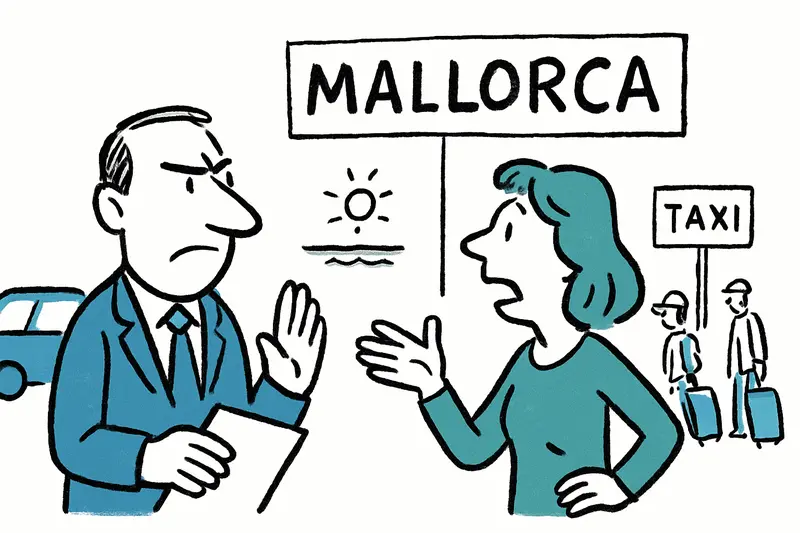
The question being discussed these weeks in marketplaces and street cafés in Palma is both harsh and simple: who bears responsibility when apartments are scarce, buses are overcrowded and the promenade seems louder than it used to be? Some guests feel accused; other residents are looking for a clear name for the problems. If you want to, it's easy to find someone to blame. If you want to be honest, you need to look more closely.
A look at the numbers helps, but it does not replace a political assessment. Tourism remains a central economic sector for the Balearic Islands: several tens of percent of GDP depend directly on it, plus more than two hundred thousand jobs. At the same time, visitor numbers have risen significantly over the last two decades, the population has grown, and classic hotel infrastructure has only expanded minimally. In that gap private vacation rentals have grown massively: officially registered sleeping places are in the five-figure range, and there are additional unregistered offers.
This development produces tangible consequences. In neighborhoods that used to be home to families, apartments now stand empty because landlords rely on short-term returns from tourists. Young people and small households with limited incomes search longer for rental housing. Traffic and waste management suffer from peak loads at times. All of this is real and being discussed on the streets of Palma: in the mornings on Passeig Mallorca, when delivery vans park and pedestrians dodge between coffee cups and scooter riders; in the evenings in the old town, when the smell of fried fish hangs in the air and tables reach up to the building facades.
But blaming tourists across the board is too simplistic. Many problems have causes rooted in spatial planning, tax laws, the lack of affordable housing and years of hesitant infrastructure policy. The island's demographic growth also plays a role. In short: there are several levers that need to be adjusted.
What is often missing in the public debate are hard facts about distribution effects and an honest naming of those responsible: who grants permissions to convert apartments into holiday units? Where are controls lacking? How are tourism revenues used? And: what role do speculation and foreign capital inflows play in the purchase of vacant properties?
An everyday scene says more than many numbers: at the Mercado del Olivar I see women farmers setting up their stalls in the morning, suppliers honking from delivery vans, and young people searching for affordable housing. A few streets away an apartment door is locked with a tourist key code. This collision of everyday life and a business model plays out in many corners of the island.
Concrete approaches to solutions can be listed without offering easy answers: first, a urgently needed data platform that makes vacation rentals, hotel capacities and vacancy rates transparent; second, the introduction of targeted, ear-marked levies on short-term rentals, with revenues channelled directly into affordable housing and transport; third, mandatory quotas for long-term rental offers in larger property sales; fourth, stricter controls and sanctions against unregistered rentals; fifth, better coordination between municipalities, the island government and the sector, instead of isolated, one-off bans.
There are also urban planning measures: densification at locations near transport links, preservation of social housing projects in central areas and investment in public transport so that not every commute requires a car. Equally important are tax incentives for owners who rent long-term instead of chasing short-term returns.
Those who now call simply for limiting the number of visitors propose a solution with large effects, but it addresses only part of the problem. Those who demand blanket punitive measures against tourism overlook that many jobs and incomes depend on it. The goal should be to distribute burdens fairly and use revenues to address the consequences.
My conclusion in one sentence: yes, private vacation rentals have shifted the island's balance, but they are not the only cause — and they cannot be fixed with bans alone. What is needed is transparency, targeted rules, enforcement and investments that make life on Mallorca compatible for residents and visitors. Those who hand out quick accusations now miss the possibilities we still have with smart governance.
In the end there remains a simple demand to politics and administration: listen to the people in the streets, look at the data and design rules that are practicable. Then the island could make room again — for children's bikes, delivery vans, market stalls and yes, also for holidaymakers who behave respectfully.
Frequently asked questions
What factors are causing Mallorca’s housing and transport pressures?
Could a data platform tracking vacation rentals help Mallorca fix its housing squeeze?
Should Mallorca introduce levies on short-term rentals to fund housing and transport?
Would mandatory quotas for long-term rentals in Mallorca property sales help residents?
What impact do unregistered vacation rentals have on Mallorca’s housing market, and how could enforcement help?
How can better coordination between Palma’s municipalities and the island government help Mallorca's space issues?
What urban planning steps could Mallorca take to balance residents and visitors?
Can Mallorca limit visitor numbers without harming its economy?
Similar News

Nighttime Threat at Playa de Palma: Minor Arrested with a Club
In the early hours, a youth at Playa de Palma allegedly threatened passers-by with a heavy club and smashed a car windsh...
Missing Housing on Mallorca: 17,000 Units Nobody Can Just Conjure Up
The island faces a structural imbalance: population is growing much faster than housing. Why 17,000 housing units are mi...
Rental Car Quotas in Majorca: One-Year Postponement or Chaos?
The association of car rental companies is calling to delay the planned restrictions by one year. The debate centers on ...

It's Getting Rough: What the Crime Statistics for Mallorca Really Say
The official half-year figures report significantly more offences on Mallorca. Numbers, locations and types of offences ...

When the Goats Arrive: Estate in Es Capdellà Does Not Do Enough to Defend Itself
A German owner in Es Capdellà reports that up to 44 wild goats regularly visit his 30,000 m² property, drink from the po...
More to explore
Discover more interesting content

Can Cap de Bou

Townhouse Lleo 72
