
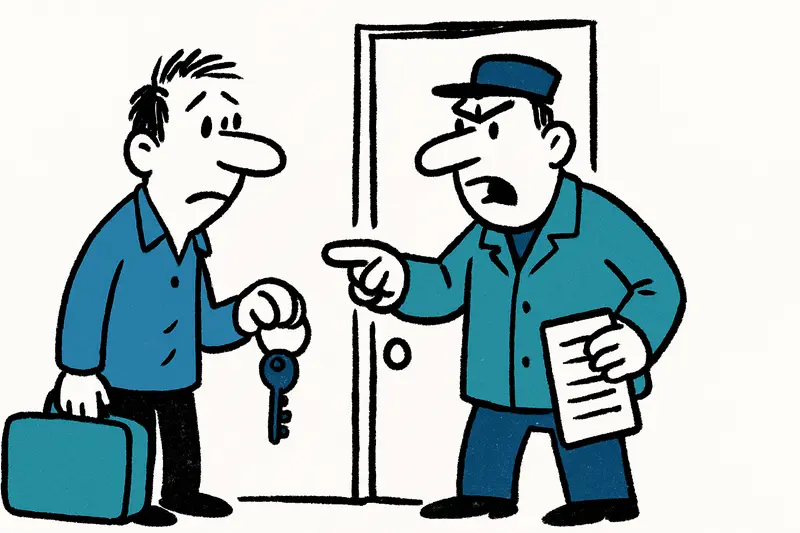
Palma targets holiday rentals: fines, Llevant and the big question about housing
Palma has imposed fines of over €300,000 on operators in Llevant. But are inspections alone enough to push persistent tourism out of residential neighborhoods? A look at causes, blind spots and practical solutions.
Palma targets holiday rentals: fines, Llevant and the big question about housing
Main question: Are fines enough to secure housing for locals?
At the end of a rainy week in Llevant there was still the smell of wet asphalt over the Plaça; children played under an umbrella, and it was surprisingly quiet — no constant ringing of doorbells, no suitcases being dragged along the pavement. But the calm is new: Palma has imposed fines totaling more than €300,000 after several apartments in one building were apparently rented to guests without valid permits. This action was reported in Palma takes action: Over €300,000 in fines for illegal holiday rentals in Llevant. The visible question is simple and urgent: Do penalties work, or are they just a drop in the ocean?
What inspections reveal — and what they hide
Officials found several listings on booking platforms and opened proceedings, a process shaped by rules such as the Digital Services Act. Result: many apartments temporarily stopped their offers. Visible success? Yes. Sustainable? Doubtful. Inspections expose acute violations; they are the tool with which the administration reacts. What they do not automatically provide are strategies against the deeper drivers: economic incentives for owners, a lack of social housing policy, and the market power of short-term rentals that can turn whole apartment buildings into mini-hotels.
The neighborhood speaks
On site the complaints sound familiar: nighttime noise, rubbish in stairwells, constant key handovers. A resident on the Plaça describes: "It was like a mini-hotel in our building — different people every week." Such observations apparently caught the authorities' attention. And yet the problem is not only acoustic: it is about the tangible absence of neighbors, about empty doors, a weakened sense of community and, ultimately, rising rents when housing is diverted into the tourist market.
What is often overlooked
Certain aspects remain underexposed in the public debate. First: the role of platforms. They are marketplaces, but also levers: will they continue to block listings with clear violations? Second: the legal gray areas. Many owners are uncertain — instead of strict prohibitions there is a need for clear, easily accessible information and a fast permit process. Third: the economic logic. For many owners, short-term rentals are simply more financially attractive than long-term contracts. Without economic incentives for the opposite, tourist demand will remain a powerful magnet.
Concrete approaches that could achieve more
Fines are necessary, but not a cure-all. Some practical proposals:
1. Platform cooperation — agreements with rental portals so that listings without a valid registration number are automatically removed or blocked. A technical verification process could filter listings before publication. This approach follows the recent enforcement in Palma Follows Through: Fines Over €300,000 Hit Building in Levante.
2. Faster, clearer approval process — instead of bureaucratic hurdles, a digital one-stop service that allows owners to obtain legal certainty quickly or to find alternatives for long-term renting.
3. Economic incentives — tax relief or subsidies for converting properties into permanent housing, as well as penalty taxes in cases of obvious misuse.
4. Neighborhood complaint and mediation centers — faster support for residents who want to settle disputes without court proceedings; night patrols or local mediators could reduce acute burdens.
5. Combine transparency and sanctions — fines must be proportionate but also effective; repeat offenders should face higher fines and, where appropriate, operating bans.
A short walk, big significance
My walk that rainy morning led me past fewer suitcases and instead by a colorful group of children whose voices filled the square. It is precisely these everyday details — shopping together, a chat on the bench, the neighbor who accepts a parcel — that are threatened by unchecked short-term rentals. Rules are not just paragraphs; they are the framework that shapes living together here.
Conclusion: Enforcement is necessary, strategy is decisive
The fines in Llevant send a signal: Palma wants to act. Details can be found in Palma targets holiday rentals: fines, Llevant and the big question about housing. But the real challenge is structural. If the city does not simultaneously work on economic incentives, digital administration, cooperation with platforms and low-threshold support for residents, the cycle of renting, enforcement, temporary decline and new spikes in listings will continue. More than penalties are needed — a clear, coordinated strategy that protects housing and strengthens life in the neighborhoods.
Frequently asked questions
Are fines enough to stop illegal holiday rentals in Palma?
Why is Palma cracking down on holiday rentals now?
What problems do illegal holiday rentals cause for residents in Palma?
Do holiday rental inspections in Mallorca actually work?
What is happening with illegal holiday rentals in Palma's Llevant area?
How can Palma reduce illegal holiday rentals without hurting residents who rent legally?
What should I pack for Mallorca if I am visiting in rainy weather?
Is Mallorca still worth exploring when the weather is wet and quiet?
Similar News

The End of the Cheap Ride? Why Mallorca Is Hit Harder by the Fuel-Price Shock
Gasoline and diesel average close to two euros per liter. What this means for commuters, supply chains and renters in Ma...
Relaxed liquid rules in Munich: What Mallorca travelers will notice
At Munich Airport the 100-milliliter rule will be lifted at all checkpoint lanes — thanks to new CT scanners passengers ...

For 45 Years on Mallorca — and Then This: How a Market Visit in Santa Ponsa Became a Lesson
A woman who has lived on the island for decades lost money and important documents at the Mercat Setmanal in Santa Ponsa...
10 percent surcharge on the beach: How legal and transparent is the extra charge at Playa de Muro?
A German part-time resident noticed days after a restaurant visit in Playa de Muro that the bill included a flat ten per...

Body near the Llevant Market: What this death says about our city
A man was found dead on Sunday afternoon near the Llevant Market. Police say the death appears natural. The scene raises...
More to explore
Discover more interesting content

Can Cap de Bou

Townhouse Lleo 72
