

Who owns the island? When foreigners fill the gaps and locals leave
Who owns the island? When foreigners fill the gaps and locals leave
The Balearics are growing – but differently than before: immigration is increasing the numbers while native-born residents shrink in many places. Who pays the price for this change?
Who owns the island? When foreigners fill the gaps and locals leave
Key question: Who benefits from the population growth – and who is left behind when the number of people born in Spain declines in many municipalities and people from Colombia, Morocco, Italy and Germany move in?
Early in the morning on the Passeig Mallorca: delivery vans honk, voices mix with the cries of seagulls. At the market a young woman pushes a pram through the stalls. Her neighbor, in her forties, says that in the family house two apartments are now rented to people from abroad; the family that used to live there has moved to a suburb. Scenes like this are repeating these days – not only in Palma, but in places like Alcúdia, Calvià, Binissalem or Capdepera.
The bare numbers from last year say: the Balearics have more inhabitants overall – because people are coming from abroad. Almost every second property in the Balearic Islands in foreign hands – what does this mean for Mallorca?
At the same time, the number of those born here has barely increased; in some municipalities it has even fallen. Palma has calculated that thousands of newcomers compensate for declines in the population born in Spain. In Calvià and other municipalities the group of Spain-born residents is shrinking, while the share of foreign residents in many places is approaching 30 percent – in places like Calvià even close to 40 percent.
That is not explained by immigration alone. Several drivers are at work: low birth rates (fewer newborns nationwide), an aging population, high living costs and tense housing markets. Young families often move away if they cannot find affordable housing or if there is no work – the seasonal economy helps but rarely creates reliable prospects for families with children. When Rent Decides: How Villages Lose Their Families
What has so far been underrepresented in the public debate is the everyday impact of this shift: schools, basic services, neighborhoods. In some villages shopping patterns change; small shops close because new residents have different needs and different shopping days. Other places experience daily life in multiple languages, which in itself is enriching, but it presents practical problems for local administrations – from language support in schools to culturally sensitive healthcare.
Also often overlooked is the question of second homes and short-term rentals: apartments that used to go to young locals become more expensive or are blocked as holiday rentals. They may also be subject to Illegal Subletting in Mallorca: When Long-Term Tenants Become 'Inquilinos Pirata'. When Houses Are Suddenly Rented Away: How Foreign Tenants Are Changing Neighborhoods
Critical analysis: Who wins, who loses?
Regional statistics have benefited: more inhabitants, more diversity. Many of the families who are now leaving and the small villages that depend on demographic balance have lost out. Public revenues do not automatically rise where new residents do not pay permanent taxes or where short-term rentals dominate. And: new residents create additional pressure on schools, buses and doctors' offices – especially in the summer months, when the island already reaches its limits.
Another problem is the parallel labor markets: where immigrants take jobs in sectors such as construction, agriculture and hospitality, informal structures with lower wages and poorer social protection often arise. This puts local trades under pressure and creates social tension if integration fails.
What is missing from the public discourse?
Too often immigration is treated as mere demographic arithmetic. But this concerns housing, labor rights, school places, language support and local democracy. There is no plan for how to create non-profit housing, how to regulate short-term rentals, how to retain young families and how to stabilize municipal finances – especially where the Spain-born population is shrinking.
Concrete proposals for municipalities and the regional government
- Activate housing construction: promote municipal housing projects and cooperatives, designate municipal building land at moderate prices.
- Control short-term rentals: strict registration requirements, local occupancy quotas and tougher penalties for misuse.
- Support families: subsidies for young families, longer daycare hours, discounted bus passes and targeted job support outside the tourist season.
- Think integration practically: free language courses, more school social work, healthcare navigators in municipalities with high shares of newcomers.
- Stabilize the economy: support year-round industries, incentives for companies to create permanent jobs in rural municipalities.
Such measures cost money. Therefore the distribution of regional funds must be reoriented: municipalities with declining native populations need targeted support, not just flashy statistics about population growth.
Conclusion
The island is visibly changing: different voices at the market, new signs on the streets, children who speak several languages. That is neither inherently good nor bad. It becomes problematic when decisions – about housing, schools, work – ignore reality. Those who want to protect Mallorca in the long term must act now: secure housing, stabilize employment and organize integration concretely. Otherwise, in the end there will be empty villages and full holiday apartments – and the question of who actually owns the island will remain.
Frequently asked questions
What is the weather usually like in Mallorca in early May?
Can you swim in Mallorca in early May?
Is May a good time to visit Mallorca?
What should I pack for Mallorca in early May?
Is Palma de Mallorca warm in early May?
Is early May a good time to visit the Serra de Tramuntana in Mallorca?
Are Mallorca beaches busy in early May?
What kind of activities work well in Mallorca in early May?
Similar News

More water than last year: Mallorca's reservoirs breathe easier
September rain refilled the Tramuntana's reserves: overall fill around 35 percent, Cúber at 40.42 percent, Gorg Blau at ...
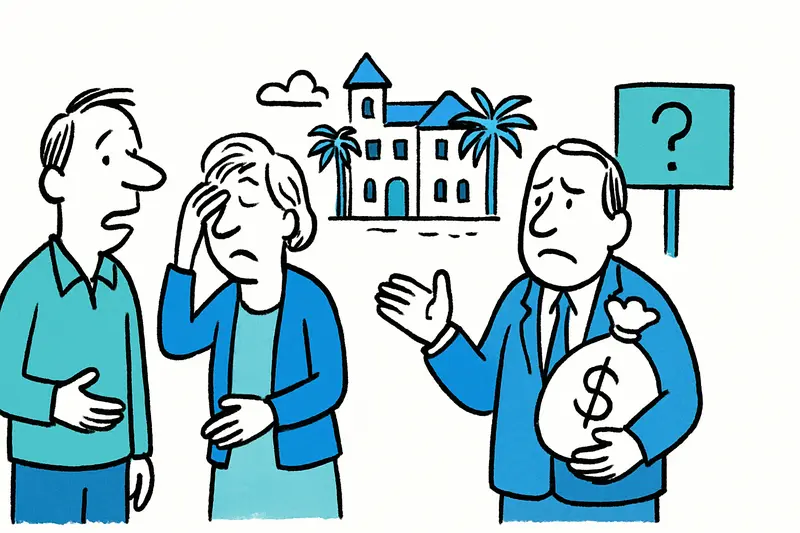
Three Luxury Hotels in Banyalbufar: Lots of Money, Many Questions
A Danish investor plans three exclusive accommodations in Banyalbufar — including the historic Son Valentí. The announce...
2.1 tonnes of cocaine on sailing yacht off Spain's coast – a reality check for the coastguard
A 14-metre yacht was seized with 2.1 tonnes of cocaine. Who monitors the ports, how does the international hunt succeed ...

Heat Bonus in Mallorca: 100 Euros Extra for Outdoor Staff at MarSenses
MarSenses pays employees who worked outdoors in August an extra €100 as recognition. Lighter uniforms, reduced hours for...

Renovating in Mallorca: What You Really Can Do Without Neighbour Consent
Many think they can do whatever they want in their apartment. That's partly true — but only as long as structural elemen...
More to explore
Discover more interesting content

Can Cap de Bou

Townhouse Lleo 72
