
Who pays the bill? When tourists ride buses for free with resident cards
Who pays the bill? When tourists ride buses for free with resident cards
Allegation: holiday guests appear to be using non-transferable chip cards intended for island residents, leaving bus drivers powerless. How big is the problem and what can be done?
Who pays the bill? When tourists ride buses for free with resident cards
Checks, technology and the role of landlords – a reality check
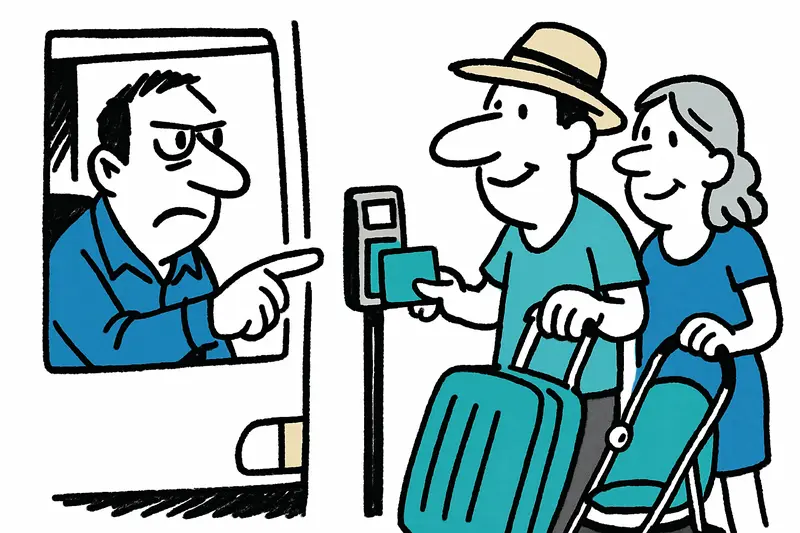
At Plaça d'Espanya traffic hums, the loudspeakers on the buses whisper the stops, and at the stop on the Paseo Marítimo you can see them: groups of tourists with suitcases, families with strollers, and occasionally someone who pulls a plastic card from their wallet and swipes it conspicuously too discreetly over the reader. What drivers and trade unionists have reported for months has now been picked up by politicians, a development covered in Free buses in Palma: Who pays when the coffers close?.
Key question: How can one prevent a regulation that benefits locals from being undermined and becoming a loss for the public through circumvention?
The facts are limited but robust: the public transport network TIB issues a non-transferable chip card for residents. Reports from drivers and the SATI union suggest unauthorized use is noticeably common on some routes — connections to Sóller, Peguera, Magaluf, Pollença and Campos have been mentioned. Drivers notice photos on cards being covered or users carrying multiple cards. Legally, drivers may not retain cards or force identity checks; inspections require police involvement.
Critical analysis: There are three weaknesses that together create a systemic risk. First: the technical solution — a plastic card with a photo only protects if the photo is actually checked. If it is covered, the protection is ineffective. Second: enforceability — drivers are not an enforcement body and cannot be drawn into conflicts. Third: the landlords' motive — with tight margins and demand, passing on a card may be tempting for a rental family, and a week of free transport is an attractive extra compared with competitors.
What has so far been insufficiently discussed in the public debate: sanctions and incentives along the rental chain remain unaddressed. It's not just about individual cases on the bus, but about how public service is protected from abuse without criminalizing regular guests or commuters. Also rarely discussed is the balance between data protection and identity checks: how do you reliably check without displaying sensitive data?
A familiar everyday scene: the driver of the Sóller line closes the door, the sea light flashes on the dashboard, a German family boards. Noticeable: a plastic card is half-hidden, the mother smiles, the driver looks away — not out of indifference, but because he knows legally he can do little more than note and report.
Concrete solutions that could be implemented politically:
1) Technical improvements: Move to digital validation with photo matching at the machine (a glance at the camera instead of a visible photo) or issue time-limited QR codes for visitors requested via registered landlords. The card should no longer be accepted without checking the photo.
2) Legal framework for landlords: Clear rules and fines for passing resident cards to third parties as well as reporting obligations for landlords. In parallel, awareness campaigns in eight languages for guests and hosts.
3) Enhanced, risk-based checks: The inspections already started (April–December: about 45 operations) still seem too sporadic given roughly 29 million annual journeys. The scale of that demand relates to funding questions detailed in Free Public Transport in Mallorca 2026: Relief — Will the Money Be Enough?. More mobile teams at peak times, coordinated with local police units, would be necessary.
4) Decoupling entitlement from the physical card: Link resident status more closely to official identification numbers, not to an easily shareable plastic card. This echoes concerns raised in Targeta única: One card — many questions. What commuters and tourists need to know now.
Conclusion: It's not only about lost money, but about trust in the system. When public services are undermined, solidarity between locals and visitors is strained. Solutions must integrate technical, legal and practical measures — and they should relieve bus drivers rather than place new control duties on their shoulders. When Palma is calm and the lines run on time again, everyone benefits: the residents, the drivers and an island that wants to preserve its social balance.
Frequently asked questions
Can tourists use a Mallorca resident transport card on TIB buses?
How are resident bus cards checked on Mallorca buses?
Why is resident bus card misuse a problem in Mallorca?
What are the best ways to stop tourists from using Mallorca resident cards?
Can bus drivers in Mallorca take away a suspicious resident card?
Which Mallorca bus routes have seen resident card misuse reported?
Are Mallorca holiday rental owners involved in resident bus card misuse?
How could Mallorca protect resident transport benefits without treating tourists unfairly?
Similar News

More water than last year: Mallorca's reservoirs breathe easier
September rain refilled the Tramuntana's reserves: overall fill around 35 percent, Cúber at 40.42 percent, Gorg Blau at ...
Three Luxury Hotels in Banyalbufar: Lots of Money, Many Questions
A Danish investor plans three exclusive accommodations in Banyalbufar — including the historic Son Valentí. The announce...
2.1 tonnes of cocaine on sailing yacht off Spain's coast – a reality check for the coastguard
A 14-metre yacht was seized with 2.1 tonnes of cocaine. Who monitors the ports, how does the international hunt succeed ...

Heat Bonus in Mallorca: 100 Euros Extra for Outdoor Staff at MarSenses
MarSenses pays employees who worked outdoors in August an extra €100 as recognition. Lighter uniforms, reduced hours for...
Renovating in Mallorca: What You Really Can Do Without Neighbour Consent
Many think they can do whatever they want in their apartment. That's partly true — but only as long as structural elemen...
More to explore
Discover more interesting content

Can Cap de Bou

Townhouse Lleo 72
