
Why Bodyshaming at the Cove Doesn't Stop: Georgina Rodríguez, Paparazzi and Island Everyday Life
Vacation photos of a celebrity family in Mallorcan coves reignited debates about body image. An analysis: who profits from the shaming — and what could be done differently on the island?
Why Bodyshaming at the Cove Doesn't Stop: Georgina Rodríguez, Paparazzi and Island Everyday Life
A brief reality check after the yacht photos off Port Adriano
Guiding question: Why do private appearances by women on holiday become a collective quality check of their bodies, and who pays the price for that — emotionally and socially?
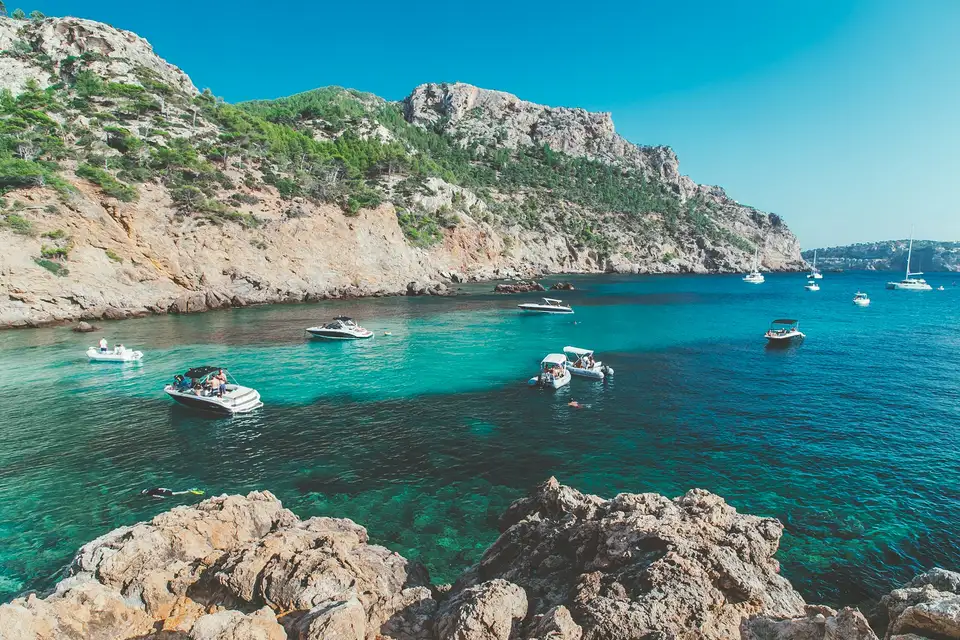
The facts are quickly told: A prominent family spends their vacation in Mallorca, divides time between a luxury yacht and a villa, stopping in coves around the island, as reported in When Glamour Anchors: Kylie Jenner, Influencer Events and Mallorca's Balancing Act. Paparazzi shoot unflattering photos that become a topic in tabloid circles — a dynamic visible also in Heat, Hate and Facebook: The Dispute over a Sun Lounger in Canyamel. The person affected responds publicly, jokingly calling herself a “happy chubby,” defends her body as an expression of a lively life and emphasizes that she wants to teach her children values according to which appearance does not determine the person. Many have heard this tune before — yet the questions remain.
It is August in Palma, 34ºC on the thermometer, the air is still, seagulls circle above the Paseo Marítimo. On the breakwater of Port Adriano a man polishes his open boat, ice clinks in a chiringuito, retirees watch the passing superyachts and whisper. It is exactly there that the incident takes place: between the scent of the sea and sunscreen, an obviously private moment has been exposed to public judgement.
Critical analysis: Four levels should be separated. First: the economic logic. Paparazzi and tabloids live off clicks and headlines. Images that show an alleged “human flaw” sell better than harmless holiday photos. Second: the mechanics of the platforms. Social media algorithms multiply outrage and reinforce narratives — feelings gain reach without regard for consequences. Third: the gender-political dimension. Women are measured against body norms more often and more harshly; motherhood, success and body shape form an especially tight noose of societal expectations. Fourth: the psychological dimension. For people who are publicly visible for work, every public remark becomes a potential threat to income and identity.
What is missing in public discourse: Rarely do we talk about how normal bodily changes are — and how little these changes say about a person’s worth or ability. Even less often is the perspective of the children in such situations considered: How do you explain to a six-year-old that his mother has become a topic in the park? And almost never do we talk about local responsibility: What do harbors, organizations or event organizers do when photography clearly invades privacy?
Mallorca is more than a backdrop. There are practical approaches here: harbors like Port Adriano and marinas can set rules for photographers. An area on land or on deck could be designated as a “private zone” where commercial photography without consent is prohibited. Binding codes of conduct for agencies, coordinated with local authorities, are also conceivable. This ties into broader debates about tourism and overcrowding discussed in Reality Check: Why Mallorca Can Hardly Escape Massification.
Concrete solutions that could work on the island: First, clear regulations at berths and in marinas, supported by enforcement. Second, awareness campaigns in the tourism sector: hoteliers, boat rental companies and harbor staff can point out privacy and report concerns when in doubt. Third, cooperation between those affected and local counseling centers so that public figures receive help dealing with shaming — legally, psychologically and communicatively. Fourth, platform responsibility: operators of social networks must review reports of harmful content faster and consider context.
Everyday scene: On a hot afternoon I see the fisherwomen of Portopí leaning over the newspaper kiosks on the Passeig, where celebrity headlines sit next to the weather report. A boy squirts with a water pistol, passersby wave to a passing yacht. The island’s cuisine keeps working, but the discussion remains sticky like saltwater on the skin.
One final practical thought: media literacy education in schools would help. Children and young people should learn how images are constructed, how algorithms amplify outrage, and how hate speech and bodyshaming can affect people from a young age.
Conclusion: It is easy to criticize a body when it is publicly visible. But easy is not the same as fair. Mallorca can be a place that sets an example — creating protective spaces, introducing local rules, holding platforms accountable and showing everyone — not just celebrities — that respect is more important than sensationalism. And yes: whoever sits on the beach, sun at their back and the sound of the sea in their ears, should know that a photo does not automatically tell the whole truth.
Frequently asked questions
When is the best time of year to visit Mallorca for outdoor fun?
What should I pack for a trip to Mallorca?
Is the water safe for swimming in Mallorca and which beaches are calm?
What are good ways to get around Mallorca without renting a car?
What outdoor activities should I consider in Mallorca?
How does Mallorca's weather change through the year and what should I wear?
Are there family-friendly activities in Mallorca?
What cultural experiences can I have in Mallorca beyond the beach?
Similar News

Almost 70 Euros for Just Under Three Hours of Parking: The Trap at Son Sant Joan
A short work errand at the airport ended with a surprisingly high parking bill. Why the two-hour tariff limit raises so ...
Goodbye Megayachts: Why Palma's Port Is Now Focusing on Small Luxury Liners
Four smaller luxury liners berthed in Palma at the same time recently — around 1,600 passengers on board, plus about 2,0...
Fear in the Sa Teulera Forest: Youth Groups Harass Cruising Zone in Palma
In the wooded area of Sa Teulera, those affected report verbal attacks, property damage and intimidation. How safe is th...
Axa opens first health center in Palma: €3 million, 650 m² and more local access for La Vileta
In the heart of La Vileta, Axa has opened its first own health center in Mallorca. On around 650 square meters and with ...
30 Years of Nit de l'Art: What Palma's Art Night Really Shows — and Conceals
Nit de l'Art celebrated its thirtieth anniversary: full galleries, young visitors — and the quiet tensions between the a...
More to explore
Discover more interesting content

Can Cap de Bou

Townhouse Lleo 72
