
Severely injured in Port d'Alcúdia: When life explodes behind closed doors
Early morning in Port d'Alcúdia: sirens, hushed coffee conversations and a woman with serious injuries. Could this have been prevented? A look at the gaps in the island's safety net.
Severely injured in Port d'Alcúdia: When life explodes behind closed doors
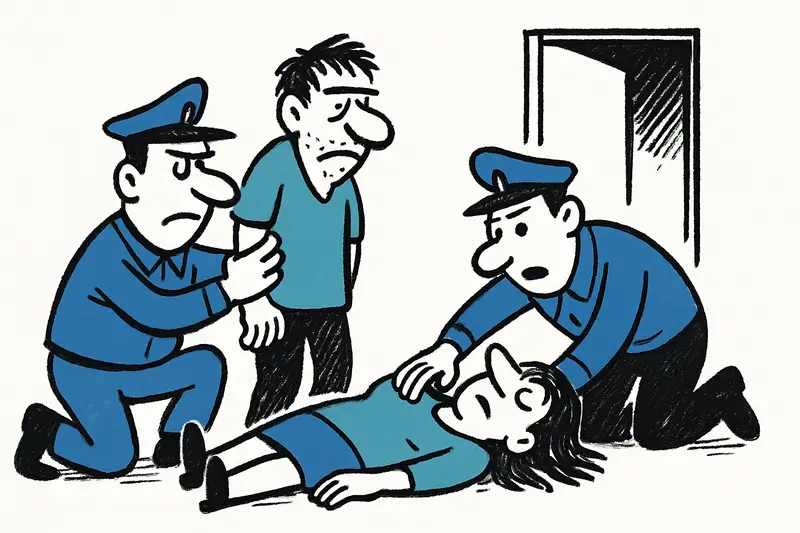
Around 7:30 a.m., sirens tore the Plaça del Moll out of the morning calm. The quiet clatter of coffee cups fell silent while the seagulls at the harbor kept crying. On the Carrer de la Mar, where fishing boats and delivery vans set the day's rhythm, neighbors found a 48-year-old woman with severe neck injuries in her apartment. Paramedics stabilized her and transported her to the hospital in Inca. A man, apparently her partner, was arrested at the scene. Initial local coverage appeared in Gravemente herida en Port d’Alcúdia: una vida en la isla que estalla tras puertas cerradas.
The central question: Could this victim have been protected?
News like this hits small communities twice as hard: the wail of sirens lingers, café conversations fall silent and people look at each other with questions. On Mallorca, tourism noise, the scraping of chairs and the intimate quiet behind shutters mix together. Often violence is not a sudden bolt from the blue, but a creeping pattern — withdrawal, intimidation, small escalations that are dismissed as private problems.
The Guardia Civil official website is investigating; the factual picture is still incomplete. No official statements on motive, neighbors offering eyewitness accounts, and a community trying to make sense of the event. Further local reporting is available at Herida profunda en el cuello en Port d’Alcúdia: silencio matinal y muchas preguntas abiertas.
Why things are harder on Mallorca
Places like Port d'Alcúdia bring particular factors into play. Seasonal population shifts change networks: in summer the neighborhood is full of faces, in winter often lonely. Language barriers between long-term residents and newcomers make it harder to spot problems. Small rental apartments, holiday lets and the feeling that conflicts should stay "among us" create an atmosphere in which cries for help go unheard.
A café owner on the square described the heavy mood: the morning began like any other until the police arrived. The narrow cobblestones, the smell of sea and fried fish — all of that can be deceptive and hide that someone is in distress behind closed doors.
Aspects that are rarely considered
First: isolation in everyday life. Newly arrived people or those with few social contacts often carry threats alone. Second: the interfaces between the police, health services and social services are not always smooth. Information remains fragmented; protection orders and counseling services reach those affected too slowly. Third: the culture of shame and privacy in small towns prevents neighbors from intervening or seeking help — out of fear of conflict, stigma or legal consequences.
Concrete opportunities and solutions
But the incident also highlights areas for action. Multilingual awareness campaigns could be visible in small shops, pharmacies and marinas. Training for café and hotel staff, receptionists and boat crews can help recognize warning signs and respond safely. A local network of Guardia Civil, health centers and counseling services with clear reporting pathways would prevent information gaps.
Practical steps: clearly visible information with phone numbers (112 emergency number information for emergencies) and anonymous counseling offers; hotlines available around the clock in multiple languages, including the 016 helpline for victims of gender-based violence (Ministerio de Igualdad); regular information evenings in community centers where doctors, psychologists, lawyers and police explain how protection orders work and how neighbors can help safely. Trauma care must be fast, confidential and accessible locally so that those affected are not left alone.
The role of the neighborhood
The neighbor who that morning "didn't want to be in the paper" is emblematic of many: people who would help but don't want to create an official record. In small places mutual attentiveness can be strengthened without becoming voyeuristic. Important is: no premature judgments, but clearly communicated pathways for help — who calls, what steps follow, what rights do those affected have?
A low-threshold approach could include neighborhood sponsorships: volunteers who regularly check in, distribute information leaflets or act as a bridge to social services. Such initiatives need support from the municipality, legal clarity and data protection so that helpers and those in need feel protected.
What matters now
Legally, investigations, evidence collection and possible charges are in the foreground. Socially, however, care for the victim, information and calm for residents, and an honest debate about how communities should respond are important. Our sympathy goes to the injured woman and her relatives.
This incident is a wake-up call: calm and holiday flair must not obscure the fact that people suffer behind closed doors. Port d'Alcúdia needs more visibility for victims, better networking of support services and concrete, multilingual access to counseling and protection. Listen instead of speculating — and create paths so that neighborhood means solidarity, not just observation.
We will follow this and report as soon as confirmed information from investigators is available. Until then: stay alert, offer help and keep the number 112 at hand.
Frequently asked questions
What is the weather like in Port d’Alcúdia in the morning during winter?
Can you swim in Mallorca in the off-season?
What should I pack for a quiet winter stay in Mallorca?
Why do incidents in small Mallorca towns affect residents so strongly?
What should neighbours do if they suspect domestic violence in Mallorca?
Where can people get help for domestic violence in Mallorca?
Is Port d’Alcúdia busy all year round?
How can community awareness help prevent violence in Mallorca?
Similar News
After Being Admitted to Hospital Again: Heinz Hoenig and the Questions We Should Ask in Mallorca
Long-time Mallorca resident Heinz Hoenig was admitted to hospital again. A clear “what next?” is missing from the covera...
Yellow Alert: Is Mallorca Prepared for the Next Rain Band?
Aemet has issued a yellow alert for the south, southwest and the island's interior. Thunderstorms and heavy rain are for...
Kegel brothers trial postponed: Why Mallorca must wait for a verdict
The trial of 13 German holidaymakers will not begin until May 2028. The long wait raises questions — for victims, defend...
Chaos on Palma's Runway: Why the Summer at the Airport Was So Disrupted
This summer laid bare where Palma airport is faltering: only just over half of departures were on time and seven percent...
Cocaine Offer on Ham Street: Why the Open Trade Should Ring Alarm Bells
In the middle of Pare Bartomeu Salvà a tourist was offered a packet of cocaine as part of a sunglasses deal. A short int...
More to explore
Discover more interesting content

Can Cap de Bou

Townhouse Lleo 72
