
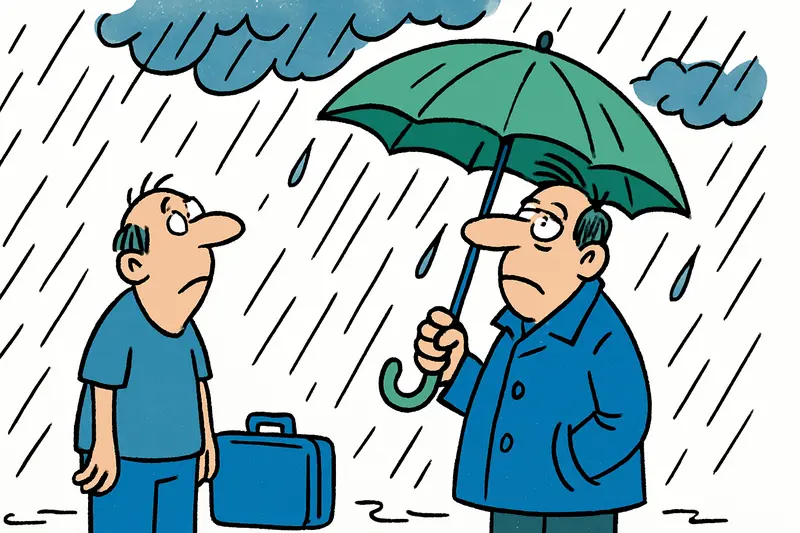
Yellow Alert on Mallorca: Rain Front Approaching – How Prepared Are the Island and Its People?
Yellow Alert on Mallorca: Rain Front Approaching – How Prepared Are the Island and Its People?
Aemet reports a rain front expected to reach the island on Monday. A yellow alert applies island-wide. What this means for everyday life, traffic and New Year's Eve — and what to do now.
Yellow alert on Mallorca: Rain front approaching – how prepared are the island and the people?
Aemet predicts rain on Monday, ending in the night to Tuesday – will New Year's Eve stay dry?
Key question: Is a yellow alert enough to protect daily life, traffic and the upcoming New Year's Eve celebrations on Mallorca?
Aemet has announced a rain front that is expected to hit Mallorca during Monday and will trigger a yellow storm warning across the island. According to forecasts, the probability of rain rises again around midday to roughly 45 percent, daytime highs will be around 15 to 16 degrees Celsius, and nights could drop to about 7 degrees. A relief is forecast for the night to Tuesday; models indicate the precipitation will then subside. For New Year’s night, the currently available forecasts do not show persistent rain – meaning public and private New Year’s plans could largely remain dry if the situation unfolds as predicted.
That sounds reassuring, but yellow is not green. Many streets and squares on Mallorca have already been soaked in recent weeks, drains and gutters have seen water that in some places drained poorly. In Palma you can observe this on the Passeig Mallorca: cars driving slower, pedestrians with umbrellas under the arcades, vendors pulling tarpaulins over their crates. Scenes like these are repeating this morning – the island smells of wet asphalt, seagulls circle more loudly over the harbor, and the curbs are dark and shiny.
Critical analysis: A yellow warning informs, but it does not automatically trigger closures or evacuations. That has pros and cons. The advantage: no overreaction, businesses and events do not have to be cancelled immediately. The disadvantage: people sometimes underestimate the risks, especially on one-way streets, underpasses and in lower-lying areas. Local issues like clogged drains, streams with little lead time and poorly secured building materials at construction sites can quickly become dangerous.
What is missing in the public discourse: clear, locally tailored guidance. An island-wide notice "yellow alert" says nothing about individual streets in the center of Palma, the promenade in Portocolom or the small coastal road near Cala Millor. There is a lack of connection between weather data and concrete action recommendations for town halls, transport operators, harbor masters and organizers – for example: which parking lots are at risk in heavy rain, which bus lines could be rerouted, and where are contact points if private celebrations need to be moved due to the weather?
Everyday scene: On the Plaça Major the last Christmas trees are stacked, a delivery worker pushes them across the wet cobblestones, shoes squeak. An older couple walking their dog shelter under a café awning and watch the grey clouds. In the marina boat owners quickly tighten the covers – small, routine actions that you will see more often now.
Concrete measures that help immediately: Municipalities should check drains at key locations in the next few hours and have mobile pumps ready if needed. Traffic authorities could temporarily install warning signs at critical points and review bus routes. Organizers of New Year’s events should have emergency plans visibly available, check tents and technical equipment, and inform visitors at the entrance about possible changes. Households would do well to secure balcony furniture and trash bins, check roofs and downpipes, and keep a flashlight within reach.
For drivers: caution instead of speed. Water on the road reduces grip and can cause glare; standing puddles can be deeper than they look. If you travel in the afternoon, be flexible with departure times to avoid the hours with the highest rain probability. Boat owners in the harbor should check moorings and covers – small marinas react quickly to sudden gusts and splashes.
What authorities should do: more transparency in communication. Short, locally focused SMS or WhatsApp warnings for municipalities highlighting flood-prone streets would be helpful. Preventive notices to care homes, schools and medical facilities can avoid unnecessary stress. And: for outdoor events clear rules on alternative locations or refunds are a realistic service to residents and visitors.
Conclusion: The yellow alert is no reason to panic, but it is a wake-up call. On Mallorca that means: look more closely at where water can accumulate and take simple measures that make a difference. If Aemet is right, the rain episode will be short-lived and give the island a chance to clean up before many people head outside to welcome the new year. If reality deviates, weaknesses will show up quickly – and then the question of whether warnings and local preparations are sufficient becomes very concrete.
Quick checklist for the next hours: follow Aemet forecasts closely, postpone trips if possible, check drains and construction sites, secure event equipment. That way Mallorca will be wet but still operational.
Frequently asked questions
Will it rain on Mallorca on Monday?
Is a yellow weather alert serious on Mallorca?
Will New Year's Eve in Mallorca stay dry?
What temperatures should I expect in Mallorca during the rain front?
What should drivers in Mallorca do when it rains heavily?
What should households in Mallorca do before a rain warning?
How is Palma affected by heavy rain?
What should event organisers in Mallorca do during a yellow rain alert?
Similar News

Rental Car Theft in El Arenal: What This Incident Reveals About Our Gaps
A teenager steals a running rental car in El Arenal, flees on foot, climbs over walls and is caught by the Guardia Civil...
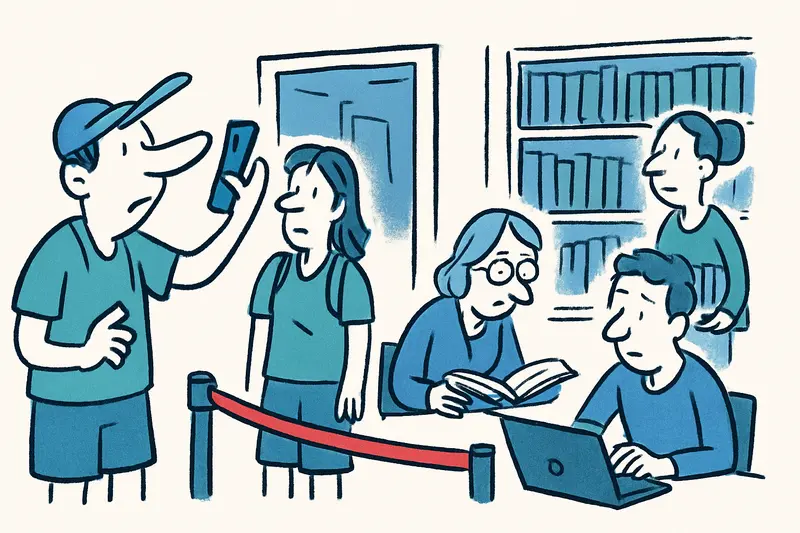
Red Rope in Palma's Library: What Helps Against Selfie Tourism — and What's Missing
Palma's city library cordoned off an area with a red rope to keep selfie tourism away from reading and working activitie...
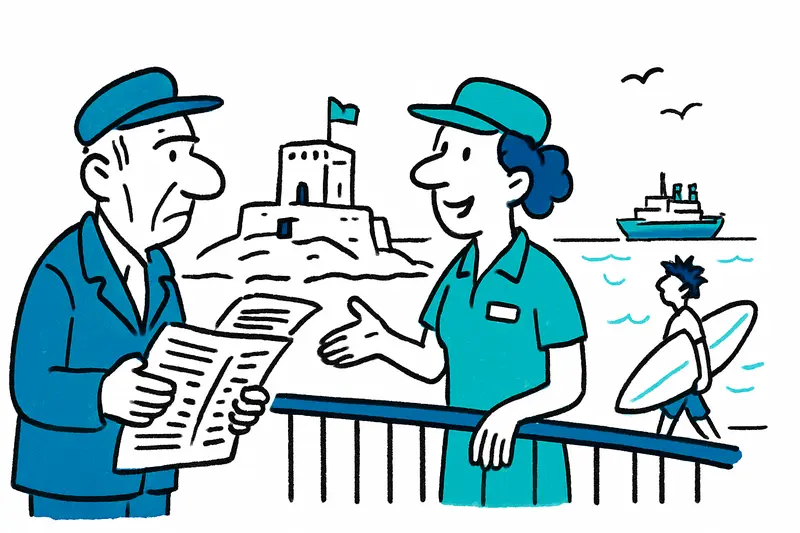
Fort San Carlos: Museum, Harbor Dispute — and a Conflict That Demands Answers
The military museum at Fort San Carlos sits right on Palma's harbor, with unexpectedly quiet rooms filled with cannons a...
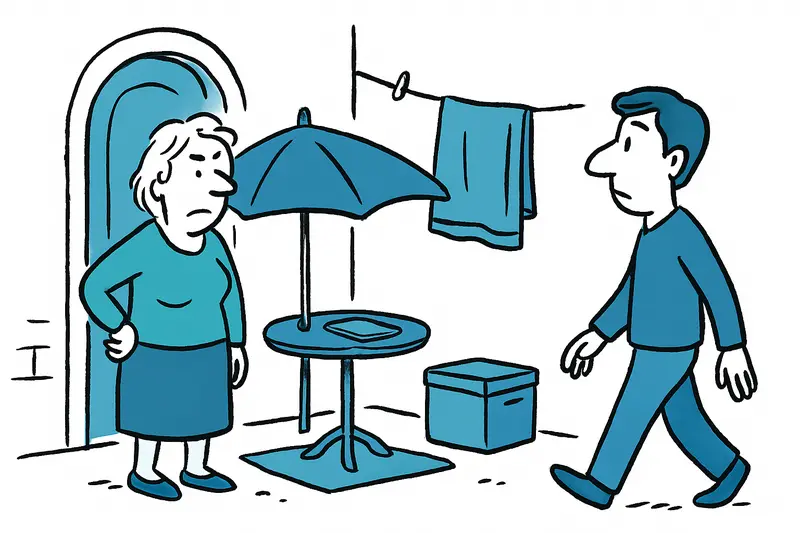
Old Town Under Pressure: When a Doorway Becomes a Sleeping and Shower Place
For months a woman has been living with a parasol, a clothes rack and personal belongings next to the social welfare off...
When Shopping Weighs Heavier: Mallorca Demands a Tax Pause on Food and Fuel
Rising prices are putting pressure on households and agriculture. The Balearic Islands are calling for temporary tax rel...
More to explore
Discover more interesting content

Can Cap de Bou

Townhouse Lleo 72
